Belgian Sheepdog vs Chesapeake Bay Retriever
Side-by-side comparison across all 14 AKC trait ratings, with a clear verdict on which breed fits which kind of household.
Not sure which breed fits your life?
Answer five questions about your home, your schedule, and your tolerance for shedding. We’ll match you to your top three breeds from over 200.
Belgian Sheepdog vs Chesapeake Bay Retriever
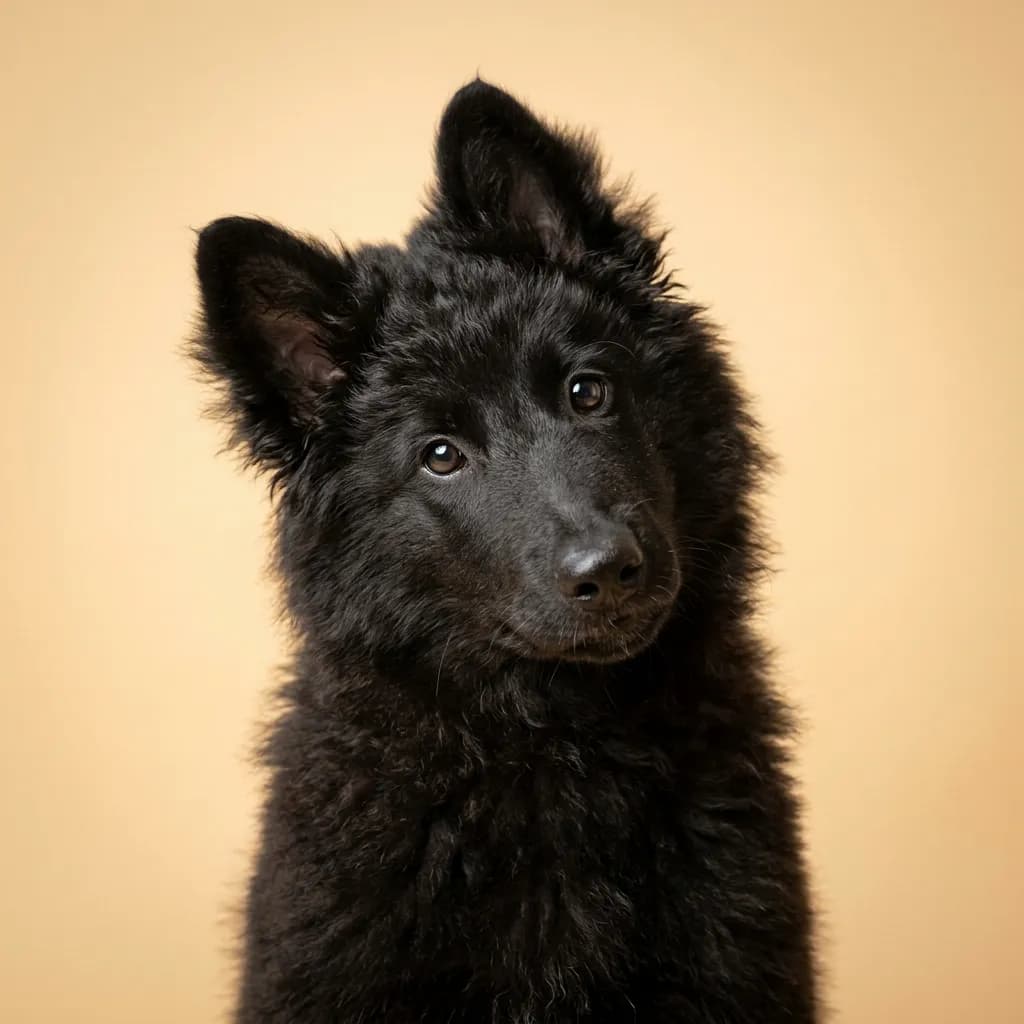
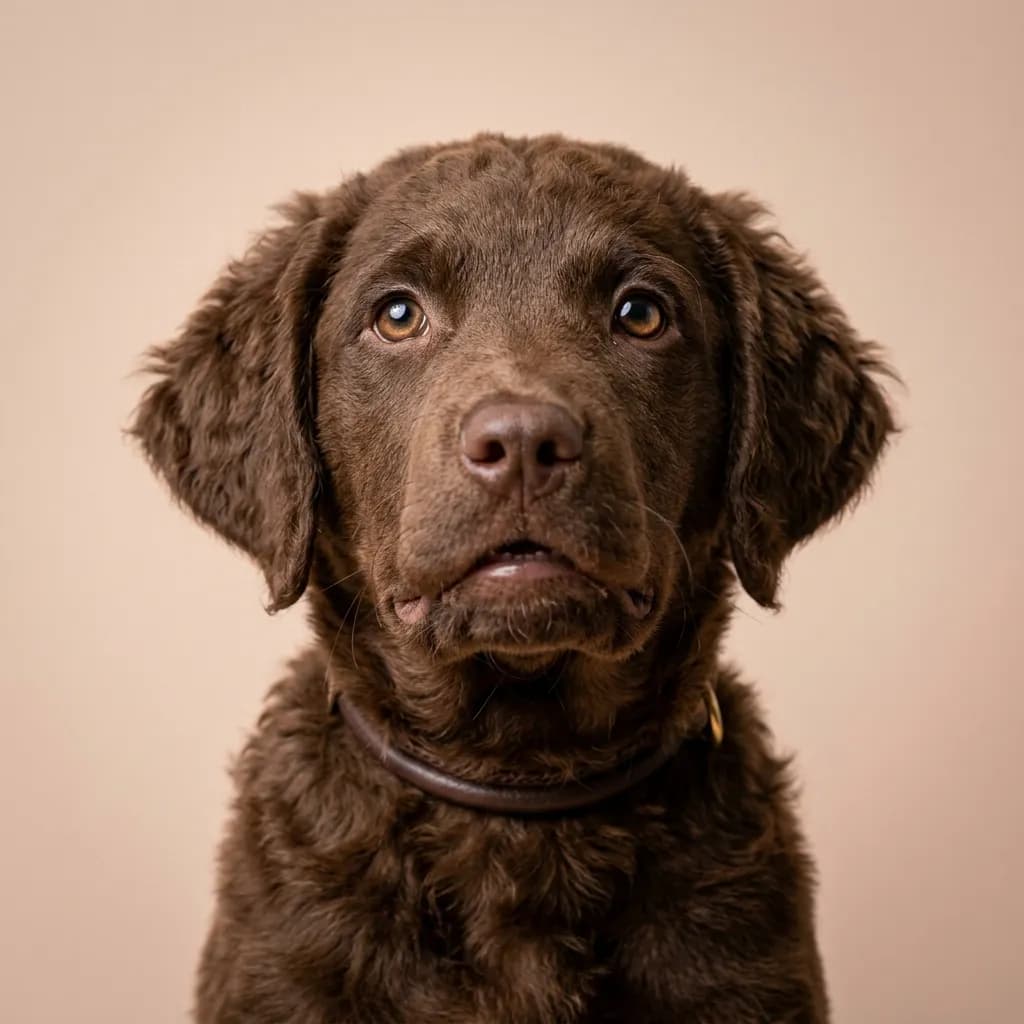
People compare Belgian Sheepdogs and Chesapeake Bay Retrievers because they’re both medium to large, energetic dogs with thick coats and serious jobs. On paper, they look similar. high energy, smart, not for couch potatoes. But their hearts beat to different rhythms. The Belgian Sheepdog is a thinker, bred to move sheep with precision and alertness. They’re intense, focused, and thrive on structure. You’ll need time for training, mental puzzles, and daily movement. They’re not overly cuddly, and they don’t adapt well to small spaces or inconsistent routines. This dog wants a job, whether it’s agility, herding, or advanced obedience. First-time owners often get overwhelmed. they’re that sharp and sensitive. The Chessie, on the other hand, was built to power through icy water with a smile. They’re tough, resilient, and surprisingly adaptable for their size. While they need exercise, they’re more laid-back at home. especially after a good swim. They bond deeply with their families and tend to be more affectionate than the reserved Belgian. If you live near water, hunt, or just love muddy adventures, they’re in their element. The real difference? The Belgian needs purpose. The Chessie needs connection. Choose the Belgian if you want a canine partner in precision and drive. Pick the Chessie if you want a loyal, rugged companion who’ll stick close and grin through the rain. Here’s the truth no one highlights: both breeds can shut down if pushed too hard emotionally. The Belgian with lack of direction, the Chessie with harsh training. They’re not machines. They’re sensitive souls wearing tough coats. Treat them like teammates, not tools, and they’ll give you everything.
Trait-by-trait
Higher bar = more of that trait. Shedding, barking, drooling, grooming flipped for readability.Where they diverge
Choose the Belgian Sheepdog if…
- Active people
- Experienced owners
- Dog sports enthusiasts
Choose the Chesapeake Bay Retriever if…
- Active families
- Hunters and waterfowlers
- Cold and wet climate owners
- You value affectionate w/ family — Chesapeake Bay Retriever scores higher here.