Belgian Sheepdog vs Great Pyrenees
Side-by-side comparison across all 14 AKC trait ratings, with a clear verdict on which breed fits which kind of household.
Not sure which breed fits your life?
Answer five questions about your home, your schedule, and your tolerance for shedding. We’ll match you to your top three breeds from over 200.
Belgian Sheepdog vs Great Pyrenees
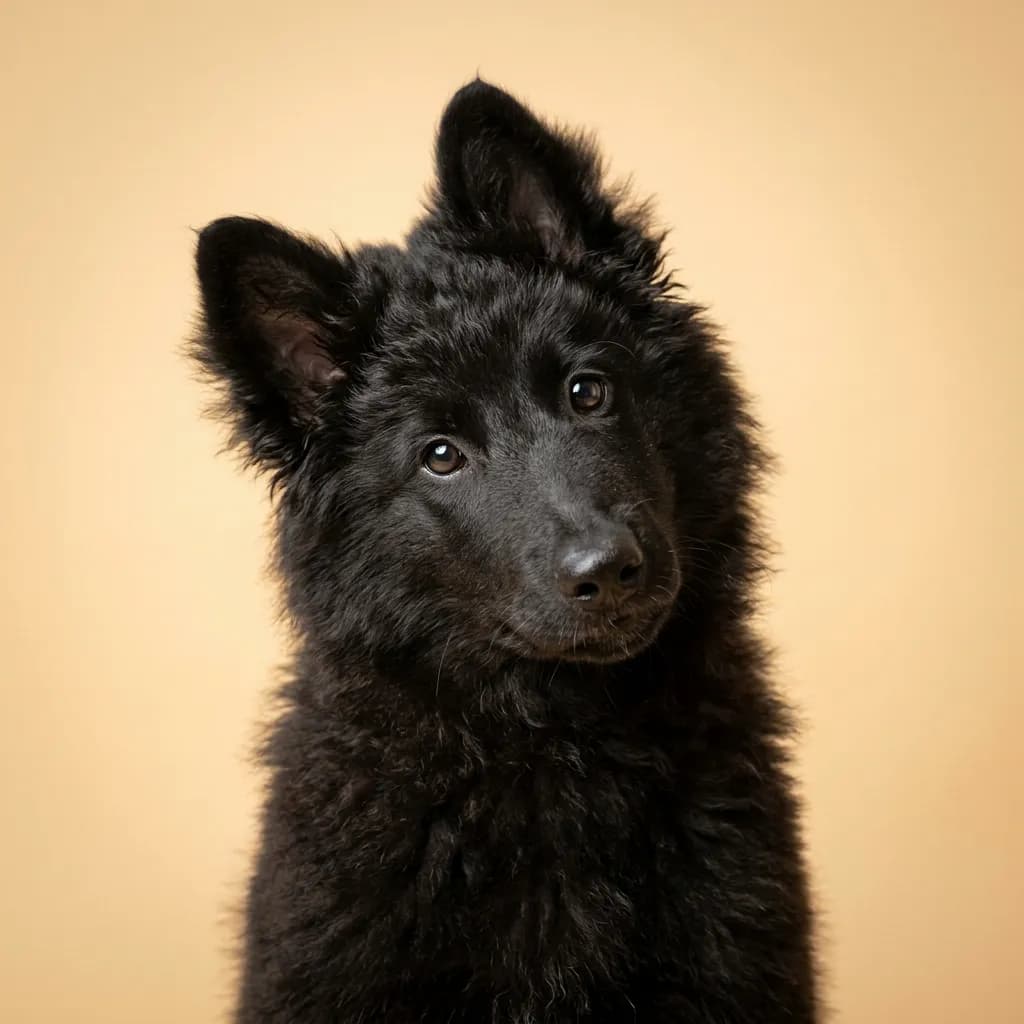
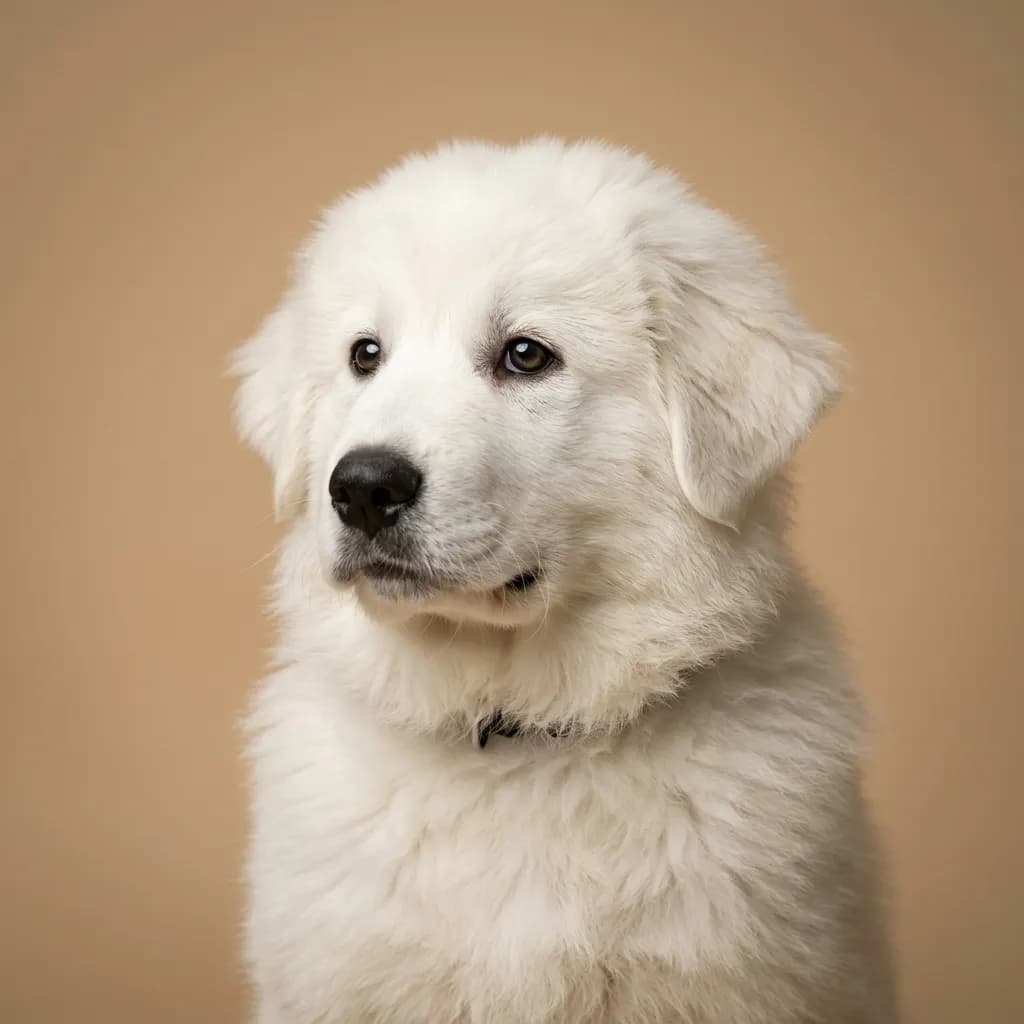
People compare Belgian Sheepdogs and Great Pyrenees because both are big, noble-looking, white or mostly white dogs with a job to do. They both guard, they both bark, and at a glance, they can seem like two sides of the same coin. But bring one home without knowing the difference, and you’ll feel it fast. The Belgian Sheepdog is all coiled energy and focus. Think border collie in a longer coat. intense, driven, and always ready to work. They thrive on tasks, agility, obedience, or herding trials. You don’t just walk a Belgian Sheepdog, you engage them. They’re serious-minded, not aloof, and they bond closely with their person. But they demand time, training, and space to move. A bored Belgian turns destructive. The Great Pyrenees is the calm in the storm. Massive, fluffy, and built for cold mountain nights, they’re natural guardians with a deep sense of duty. They’ll patrol your yard at dawn, bark at a raccoon three fields away, and then spend the rest of the day napping on your porch. They’re gentle with kids, deeply affectionate with their family, and independent to a fault. That independence? It means they won’t come when called if they don’t feel like it. and that’s non-negotiable. Choose the Belgian if you’re active, experienced, and want a dog that excels in sports or advanced training. Pick the Pyrenees if you’ve got land, livestock, or just want a serene, loyal giant who’s happy just being. Here’s the truth the data won’t tell you: the Belgian Sheepdog needs a job to feel complete, while the Great Pyrenees already thinks it’s working. whether you asked it to or not.
Trait-by-trait
Higher bar = more of that trait. Shedding, barking, drooling, grooming flipped for readability.Where they diverge
Choose the Belgian Sheepdog if…
- Active people
- Experienced owners
- Dog sports enthusiasts
- You value trainability — Belgian Sheepdog scores noticeably higher.
Choose the Great Pyrenees if…
- Livestock guardians
- Rural or farm living
- Families with children
- You value affectionate w/ family — Great Pyrenees scores higher here.