Belgian Sheepdog vs Norwegian Lundehund
Side-by-side comparison across all 14 AKC trait ratings, with a clear verdict on which breed fits which kind of household.
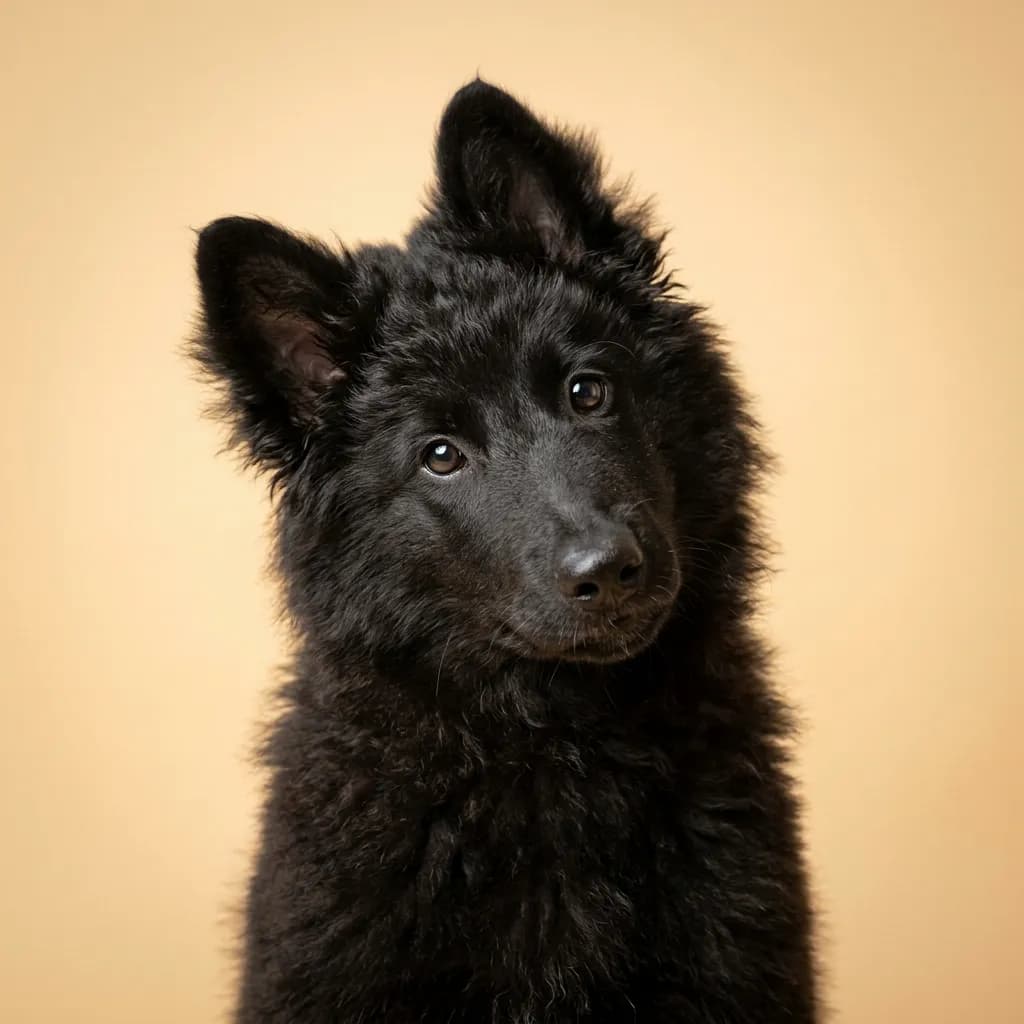
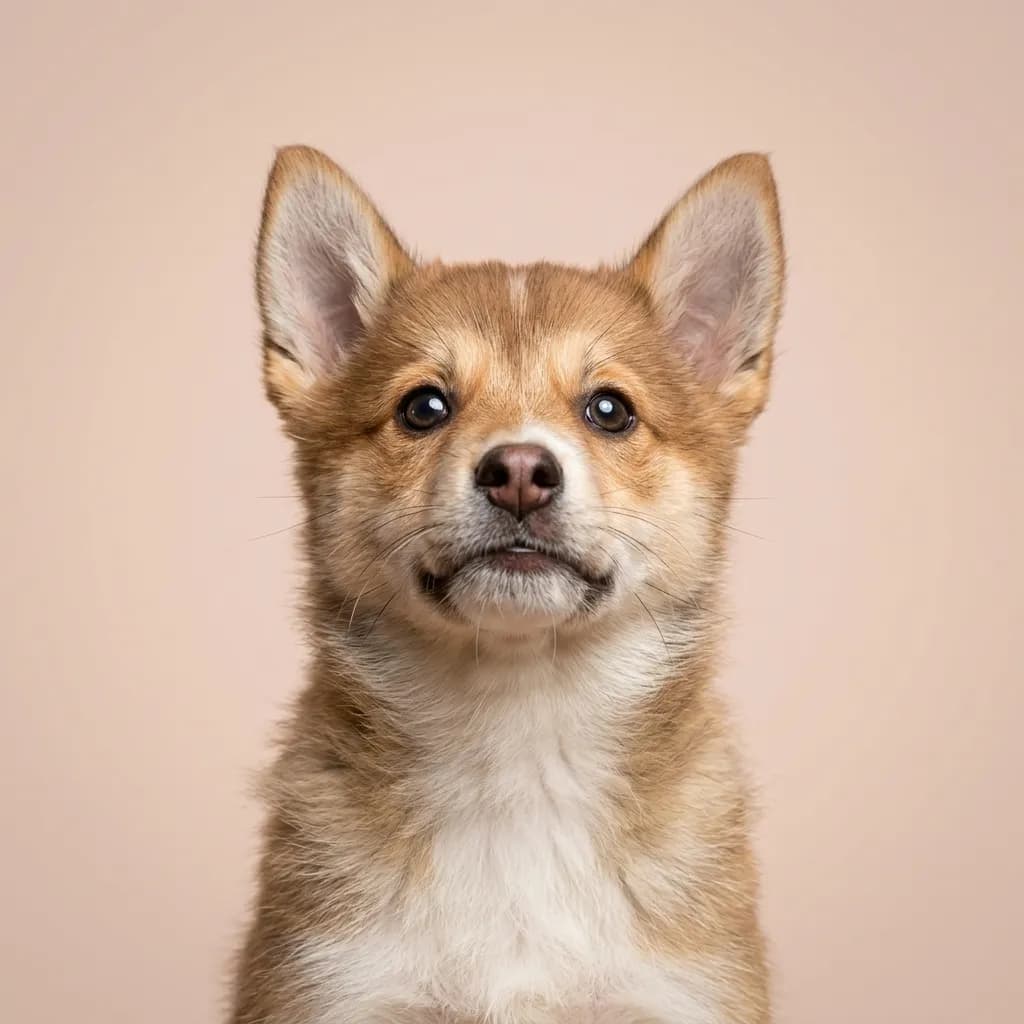
Not sure which breed fits your life?
Answer five questions about your home, your schedule, and your tolerance for shedding. We’ll match you to your top three breeds from over 200.
Belgian Sheepdog vs Norwegian Lundehund
You’re not going to find many side-by-side comparisons of a Belgian Sheepdog and a Norwegian Lundehund, but here’s why they come up together: both are rare, both look like they stepped out of a Nordic fairy tale, and both demand experienced hands. That’s where the similarities end. The Belgian Sheepdog is all drive and purpose. Think a black, elegant tornado that wants to work, train, and outthink you. At 22 to 26 inches, this dog turns your life into a dog sport. agility, herding, rally, you name it. They bond deeply with their person and will stare down a stranger at 50 paces. They’re not for couch potatoes. If you’re a first-time owner or live in a studio, you’ll be miserable. They need mental fuel like a car needs gas. Without it, they’ll redecorate your couch with their teeth. The Lundehund is a living fossil. Six toes, double-jointed limbs, and the ability to squeeze through cracks in cliffs. that’s its legacy. But it’s not a worker in the modern sense. It’s quirky, independent, and stubborn in that ancient-dog way. You’ll love its loyalty and charm, but don’t expect obedience gold stars. Training is a negotiation, not a command. Here’s the real difference: the Belgian Sheepdog wants to be your partner in a mission. The Lundehund just wants to survive. like it’s still hunting puffins on a wind-battered cliff. And that’s the catch. The Lundehund’s rare digestive issues (Lundehund syndrome) mean vet bills can be brutal. You’re not just buying a dog, you’re signing up for a lifelong health project. Pick the Belgian if you want a driven, trainable companion who thrives on activity. Pick the Lundehund only if you’re ready for a rare breed with fragile digestion and a mind of its own.
Trait-by-trait
Higher bar = more of that trait. Shedding, barking, drooling, grooming flipped for readability.Where they diverge
Choose the Belgian Sheepdog if…
- Active people
- Experienced owners
- Dog sports enthusiasts
- You value trainability — Belgian Sheepdog scores noticeably higher.
Choose the Norwegian Lundehund if…
- Experienced dog owners
- Those interested in rare breeds
- Active families