Bichon Frise vs Otterhound
Side-by-side comparison across all 14 AKC trait ratings, with a clear verdict on which breed fits which kind of household.
Not sure which breed fits your life?
Answer five questions about your home, your schedule, and your tolerance for shedding. We’ll match you to your top three breeds from over 200.
Bichon Frise vs Otterhound
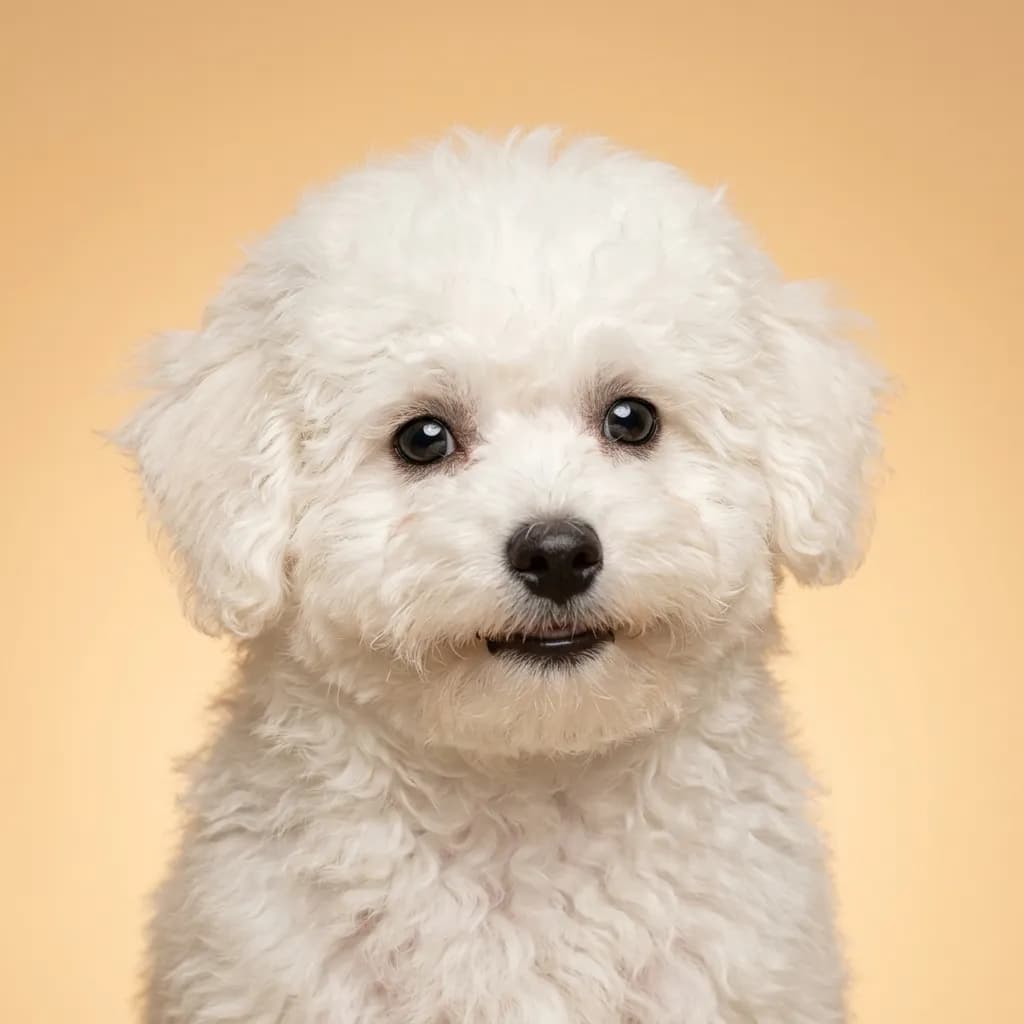
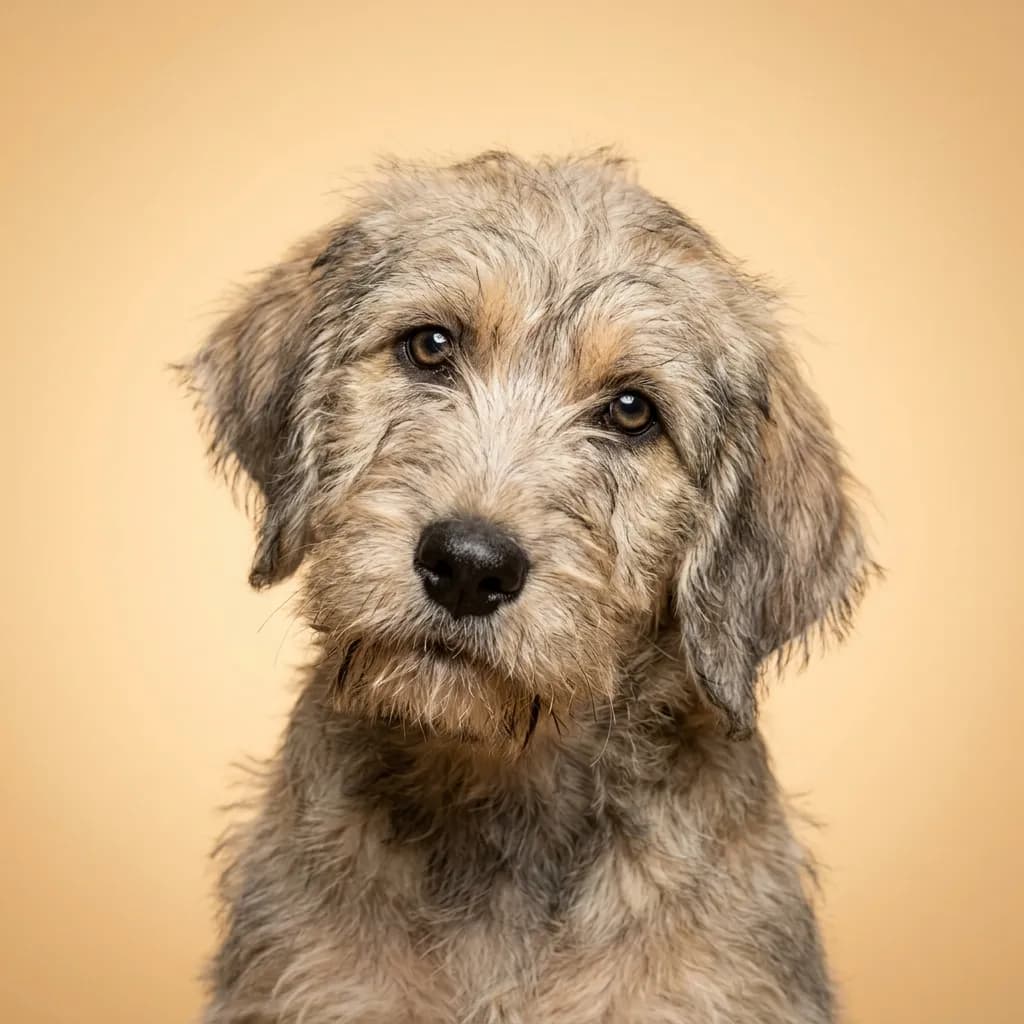
You wouldn’t think someone would compare a cloud-like lap dog to a shaggy, river-soaked mastiff-type hound, but here we are. The Bichon Frise and Otterhound come up together when people are searching for affectionate, energetic dogs with beards and a sense of humor. That’s about where the similarity ends. One fits in a carry-on (almost), the other could knock over a small child just by wagging hello. The Bichon is the ultimate apartment-friendly charmer. At under 20 pounds and with a hypoallergenic curl, it thrives in homes where space is tight but cuddles are constant. It’s eager to please, great with kids, and barks just enough to alert but not annoy. But don’t be fooled by the cotton ball exterior. it needs grooming every 4 to 6 weeks, no exceptions. Skip it and you’ll have a matted disaster on your hands. The Otterhound? Imagine a dog built for storming English rivers, with webbed feet, a waterproof coat, and a voice that carries across valleys. It’s affectionate and smart, yes, but also independent, loud, and prone to following scents like a furry detective. It wants to be with you, just not necessarily when you call. And that signature hound smell? Real. It’s not dirty, it’s just… earthy. Here’s the truth the breeders don’t always tell you: the Bichon can develop separation anxiety if left alone too much, while the Otterhound will be perfectly fine. until it decides to track mud through the house after a joyous swim in the nearest pond. Pick the Bichon if you want a portable, people-pleasing companion with low shedding and high charm. Choose the Otterhound only if you’ve got space, patience, and don’t mind a dog that looks like it belongs in a British wildlife documentary.
Trait-by-trait
Higher bar = more of that trait. Shedding, barking, drooling, grooming flipped for readability.Where they diverge
Choose the Bichon Frise if…
- Apartments
- Seniors
- Families
- You value coat grooming — Bichon Frise scores noticeably higher.
Choose the Otterhound if…
- Active families
- Rural settings
- Outdoor and swimming enthusiasts
- You value drooling level — Otterhound scores higher here.