Black Russian Terrier vs Samoyed
Side-by-side comparison across all 14 AKC trait ratings, with a clear verdict on which breed fits which kind of household.
Not sure which breed fits your life?
Answer five questions about your home, your schedule, and your tolerance for shedding. We’ll match you to your top three breeds from over 200.
Black Russian Terrier vs Samoyed
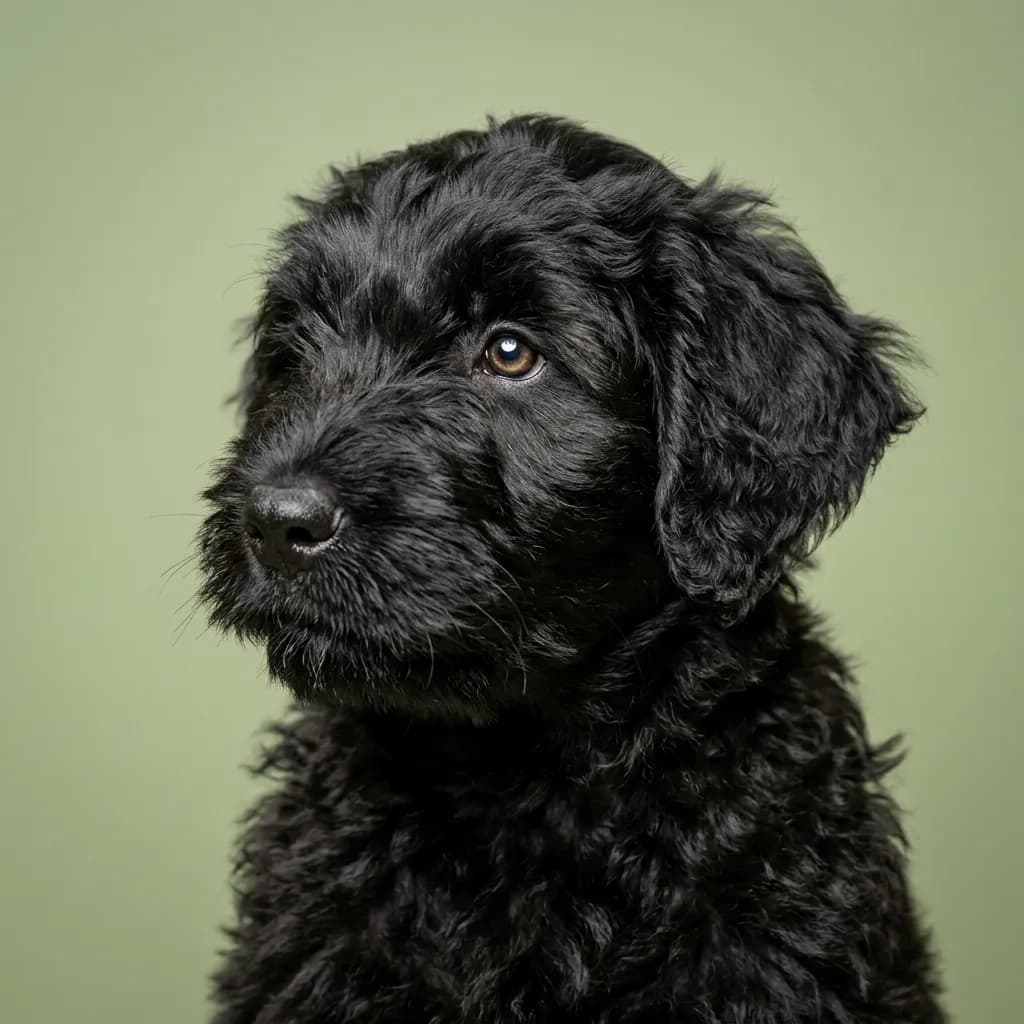
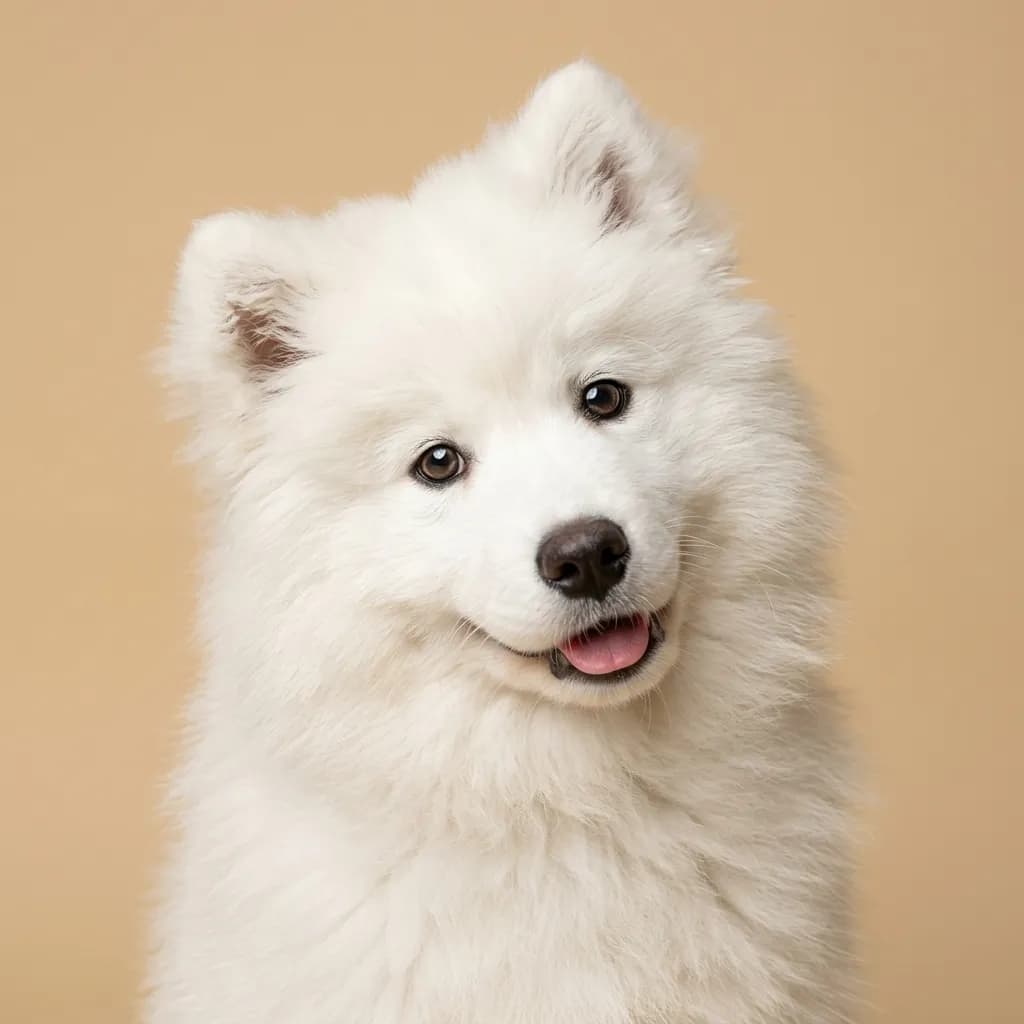
You’re probably comparing a Black Russian Terrier and a Samoyed because both are big, white, fluffy dogs from Russia with that striking “arctic” look. But that’s where the similarities end. One’s a gentle cloud with a wagging smile, the other’s a silent bodyguard in a fur coat. The Samoyed is the people’s dog. They’ll greet your mail carrier like a long-lost cousin, pull you through snow in a sled, then settle on the couch with the kids. They’re deeply affectionate, great with families, and thrive on companionship. But that means they bark. often, and for reasons only they understand. and their coat? It’s not high-shedding, it’s year-round shedding with seasonal blizzards. Grooming isn’t a chore, it’s a commitment. The Black Russian Terrier is built for purpose. Calm, intelligent, and powerful, they were bred for military work. They’re not warm fuzzies; they’re steady guardians who watch, assess, and protect. They’re less affectionate on demand and better suited to experienced owners who can handle their size and instincts. You won’t get the constant smile, but you will get loyalty with quiet intensity. If you want a dog that bonds with everyone and thrives in active family life, the Samoyed is your heart-dog. If you want a protective, composed working dog who’ll stand guard in subzero cold, the Black Russian Terrier fits. Here’s the real talk: the Samoyed’s joy is contagious, but their bark and fluff can wear down even devoted owners. And the Black Russian? They’re not just big. they’re substantial in presence. You don’t own them. You steward them. Pick based on who you are when the world gets quiet, not when it’s sunny and easy.
Trait-by-trait
Higher bar = more of that trait. Shedding, barking, drooling, grooming flipped for readability.Where they diverge
Choose the Black Russian Terrier if…
- Experienced owners
- Active people
- Cold climates
- You value drooling level — Black Russian Terrier scores noticeably higher.
Choose the Samoyed if…
- Active families
- Cold climate households
- Dog sports enthusiasts
- You value good with strangers — Samoyed scores higher here.