Bloodhound vs Chesapeake Bay Retriever
Side-by-side comparison across all 14 AKC trait ratings, with a clear verdict on which breed fits which kind of household.
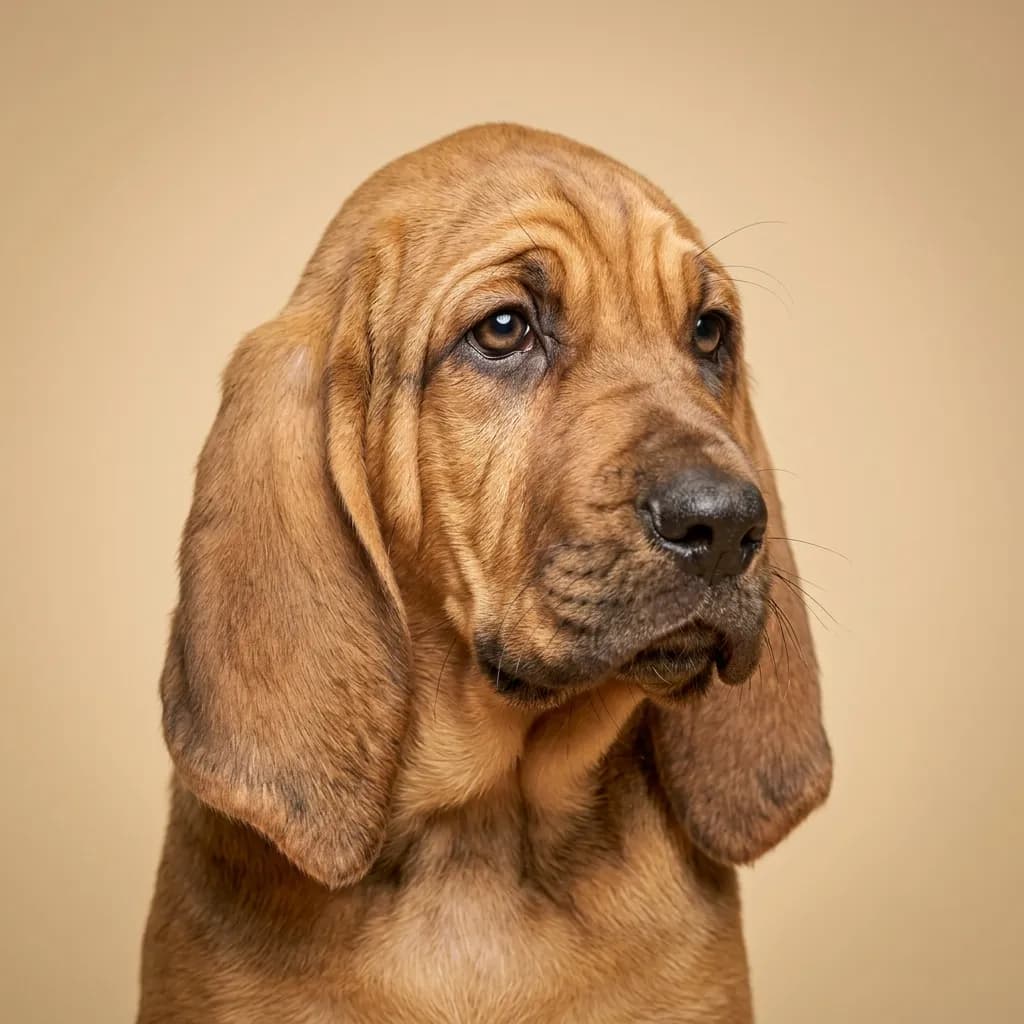
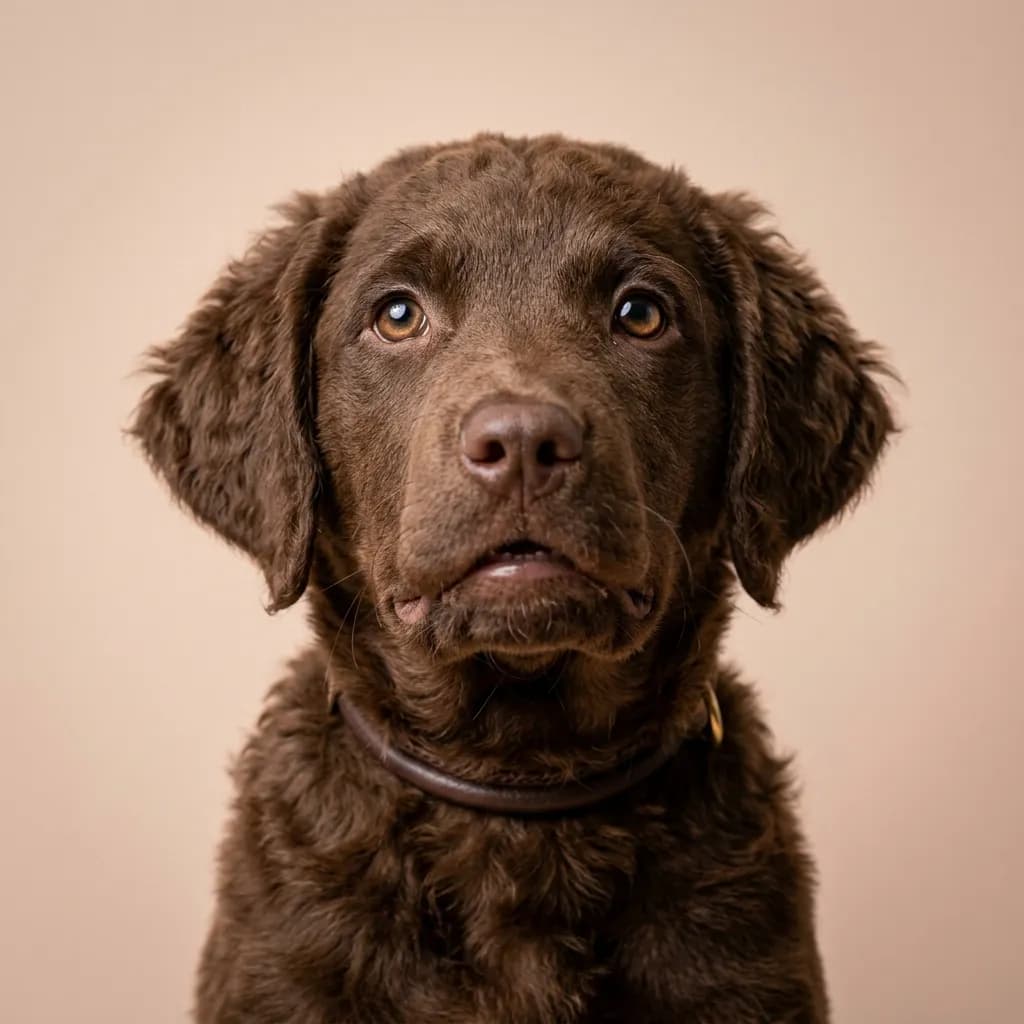
Not sure which breed fits your life?
Answer five questions about your home, your schedule, and your tolerance for shedding. We’ll match you to your top three breeds from over 200.
Bloodhound vs Chesapeake Bay Retriever
People compare Bloodhounds and Chesapeake Bay Retrievers because both are big, working dogs with serious jobs and loud reputations. But that’s where the similarities fade. Think of it this way: one’s a long-distance tracker running on pure instinct, the other’s a tough, water-loving athlete built for action in brutal weather. The Bloodhound is built for one thing. scent. That droopy face and deep bark? All about channeling smells and alerting handlers miles away. You’ll need a fortress of a yard because once a scent hits, they’re gone. They’re stubborn in the sweetest way, ambling through life with a dreamy focus that makes training a marathon. Great with kids if socialized, but not exactly a cuddle bug on demand. They thrive with hunters or folks in rural areas who respect their independence. The Chessie, on the other hand, is a doer. Energetic, eager, and built for cold water with a waterproof coat that sheds just enough to remind you it’s there. They bond deeply, work hard, and actually come when called. most of the time. They adapt better to family life, especially near lakes or in chilly climates, and they’re more responsive in training, which helps if you’re not a dog whisperer. Here’s the real talk: the Bloodhound will follow a trail through your neighbor’s backyard and not look back. The Chessie will bring the ball back soaked and expect a treat. If you want a dog that’s part bloodhound, part lifeguard, go Chessie. If you want a living, breathing tracking machine with a bark that shakes the windows, the Bloodhound’s your hound. Just don’t expect quiet nights.
Trait-by-trait
Higher bar = more of that trait. Shedding, barking, drooling, grooming flipped for readability.Where they diverge
Choose the Bloodhound if…
- Active people
- Rural homes
- Hunters
- You value drooling level — Bloodhound scores noticeably higher.
Choose the Chesapeake Bay Retriever if…
- Active families
- Hunters and waterfowlers
- Cold and wet climate owners
- You value watchdog / protective — Chesapeake Bay Retriever scores higher here.