Bloodhound vs Swedish Lapphund
Side-by-side comparison across all 14 AKC trait ratings, with a clear verdict on which breed fits which kind of household.
Not sure which breed fits your life?
Answer five questions about your home, your schedule, and your tolerance for shedding. We’ll match you to your top three breeds from over 200.
Bloodhound vs Swedish Lapphund
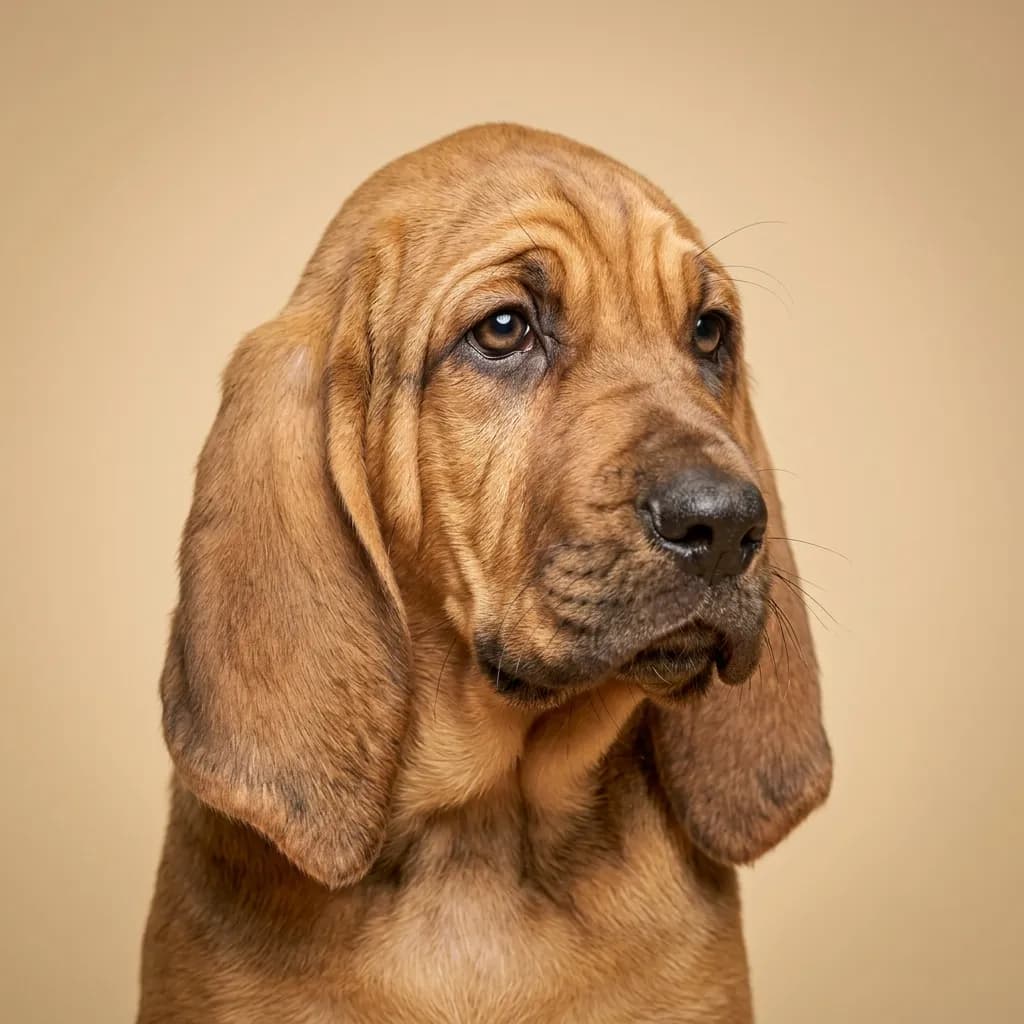
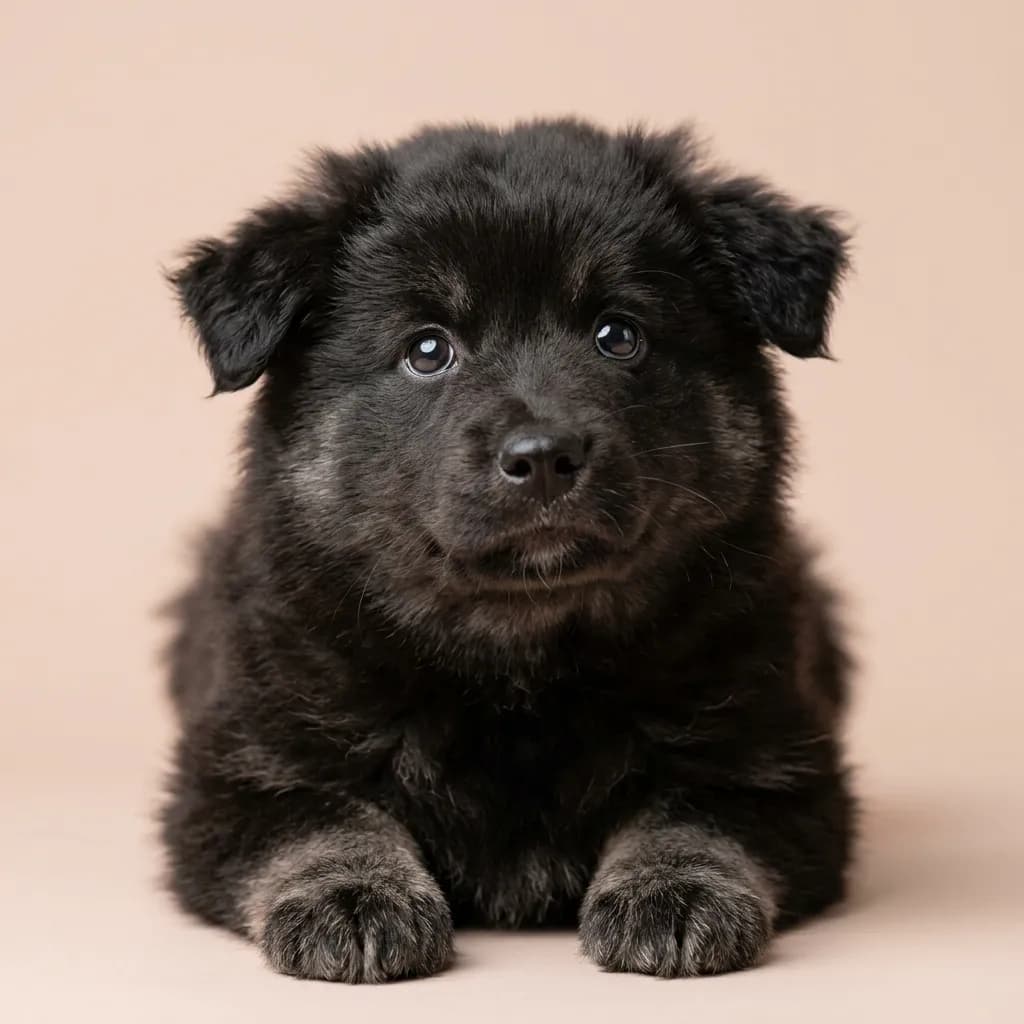
You’re not going to find these two dogs at the same dog park very often, but people do compare them when they’re after something rare: a deeply loyal, working-line dog with a strong mind of its own. The Bloodhound and Swedish Lapphund couldn’t be more different under the surface, even if both wear fur like a badge of honor. The Bloodhound is a scent-obsessed powerhouse. Once that nose hits the trail, good luck getting his attention back. He’s built like a low-slung tank, built for tracking for hours, not agility courses or backyard fetch. He’s friendly, sure, but he’s not watching you for cues. he’s watching the wind for clues. You need a 6-foot fence, a rural lot, and the patience for nightly ear cleanings and the occasional midnight bay. He’s not for you if quiet evenings matter. The Swedish Lapphund, on the other hand, is the nimble, sharp-eyed reindeer wrangler from the Arctic Circle. Light on his feet, loud when alert, and deeply bonded to his people. He thrives on tasks, loves cold weather, and will herd your kids around the yard if you let him. He’s easier to train, more attentive, and packs that fluffy charm into half the size. Here’s the thing no one tells you: the Bloodhound’s independence isn’t laziness. it’s single-minded focus. The Lapphund’s barking isn’t just noise, it’s communication. So choose not by size or fluff, but by purpose. Want a living, breathing search-and-rescue tool with a heart of gold? Go Bloodhound. Want an involved partner for adventures, sports, and daily interaction in a colder climate? The Lapphund will shadow you like a furry shadow. One follows scents. The other follows you.
Trait-by-trait
Higher bar = more of that trait. Shedding, barking, drooling, grooming flipped for readability.Where they diverge
Choose the Bloodhound if…
- Active people
- Rural homes
- Hunters
- You value drooling level — Bloodhound scores noticeably higher.
Choose the Swedish Lapphund if…
- Active families
- Cold climate households
- Dog sports enthusiasts
- You value watchdog / protective — Swedish Lapphund scores higher here.