Brittany vs Samoyed
Side-by-side comparison across all 14 AKC trait ratings, with a clear verdict on which breed fits which kind of household.

Not sure which breed fits your life?
Answer five questions about your home, your schedule, and your tolerance for shedding. We’ll match you to your top three breeds from over 200.
Brittany vs Samoyed
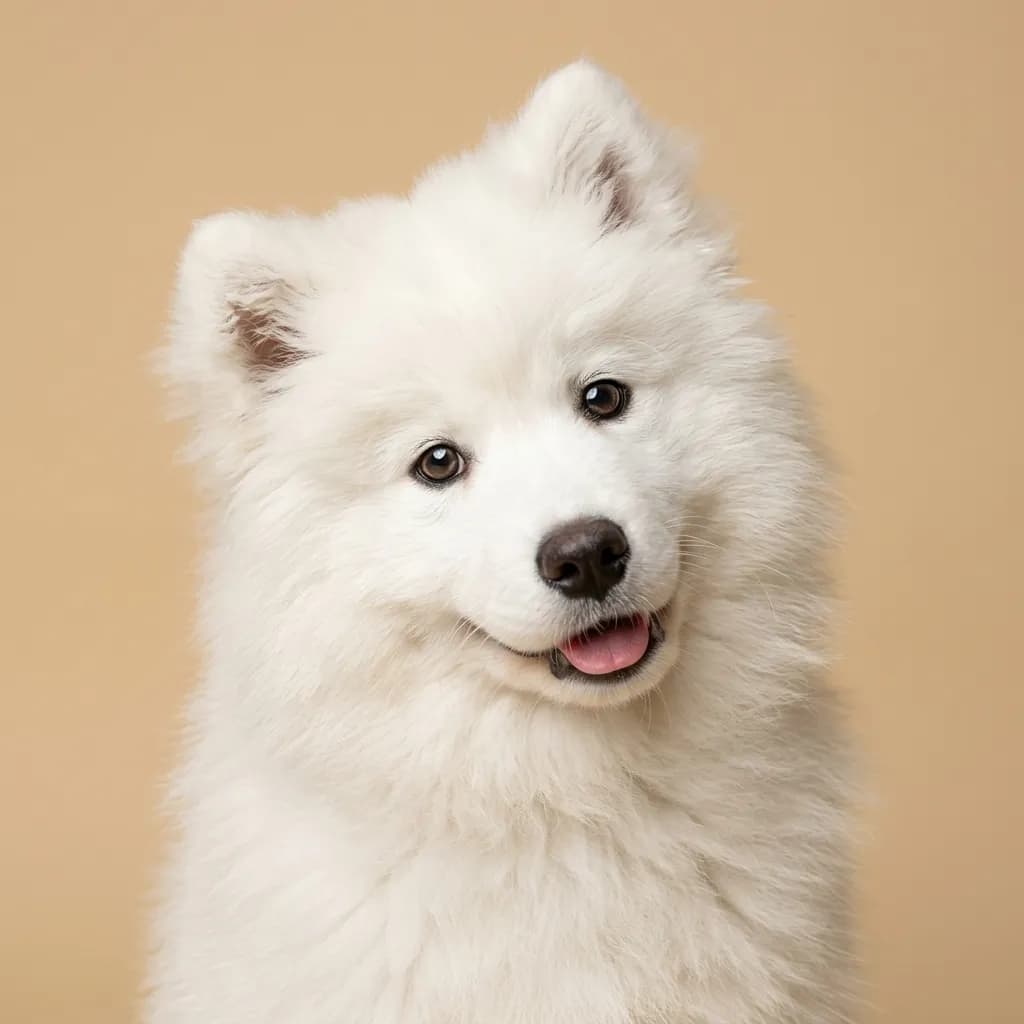
People compare Brittanys and Samoyeds because they’re both medium to large, friendly, active dogs with that classic “smiley” look and family-friendly reputations. But beyond the surface, they’re built for entirely different lives. The Brittany is a lean, high-drive athlete. This dog lives to move. Bred to zigzag fields all day pointing and flushing birds, it thrives on speed, space, and mental challenges. You’ll need daily runs, hikes, or dog sports. otherwise, that brilliant mind turns to mischief. They’re moderately affectionate, attaching deeply to their people but not glued to your lap. Brittanys adapt okay to suburban homes with yards, but they’re no apartment dog. And while they shed, it’s nothing compared to the Samoyed’s full-on fluff explosion. That’s where the Samoyed shines. and overwhelms. This dog is a walking snowstorm of fur, bred for Arctic survival. Their double coat demands weekly brushing and seasonal blowouts. skip it, and mats will take over. But in cold climates, they’re golden. They’re also persistent barkers, a trait from their herding past. Want a dog that greets everyone like a long-lost friend, loves kids fiercely, and wants to be part of every family moment? The Samoyed delivers. They’re smart and trainable, but with a streak of independence that can try your patience. Here’s the real difference most miss: Brittanys need a job, Samoyeds need connection. A Brittany left alone all day will be destructive from boredom. A Samoyed left alone will bark from loneliness. Both live 12 to 14 years, but the emotional investment differs. If you’re active and want a focused partner, go Brittany. If you want a loyal, social heart-of-the-household with winter charm, and don’t mind grooming or noise, the Samoyed will steal your life. and your sweaters.
Trait-by-trait
Higher bar = more of that trait. Shedding, barking, drooling, grooming flipped for readability.Where they diverge
Choose the Brittany if…
- Active families
- Hunters
- Runners and hikers
- You value good with other dogs — Brittany scores noticeably higher.
Choose the Samoyed if…
- Active families
- Cold climate households
- Dog sports enthusiasts
- You value affectionate w/ family — Samoyed scores higher here.