Broholmer vs Samoyed
Side-by-side comparison across all 14 AKC trait ratings, with a clear verdict on which breed fits which kind of household.

Not sure which breed fits your life?
Answer five questions about your home, your schedule, and your tolerance for shedding. We’ll match you to your top three breeds from over 200.
Broholmer vs Samoyed
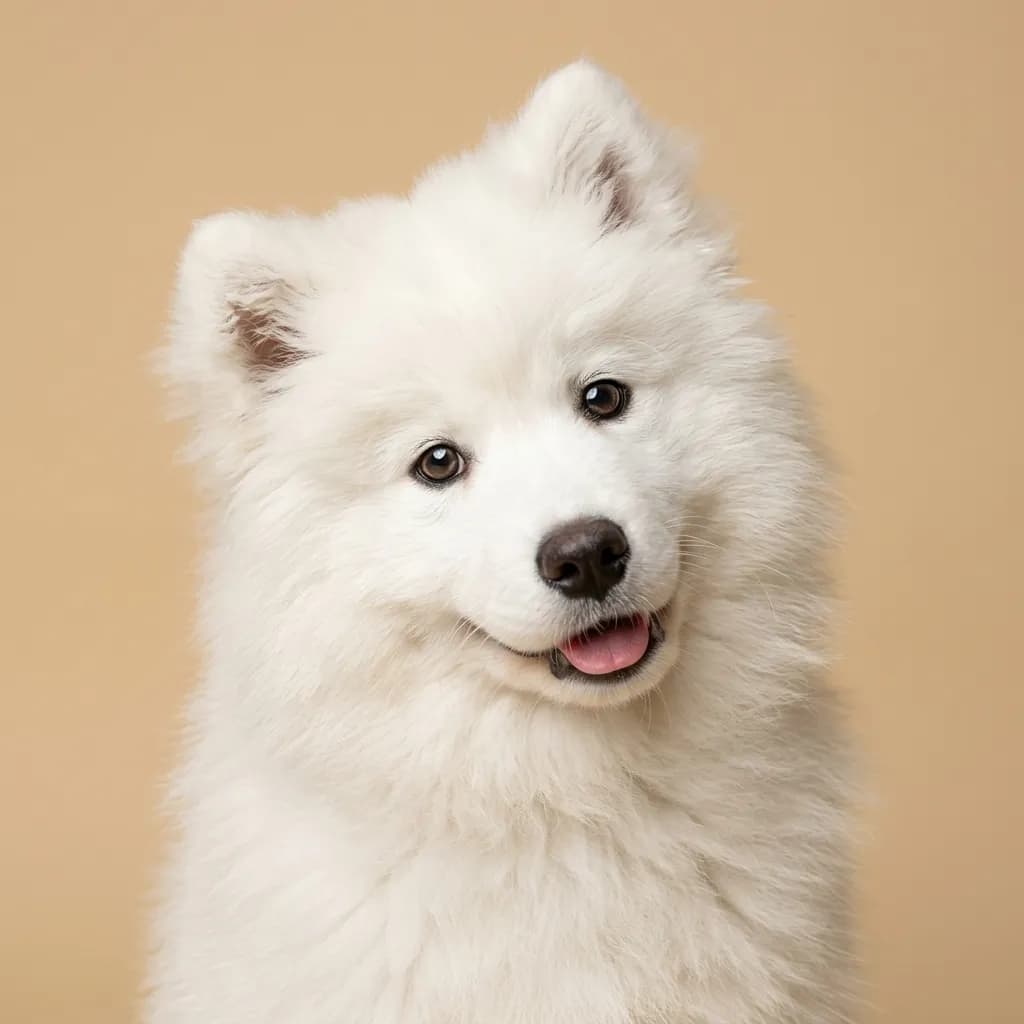
You’re probably not cross-shopping a massive Danish guardian and a fluffy Arctic herder because they look alike. You’re here because both promise something rare: a deeply loyal, family-oriented dog with that soul-melting gaze. But that’s where the similarity ends. The Broholmer is the quiet giant. He’s built like a barn door, calm to the point of laziness, and will follow you from room to room with the quiet devotion of a shadow. He won’t bark much, but he’ll notice everything. perfect if you want a natural watchdog who doesn’t turn every squirrel into a national emergency. But he’s no beginner project. At 100+ pounds, he’s strong-willed enough that first-time owners often get overwhelmed, and his size means bloat and joint issues are real concerns. You need space, experience, and the ability to handle a dog that’s more draft horse than lapdog. Then there’s the Samoyed, a smiling cloud of energy with a voice to match. This dog talks. A lot. That cheerful barky warble isn’t a glitch, it’s a feature. If you want a dog that thrives on interaction, loves cold weather, and wants to be part of every activity. hiking, sledding, or just supervising your Zoom calls. the Samoyed is magic. But don’t be fooled by the fluff. That coat needs weekly upkeep, and in hot climates, you’ll be managing heat stress constantly. Here’s the unspoken truth: the Broholmer gives you presence without demand. The Samoyed gives you joy with conditions. Choose the Broholmer if you want a stoic, loving guardian who blends into your routine. Choose the Samoyed if you want a joyful, chatty partner who reshapes your routine around activity and connection. One’s a silent anchor, the other’s a joyful spark. Pick based on whether you need calm or company.
Trait-by-trait
Higher bar = more of that trait. Shedding, barking, drooling, grooming flipped for readability.Where they diverge
Choose the Broholmer if…
- experienced large-breed owners
- families with children
- homes with large yards
- You value drooling level — Broholmer scores noticeably higher.
Choose the Samoyed if…
- Active families
- Cold climate households
- Dog sports enthusiasts
- You value barking level — Samoyed scores higher here.