Bullmastiff vs Samoyed
Side-by-side comparison across all 14 AKC trait ratings, with a clear verdict on which breed fits which kind of household.

Not sure which breed fits your life?
Answer five questions about your home, your schedule, and your tolerance for shedding. We’ll match you to your top three breeds from over 200.
Bullmastiff vs Samoyed
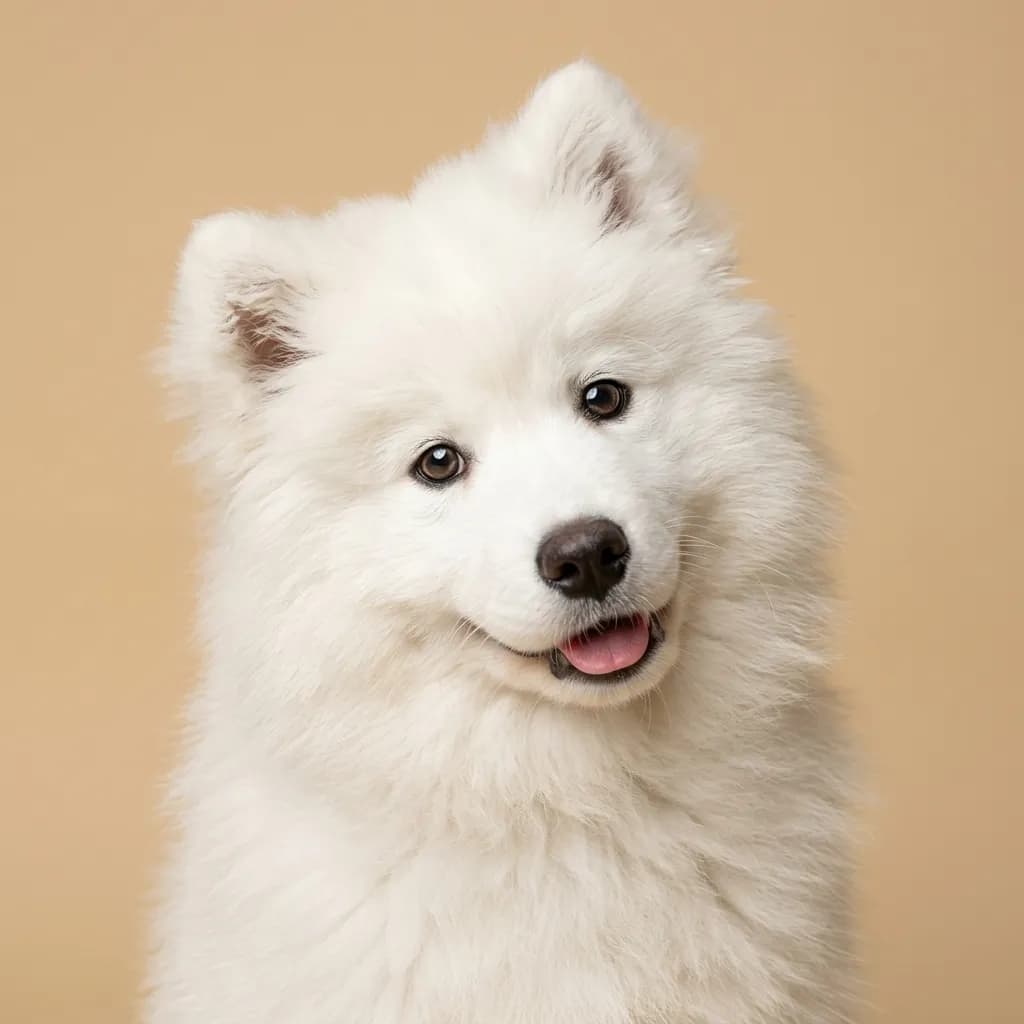
You’re not really comparing a Bullmastiff and a Samoyed because they look alike. One’s a mountain of muscle built like a draft horse, the other’s a snowdrift with a tail curled over its back. You’re here because both come up when you’re searching for a loyal, family-oriented working dog with a big presence. That’s where the similarity ends. The Bullmastiff is your silent enforcer. Calm, deeply loyal, and fearless by nature, it was bred to take down poachers, not chat with them. You’ll get a devoted companion who’ll follow you from room to room like a furry bodyguard, but this isn’t a dog for first-timers. They’re strong-willed, need early training, and their size alone demands space and stability. They don’t bark much, which is good for neighbors, but don’t mistake quiet for lazy. they need daily mental and physical challenges. And yes, they’re not ideal around toddlers simply because a wagging tail can knock over a small child like a bowling pin. The Samoyed, in contrast, is all conversation. That beautiful white coat? It sheds year-round and then doubles in spring. The smile? Permanent. The bark? Constant. They’re friendly with everyone, including strangers and squirrels, so don’t expect guard duty. But they thrive on connection, activity, and cold weather. If you’re into hiking, sledding, or dog sports, they’re all in. They’ll bond with the whole family, including young kids, and adapt well. if you keep up with grooming and exercise. Here’s the real difference: The Bullmastiff protects your home in silence. The Samoyed will tell the whole neighborhood about the mailman. and then invite him in for tea. Choose based on whether you want a guardian or a greeter.
Trait-by-trait
Higher bar = more of that trait. Shedding, barking, drooling, grooming flipped for readability.Where they diverge
Choose the Bullmastiff if…
- Experienced dog owners
- Families with older children
- Homeowners with fenced yards
- You value drooling level — Bullmastiff scores noticeably higher.
Choose the Samoyed if…
- Active families
- Cold climate households
- Dog sports enthusiasts
- You value barking level — Samoyed scores higher here.