Chesapeake Bay Retriever vs Pumi
Side-by-side comparison across all 14 AKC trait ratings, with a clear verdict on which breed fits which kind of household.

Not sure which breed fits your life?
Answer five questions about your home, your schedule, and your tolerance for shedding. We’ll match you to your top three breeds from over 200.
Chesapeake Bay Retriever vs Pumi
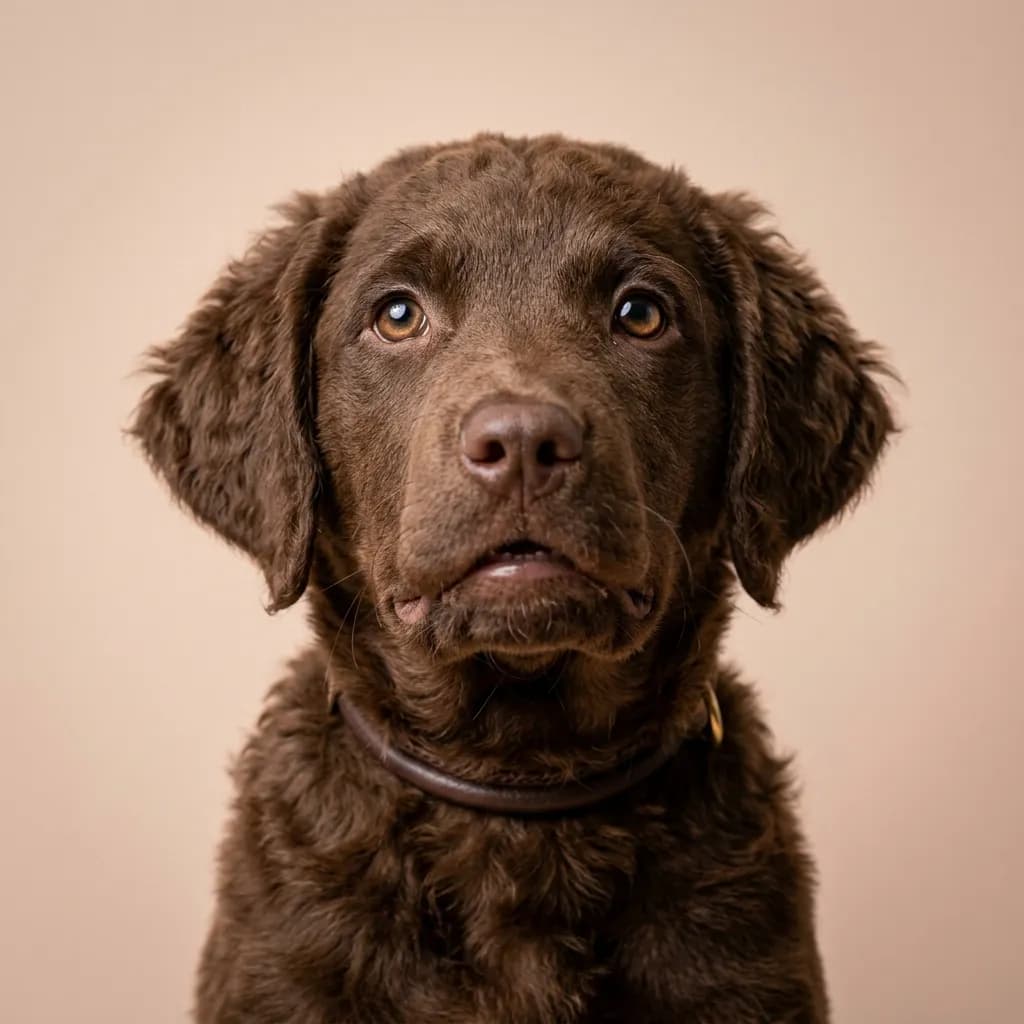
You’re not going to see a Chessie and a Pumi at the same dog park every day, but if you’re torn between them, you’re probably someone who values brains, energy, and a dog that’s really into their job. People compare them not because they look alike. they don’t. but because both are high-drive, trainable breeds that thrive on partnership. You want a dog that’s sharp, involved, and always game for a task. But the kind of work they live for couldn’t be more different. The Chessie is a powerhouse built for endurance in icy water, with a wavy olive-brown coat that sheds moderately and a quiet intensity around strangers. They’re deeply loyal, affectionate with family, and happiest when they’ve got miles of swim time or a hunting trip on the calendar. You need space, cold-weather tolerance, and an outdoor lifestyle to keep them balanced. The Pumi, a compact herding dynamo from Hungary, is like a spring-coiled comedian with a tousled coat and ears that twitch at the first sign of movement. They’re hypoallergenic, barkier by instinct, and obsessed with precision. This is a dog that will learn a trick in three minutes and then stress-clean your entire yard. They don’t just want mental work. they demand it daily. Here’s the real talk: the Chessie can mellow a bit with age and routine. The Pumi? They stay wired. Always. If you’re into agility, barn hunt, or just want a velcro dog who’ll mirror your energy, the Pumi’s your match. But if you’re hunting, boating, or just want a stoic outdoor companion with softer edges around kids and guests, go Chessie. Choose the breed that matches not just your schedule, but your soul’s pace. One’s a rugged retriever with a heart of gold. The other’s a whirlwind in a perm. You’ll survive with either. but you’ll only thrive if you pick the one whose rhythm matches yours.
Trait-by-trait
Higher bar = more of that trait. Shedding, barking, drooling, grooming flipped for readability.Where they diverge
Choose the Chesapeake Bay Retriever if…
- Active families
- Hunters and waterfowlers
- Cold and wet climate owners
- You value shedding level — Chesapeake Bay Retriever scores noticeably higher.
Choose the Pumi if…
- Active owners
- Dog sports enthusiasts
- Experienced herding breed owners
- You value affectionate w/ family — Pumi scores higher here.