Chow Chow vs Kishu Ken
Side-by-side comparison across all 14 AKC trait ratings, with a clear verdict on which breed fits which kind of household.
Not sure which breed fits your life?
Answer five questions about your home, your schedule, and your tolerance for shedding. We’ll match you to your top three breeds from over 200.
Chow Chow vs Kishu Ken
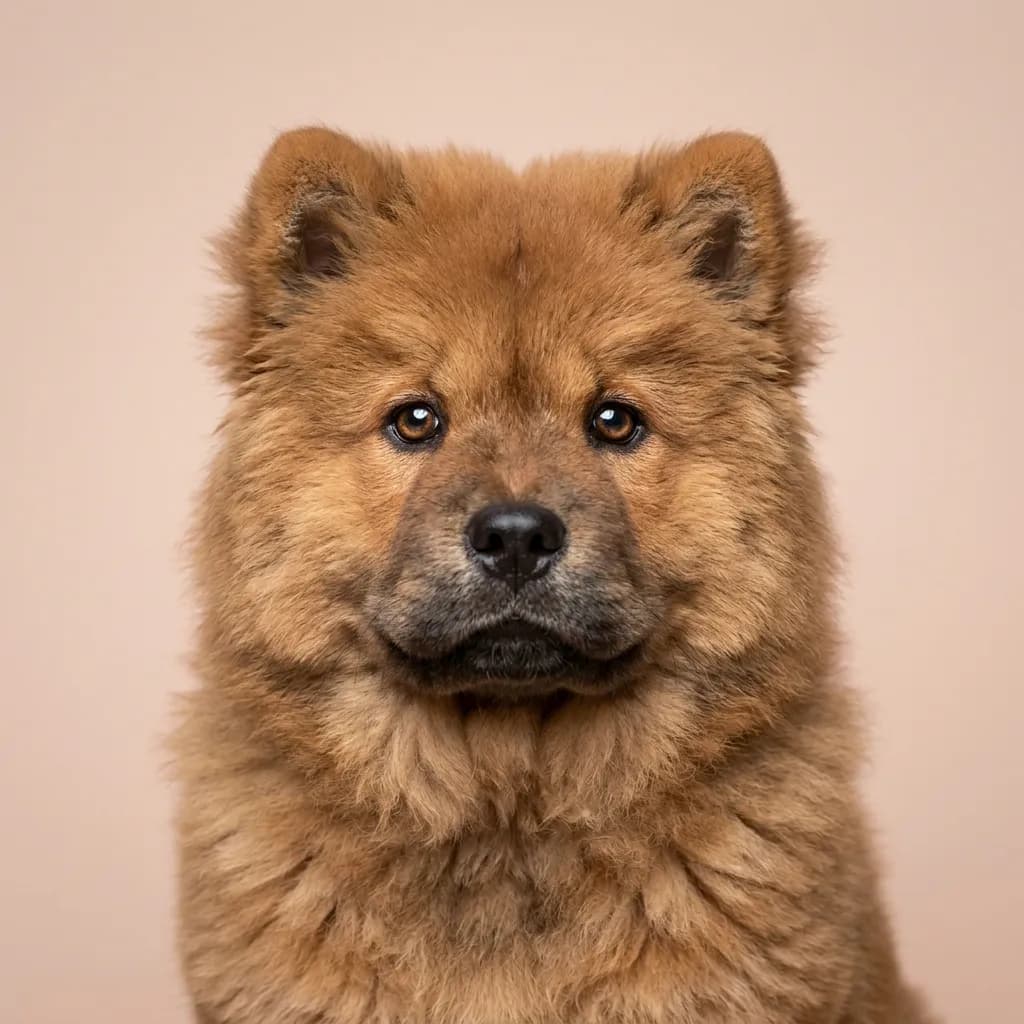
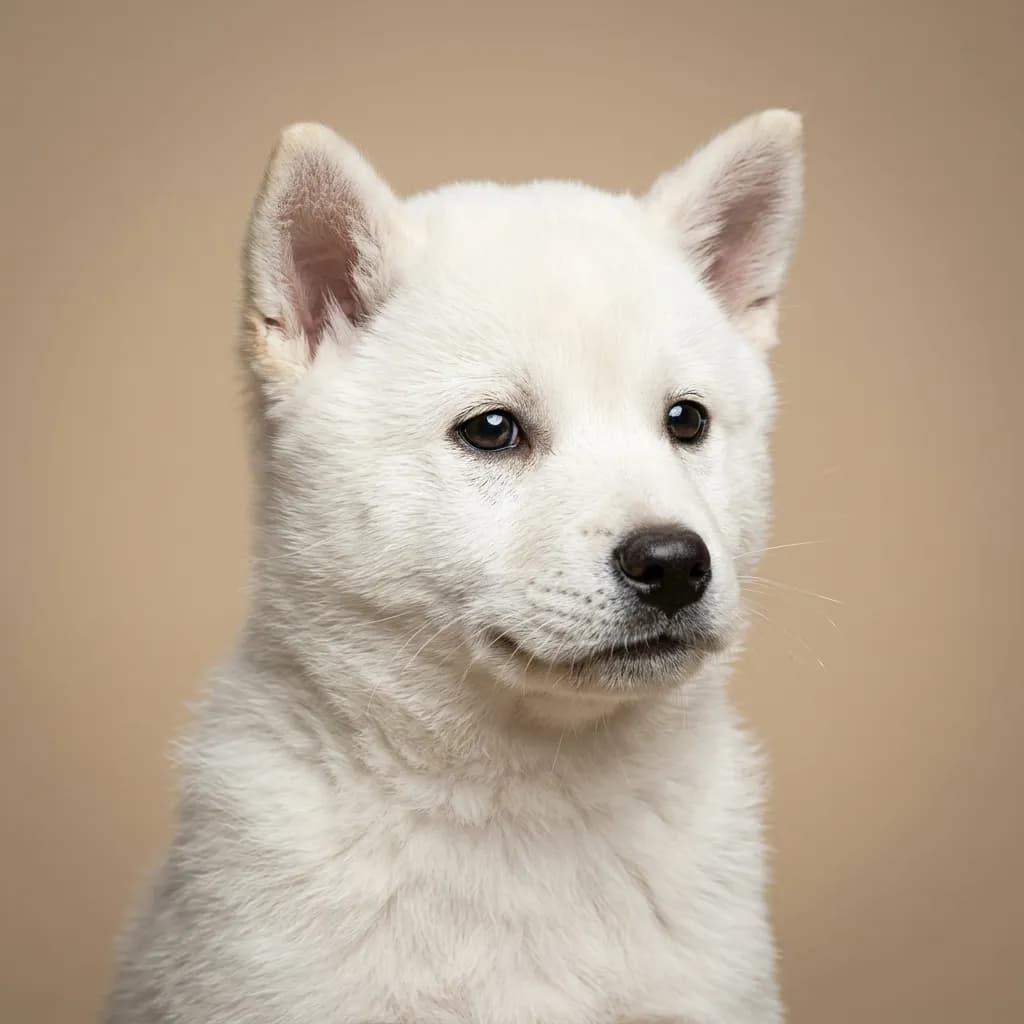
People compare Chow Chows and Kishu Kens because they’re both rare, ancient-looking breeds with a reserved demeanor and a striking coat that demands attention. On paper, they seem similar. moderate energy, low barking, high shedding. but living with one versus the other feels worlds apart. The Chow Chow is the dignified roommate who’s comfortable with long stretches of silence. He’ll curl up by the window and keep a watchful eye on the world, affectionate in his own aloof way. He’s better suited to a quieter home, maybe with adults who aren’t constantly entertaining kids or hosting chaos. He’s not mean, but he’s cautious, especially around strangers and fast-moving children. You’ll need patience. training isn’t a battle you win overnight, and he’ll make his opinion known if he’s uncomfortable. And that blue-black tongue? Just part of his mysterious charm. The Kishu Ken, meanwhile, is a forest ghost turned family sentinel. Bred to hunt boar in the Japanese mountains, he’s got a sharper edge beneath the calm. He’s more mentally engaged, always aware, always assessing. He bonds deeply but doesn’t gush. He’s not built for city life or back-to-back Zoom calls in a studio apartment. He needs space, routine, and an owner who understands that “docile” doesn’t mean “obedient.” Here’s the real talk: both need experienced hands, but for different reasons. The Chow challenges your patience with stubbornness; the Kishu tests your leadership with independence. If you want a living sculpture that tolerates your presence with regal grace, go Chow. If you want a quiet partner for a deliberate, outdoors-oriented life who’ll stand beside you. never beneath you. choose Kishu. Neither will fetch your slippers. But both will command your respect.
Trait-by-trait
Higher bar = more of that trait. Shedding, barking, drooling, grooming flipped for readability.Where they diverge
Choose the Chow Chow if…
- Experienced dog owners
- Less active households
- Adults-only homes
- You value coat grooming — Chow Chow scores noticeably higher.
Choose the Kishu Ken if…
- Experienced dog owners
- Active owners
- Cold climates
- You value good with strangers — Kishu Ken scores higher here.