Great Pyrenees vs Russian Tsvetnaya Bolonka
Side-by-side comparison across all 14 AKC trait ratings, with a clear verdict on which breed fits which kind of household.
Not sure which breed fits your life?
Answer five questions about your home, your schedule, and your tolerance for shedding. We’ll match you to your top three breeds from over 200.
Great Pyrenees vs Russian Tsvetnaya Bolonka
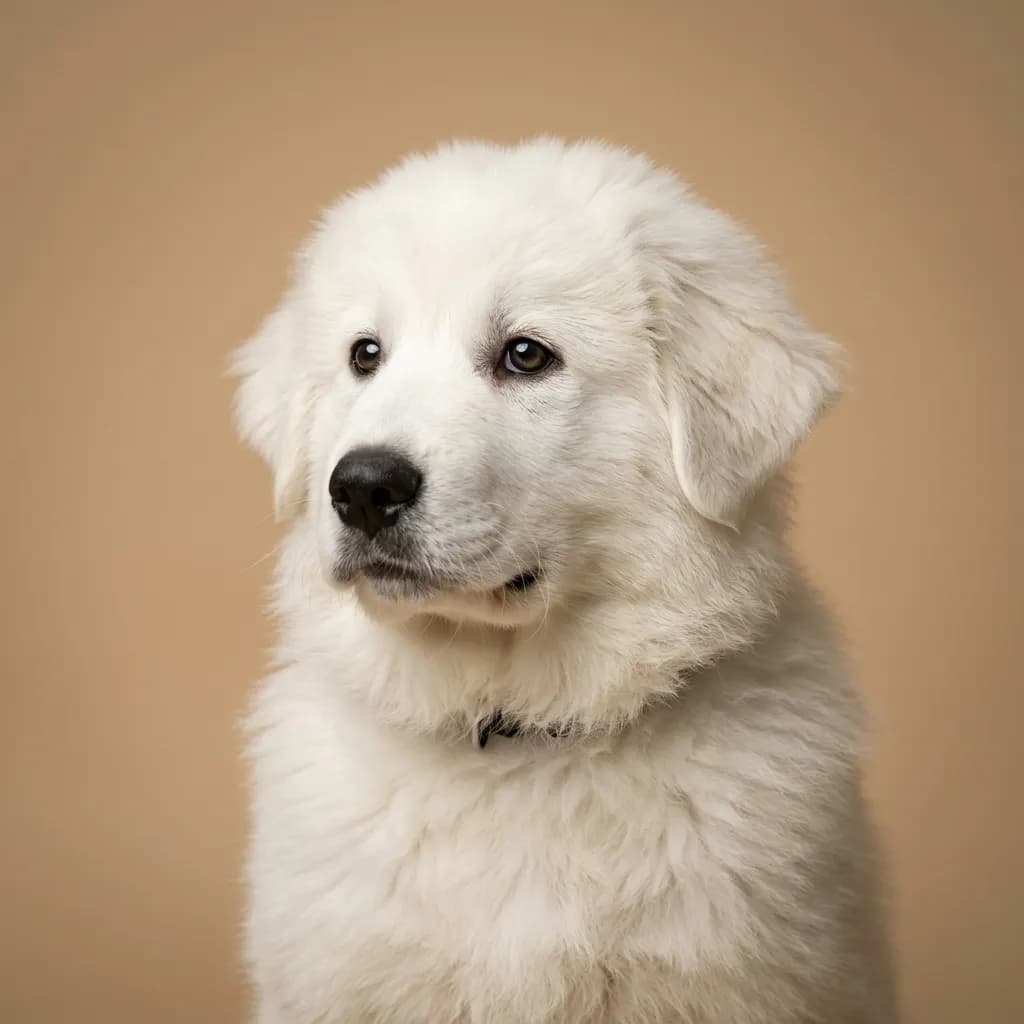
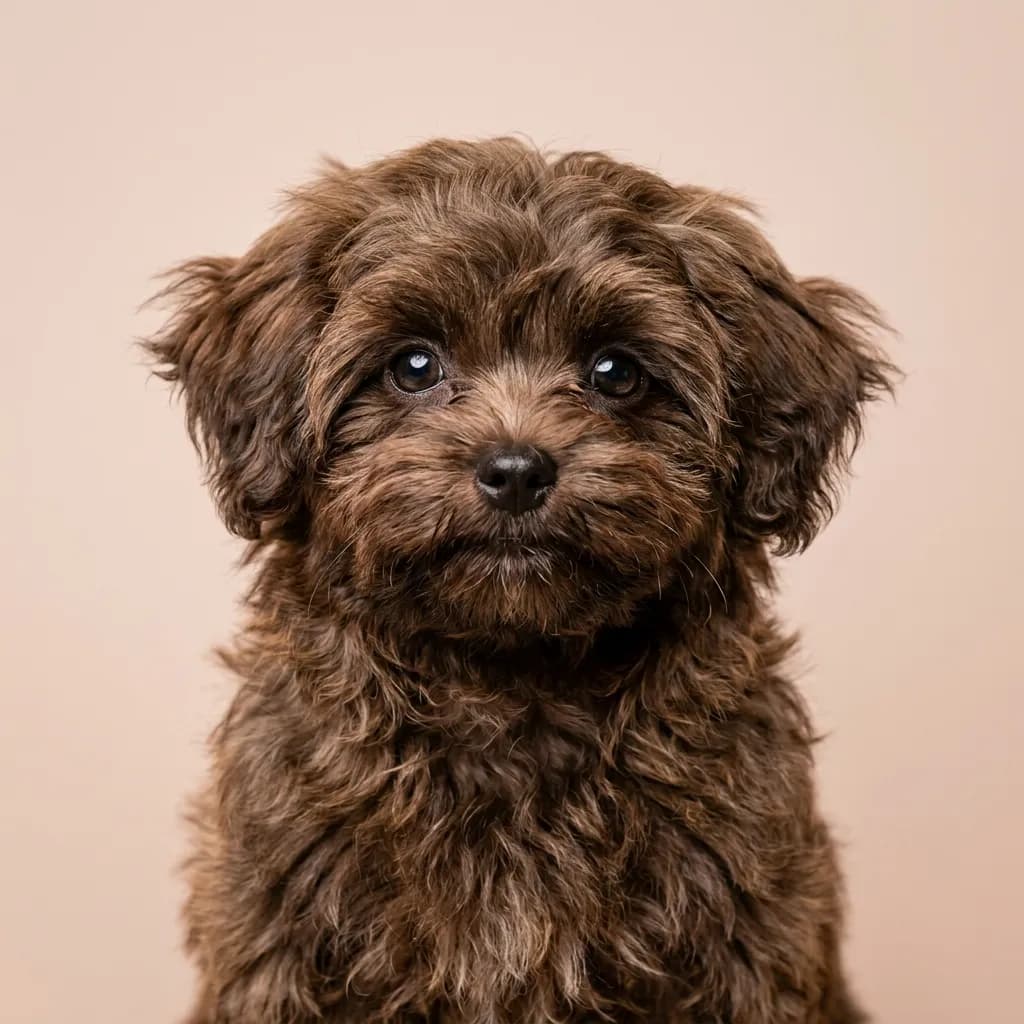
You’re probably not comparing a Great Pyrenees and a Russian Tsvetnaya Bolonka because you’re trying to choose between them. More likely, you’re deep in the dog breed rabbit hole, and somehow landed on these two extremes. One’s a mountain of fluff that could take down a wolf. The other fits in a handbag. But if you’re seriously weighing them? This isn’t about size alone. It’s about role, rhythm, and how much dog you actually want in your life. The Great Pyrenees is a guardian first. You’ll get deep loyalty, a calm presence around kids, and an instinct to patrol and protect that won’t quit. They’re not hyper, but they’re big, they drool, they shed like snowstorms, and they won’t come when called if they spot a deer. You need space, cold weather helps, and you must accept they’re independent thinkers. They’re happiest on a farm, not a city sidewalk. The Bolonka? Total opposite. Tiny, hypoallergenic, and bred to bond. They’re smart, trainable, and thrive in apartments or with seniors. But don’t be fooled by the size. They’re alert barkers and hate being left alone. If you’re gone 10 hours a day, they’ll suffer. And while they’re low-shedding, their curly coat needs weekly brushing or it mats fast. Here’s the real difference beyond the numbers: the Pyrenees is a working partner with a job written in its DNA. The Bolonka is a companion designed to reflect your emotional rhythm. Pick the Pyrenees if you want a living fence around your family. Pick the Bolonka if you want a furry shadow that lives for your attention. One guards the perimeter. The other guards your lap.
Trait-by-trait
Higher bar = more of that trait. Shedding, barking, drooling, grooming flipped for readability.Where they diverge
Choose the Great Pyrenees if…
- Livestock guardians
- Rural or farm living
- Families with children
- You value shedding level — Great Pyrenees scores noticeably higher.
Choose the Russian Tsvetnaya Bolonka if…
- Apartment living
- Seniors
- Families with gentle children
- You value playfulness — Russian Tsvetnaya Bolonka scores higher here.