Greater Swiss Mountain Dog vs Swedish Lapphund
Side-by-side comparison across all 14 AKC trait ratings, with a clear verdict on which breed fits which kind of household.
Not sure which breed fits your life?
Answer five questions about your home, your schedule, and your tolerance for shedding. We’ll match you to your top three breeds from over 200.
Greater Swiss Mountain Dog vs Swedish Lapphund
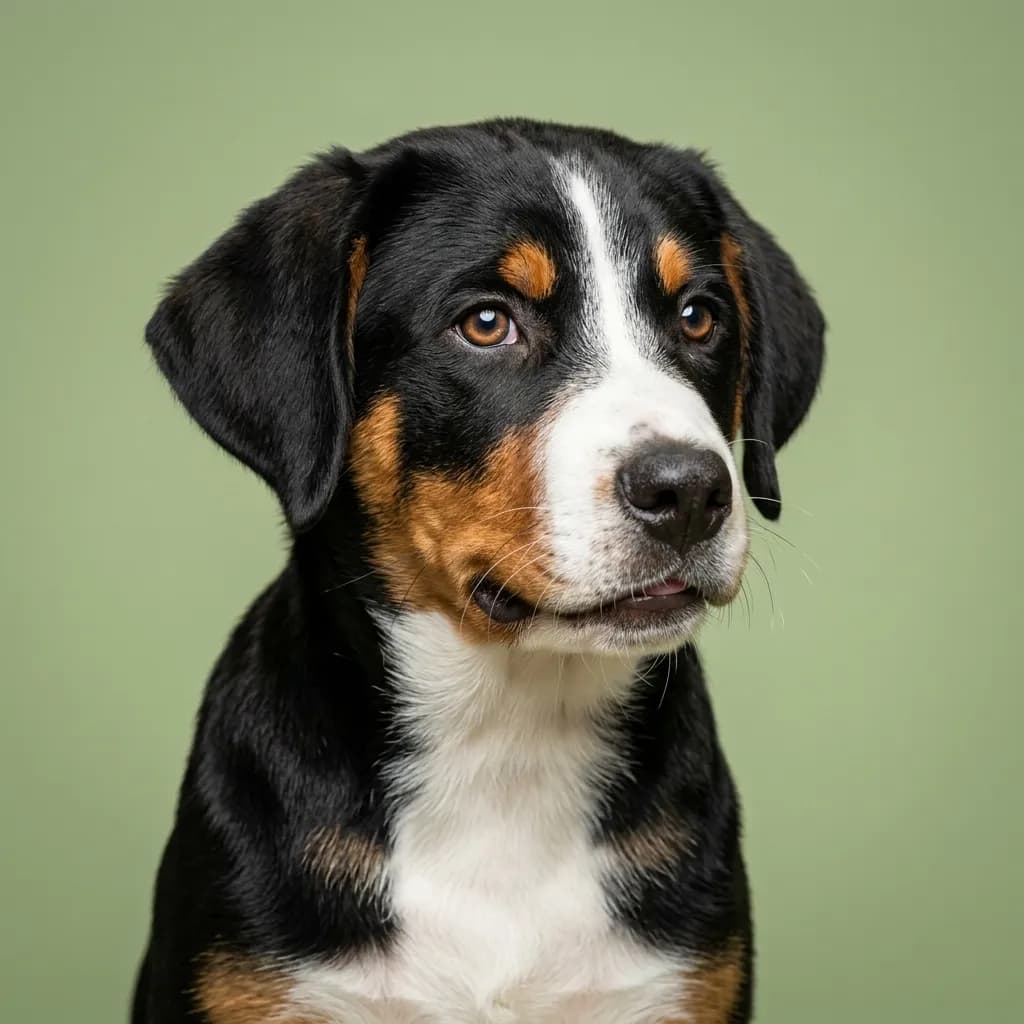
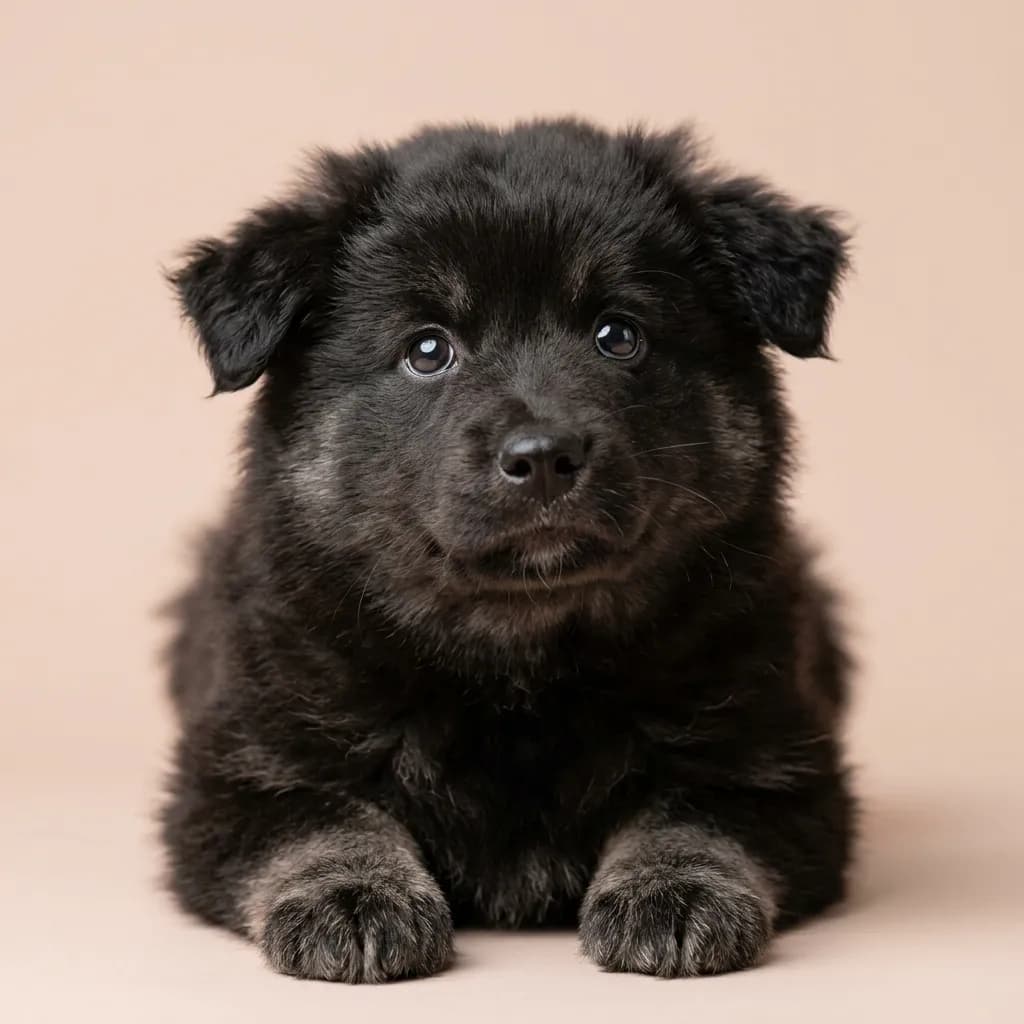
You’re probably comparing these two because you want a striking, active dog with a rich history. and you love the idea of a loyal companion that’s more than just a pretty face. But that’s where the similarity ends. The Greater Swiss Mountain Dog is your barn-raised, gentle giant. He’ll pull a cart, hike all day, and then sprawl across three dog beds because he forgets his size. He’s deeply devoted, great with kids, and thrives in cooler climates with room to move. But he’s not subtle. At 100+ pounds, he’s got a short lifespan for a big dog. 8 to 11 years. and bloat is a real concern. You’ll need a vet on speed dial and a big yard. The Swedish Lapphund is the nimble forest dancer. Lighter, livelier, built for agility and endurance in the Arctic cold. He’s smarter in a “let’s solve this together” way, with trainability that edges out the Swissy. He’s affectionate but a bit more independent, and he’ll bark at changes in the wind. Good with older kids, but not quite the push-button family dog you might assume. He lives longer. 12 to 14 years. and that’s meaningful when you’re committing to a decade of responsibility. Choose the Swissy if you want a calm, massive presence and don’t mind the health risks and space demands. Pick the Lapphund if you’re into dog sports, love a vocal partner, and live somewhere snowy. Here’s the real talk: the Swissy looks tough but is a softie inside. The Lapphund looks alert and wild but bonds quietly, deeply. One fills a yard. The other fills a soul.
Trait-by-trait
Higher bar = more of that trait. Shedding, barking, drooling, grooming flipped for readability.Where they diverge
Choose the Greater Swiss Mountain Dog if…
- Active families
- Draft and carting sports
- Rural or suburban living
- You value good with young children — Greater Swiss Mountain Dog scores noticeably higher.
Choose the Swedish Lapphund if…
- Active families
- Cold climate households
- Dog sports enthusiasts
- You value trainability — Swedish Lapphund scores higher here.