Hanoverian Scenthound vs Samoyed
Side-by-side comparison across all 14 AKC trait ratings, with a clear verdict on which breed fits which kind of household.
Not sure which breed fits your life?
Answer five questions about your home, your schedule, and your tolerance for shedding. We’ll match you to your top three breeds from over 200.
Hanoverian Scenthound vs Samoyed
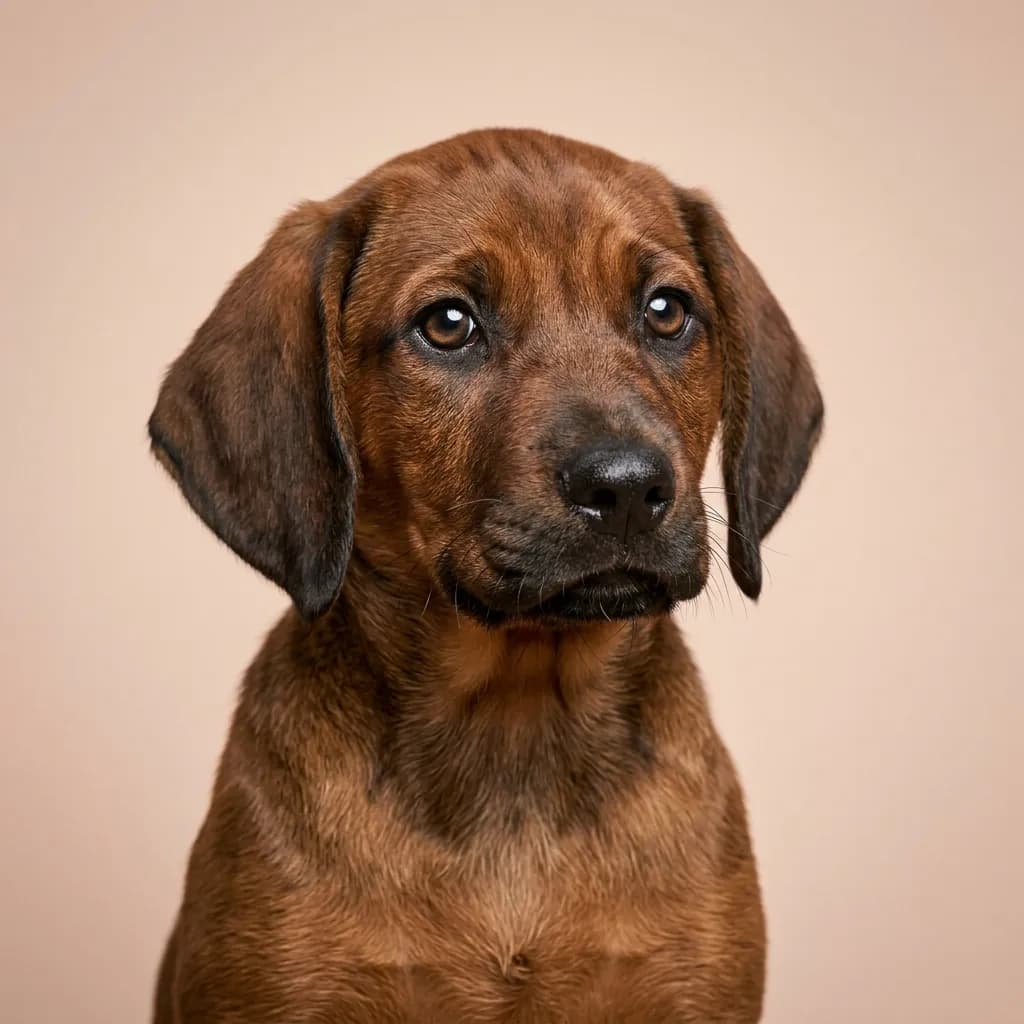
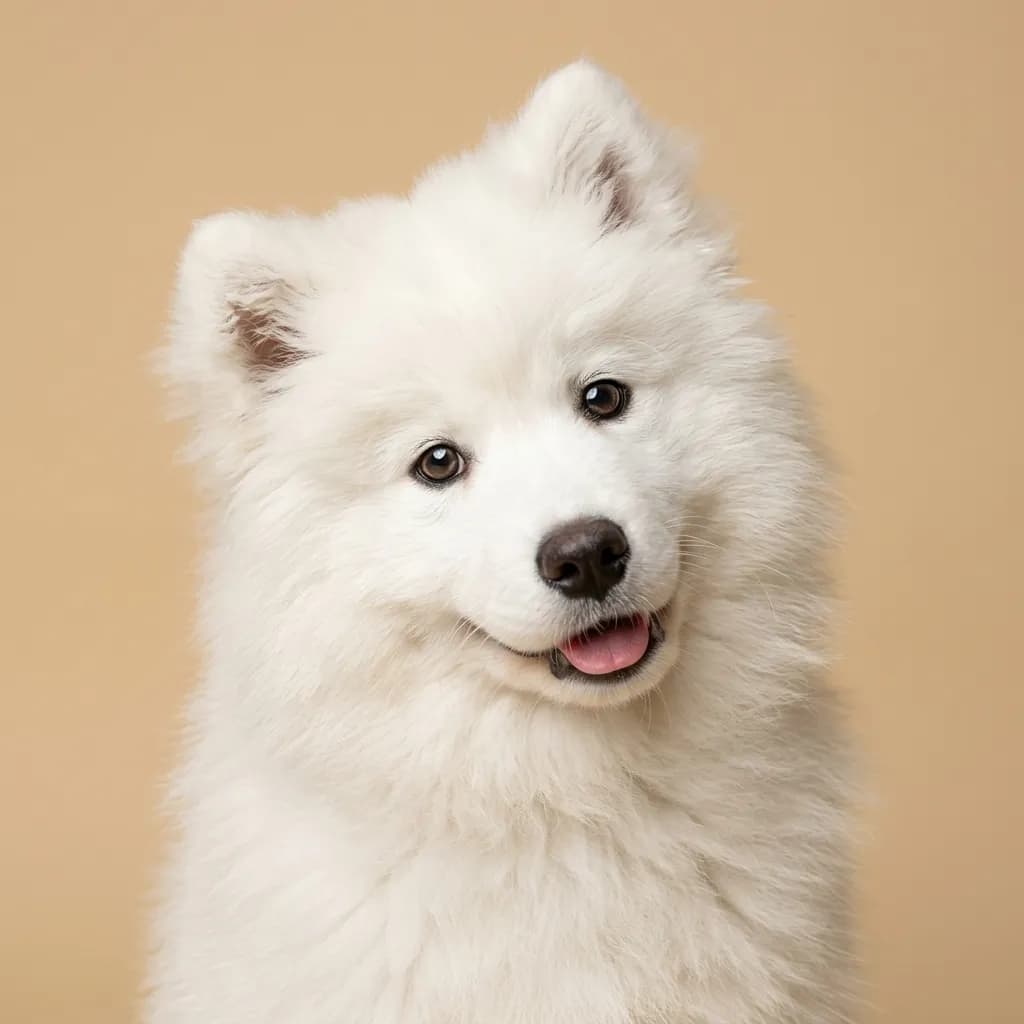
People compare the Hanoverian Scenthound and Samoyed because both are striking, medium-to-large dogs with thick coats and a loyal, affectionate nature. But that’s where the similarities end. One was built to vanish into the forest tracking wounded boar for hours. The other was bred to smile at your kids while pulling a sled through Arctic snow. If you're choosing between them, you’re really choosing between two entirely different relationships with a dog. The Hanoverian is a working machine with a singular focus. It’s calm at home but lights up when there’s a trail to follow. This isn’t a breed that lounges on the couch all day. it needs purpose. Without scent work or tracking, it’ll find its own job, like barking at squirrels or escaping the yard. It’s loyal and affectionate with its people but reserved with strangers and not especially playful with kids. You’ll need space, experience, and a tolerance for barking at 6 a.m. because it just caught a whiff of deer downwind. The Samoyed, in contrast, is a family-oriented extrovert. It thrives on interaction, whether it’s hiking, competing in dog sports, or just greeting everyone at the dog park. It’s more adaptable. can live in a suburban home or a cabin in the woods. but only if you commit to brushing its coat several times a week. And yes, it barks. A lot. Not out of aggression, but because it wants to be part of everything. Here’s the real difference no chart captures: the Hanoverian wants to work with you on a mission. The Samoyed wants to be with you, full stop. Pick the Scenthound if you hunt or track. Pick the Samoyed if you want a joyful, furry shadow who treats every family outing like a celebration.
Trait-by-trait
Higher bar = more of that trait. Shedding, barking, drooling, grooming flipped for readability.Where they diverge
Choose the Hanoverian Scenthound if…
- hunters and trackers
- experienced large-breed owners
- rural environments
- You value good with other dogs — Hanoverian Scenthound scores noticeably higher.
Choose the Samoyed if…
- Active families
- Cold climate households
- Dog sports enthusiasts
- You value good with young children — Samoyed scores higher here.