Hokkaido vs Russian Toy
Side-by-side comparison across all 14 AKC trait ratings, with a clear verdict on which breed fits which kind of household.
Not sure which breed fits your life?
Answer five questions about your home, your schedule, and your tolerance for shedding. We’ll match you to your top three breeds from over 200.
Hokkaido vs Russian Toy
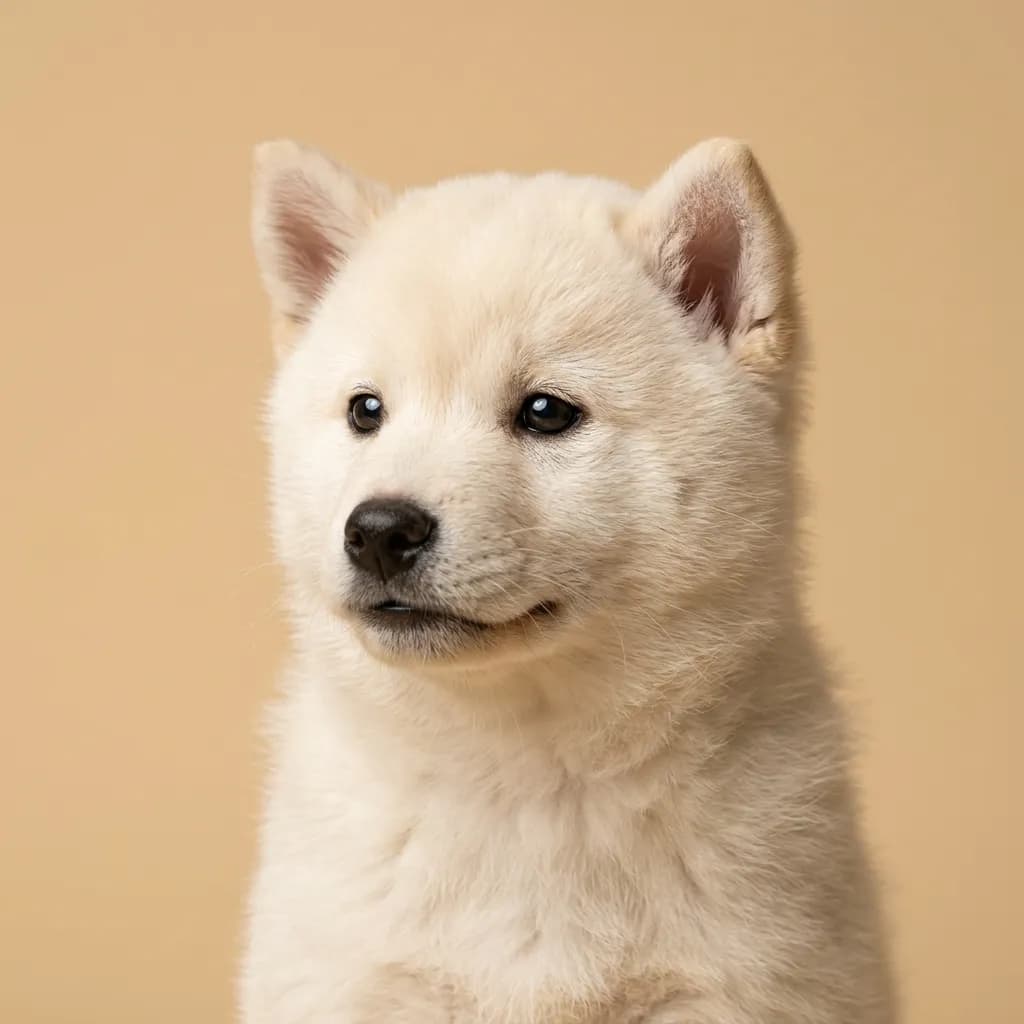
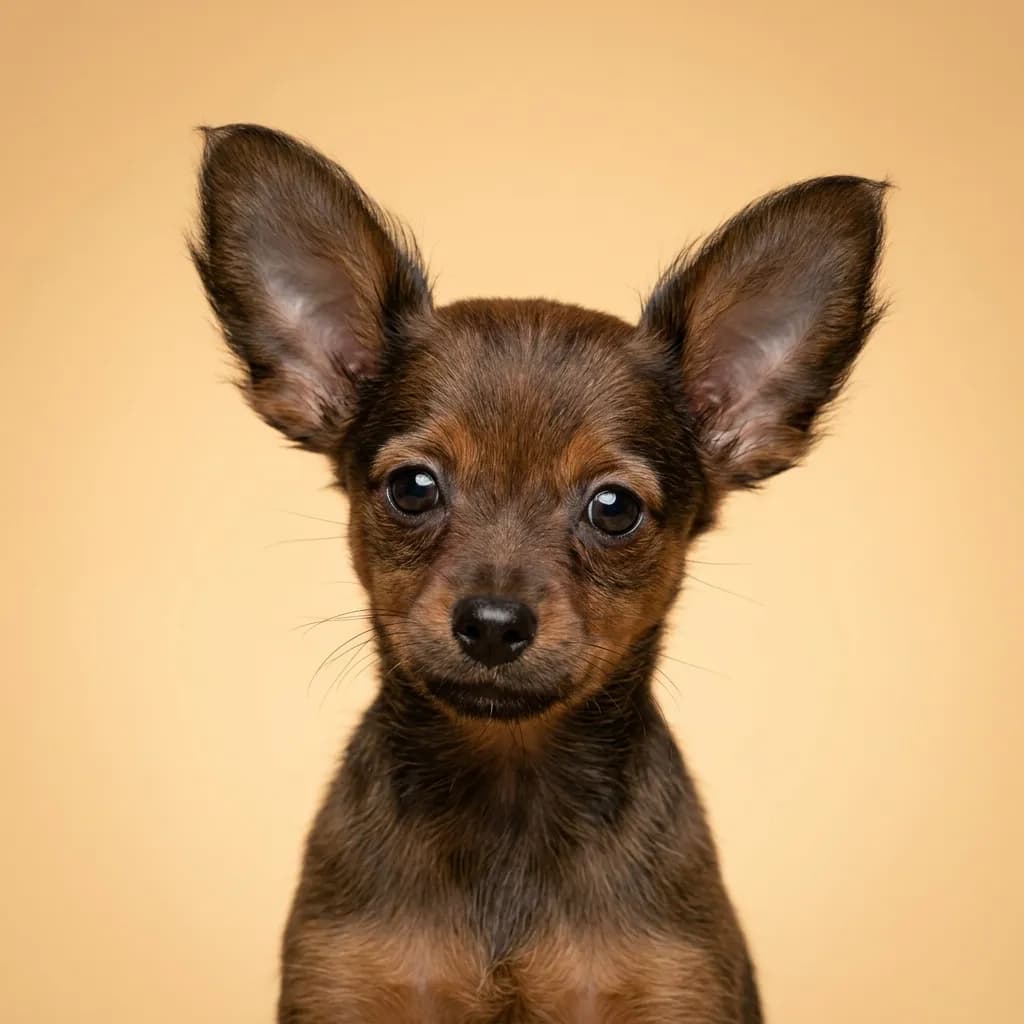
People compare the Hokkaido and Russian Toy because both are rare, deeply loyal, and carry an air of quiet dignity. but that’s where the resemblance ends. One was born in the snow-choked mountains of northern Japan, bred to trail bear in subzero winds. The other was pampered in the salons of 18th-century Russia, a pocket-sized charmer for nobles with lace cuffs and idle afternoons. If you’re choosing between them, you’re not just picking a dog. You’re deciding what kind of life you actually live. The Hokkaido is a working dog through and through. 45 pounds of muscle, focus, and quiet intensity. It thrives when it has a job, like hiking rugged trails or advanced obedience training. This isn’t a lap dog. It’s respectful with kids but not patient with chaos, and its need for mental stimulation means it’ll dismantle your shoe collection if bored. It does best with experienced owners who value calm devotion over constant affection. The Russian Toy, meanwhile, weighs less than a bowling ball and lives to orbit its person. It adapts to city life like it invented it, curling up on a windowsill while you work or trotting beside you on evening strolls. But don’t mistake its size for ease. this dog barks at shadows, snaps bones easily, and hates being left alone. It bonds fiercely, which means separation anxiety isn’t a maybe, it’s a guarantee. Here’s the real talk: the Hokkaido won’t smother you with kisses, but it’ll stand guard in a blizzard for you. The Russian Toy will follow you to the bathroom like a furry shadow, but panic if you work late twice a week. Pick the Hokkaido if your heart beats for the wild. Pick the Russian Toy if your home is your world. and you want a dog that treats you like its sun.
Trait-by-trait
Higher bar = more of that trait. Shedding, barking, drooling, grooming flipped for readability.Where they diverge
Choose the Hokkaido if…
- Experienced dog owners
- Active families
- Cold climates
- You value drooling level — Hokkaido scores noticeably higher.
Choose the Russian Toy if…
- Apartment living
- Seniors
- Owners wanting a devoted companion
- You value affectionate w/ family — Russian Toy scores higher here.