Hokkaido vs Russian Tsvetnaya Bolonka
Side-by-side comparison across all 14 AKC trait ratings, with a clear verdict on which breed fits which kind of household.
Not sure which breed fits your life?
Answer five questions about your home, your schedule, and your tolerance for shedding. We’ll match you to your top three breeds from over 200.
Hokkaido vs Russian Tsvetnaya Bolonka
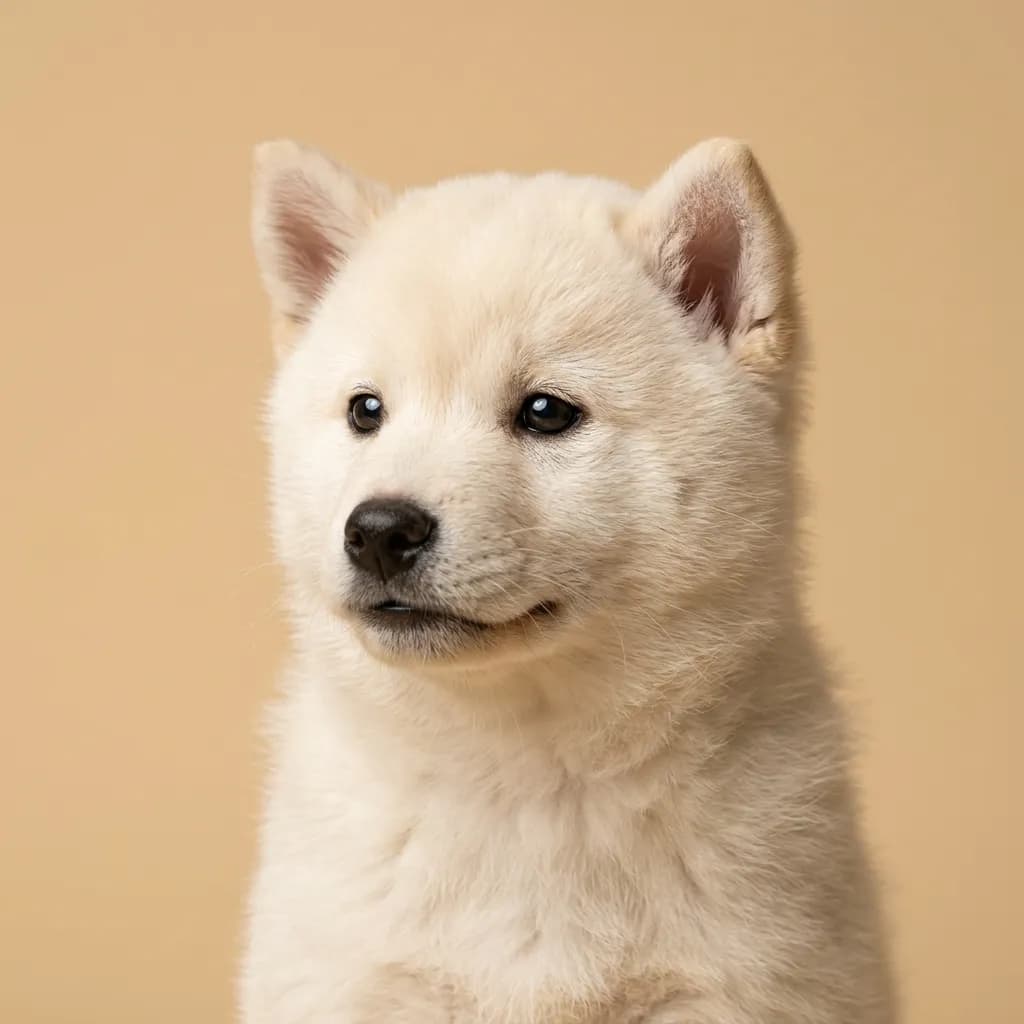
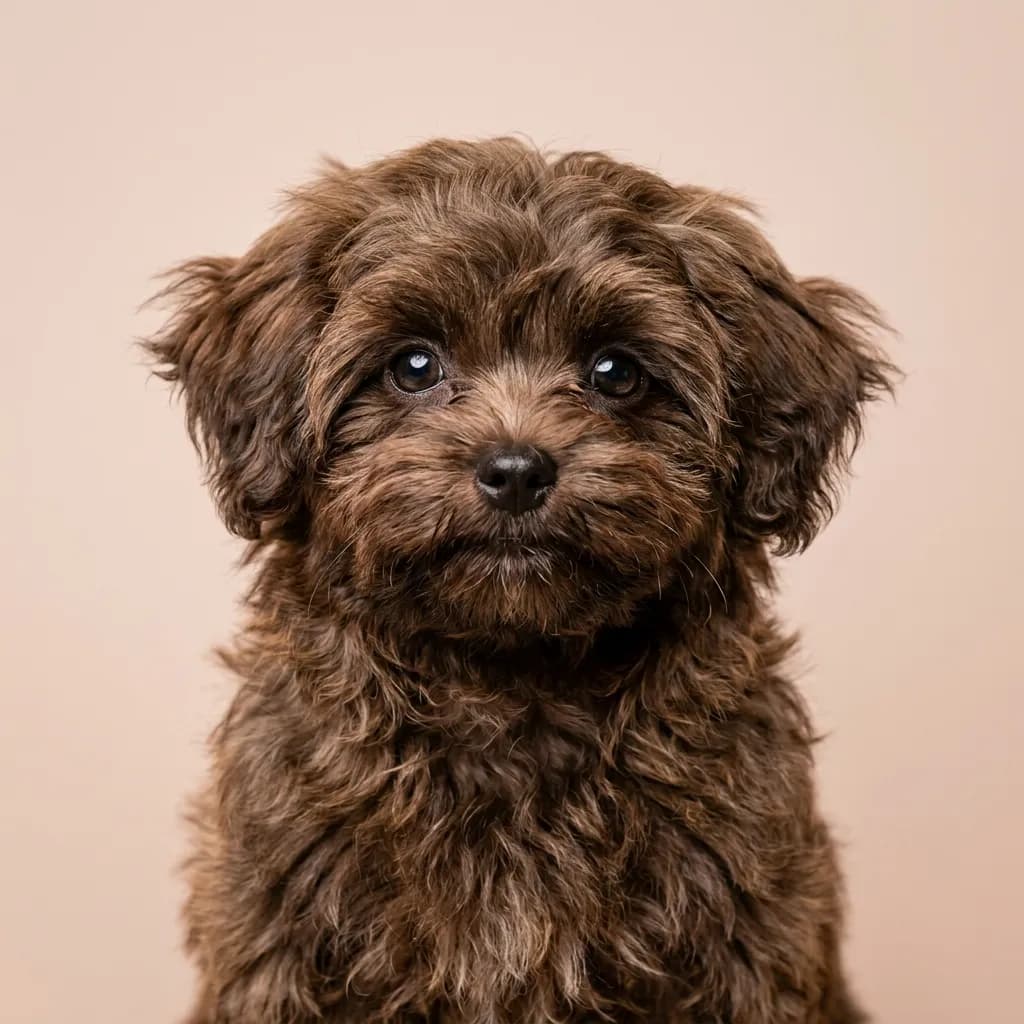
You’re probably not cross-shopping a Japanese mountain hunter and a Russian lapdog by accident. More likely, you’re drawn to both for their rarity and that spark of uniqueness. something off the beaten path. But here’s the real story: these dogs come from opposite ends of the dog world, and your lifestyle will decide which one actually fits. The Hokkaido is a rugged, weatherproof guardian bred to track bear in snow-covered forests. It’s loyal to the core, alert without being jumpy, and needs a handler who speaks dog fluently. This isn’t a breed that pleases to please; it respects consistency and purpose. You’ll need space, time outdoors, and the patience to work with its independent thinking. It sheds seasonally and isn’t ideal for tiny apartments or first-time owners. Meanwhile, the Russian Tsvetnaya Bolonka is a soft, curly companion built for closeness. Think velvet ears and a clownish grin, a dog that thrives on being part of your quiet evening or morning coffee ritual. It’s adaptable to city life and adores affection, but don’t be fooled by its toy size. it barks with opinion and needs grooming weekly, not occasionally. It’s not built for roughhousing with young kids or long solo days. Here’s what the data won’t tell you: the Hokkaido bonds deeply but on its terms, while the Bolonka will love everyone in the room equally. sometimes too much. If you want a dog that feels like a silent partner in adventure, go Hokkaido. If you want a warm, witty shadow who lives for your presence, the Bolonka will steal your heart. and probably your pillow.
Trait-by-trait
Higher bar = more of that trait. Shedding, barking, drooling, grooming flipped for readability.Where they diverge
Choose the Hokkaido if…
- Experienced dog owners
- Active families
- Cold climates
- You value shedding level — Hokkaido scores noticeably higher.
Choose the Russian Tsvetnaya Bolonka if…
- Apartment living
- Seniors
- Families with gentle children
- You value playfulness — Russian Tsvetnaya Bolonka scores higher here.