Japanese Spitz vs Slovensky Cuvac
Side-by-side comparison across all 14 AKC trait ratings, with a clear verdict on which breed fits which kind of household.
Not sure which breed fits your life?
Answer five questions about your home, your schedule, and your tolerance for shedding. We’ll match you to your top three breeds from over 200.
Japanese Spitz vs Slovensky Cuvac
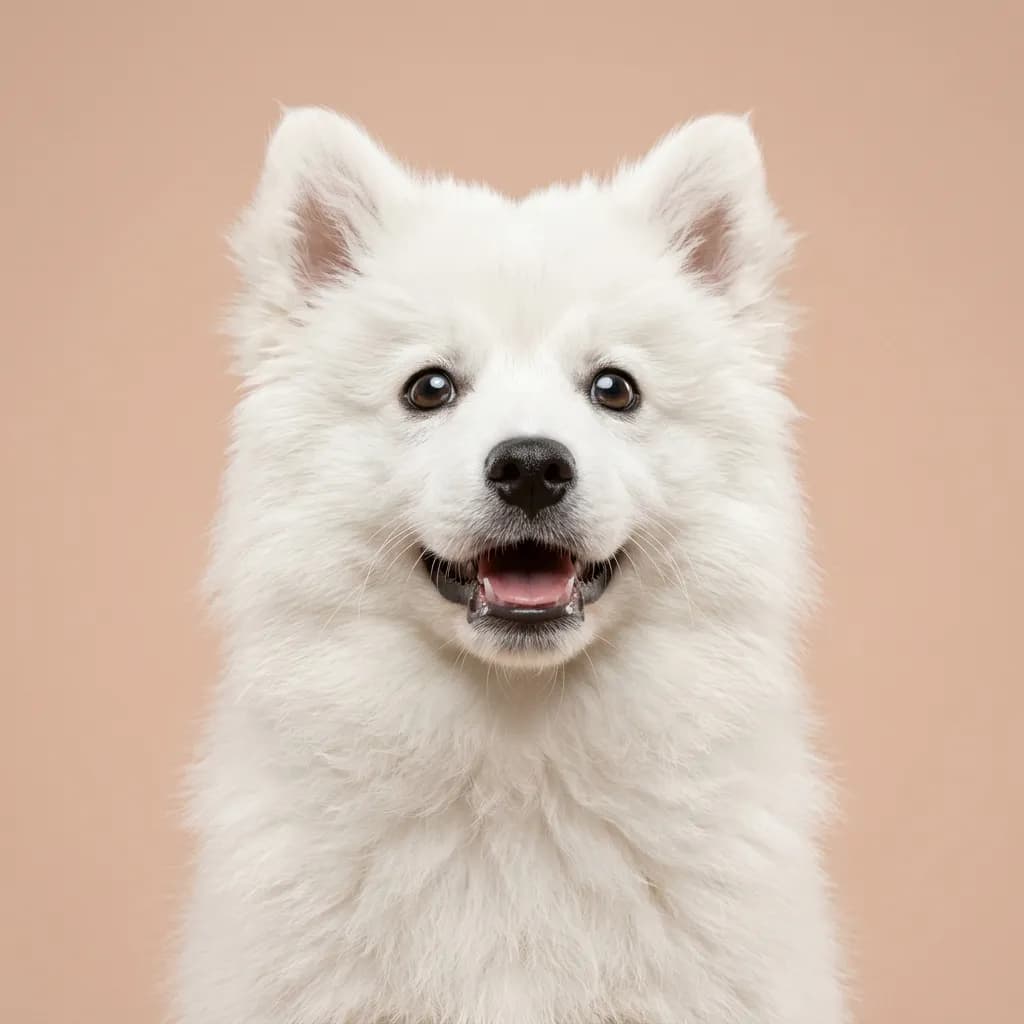
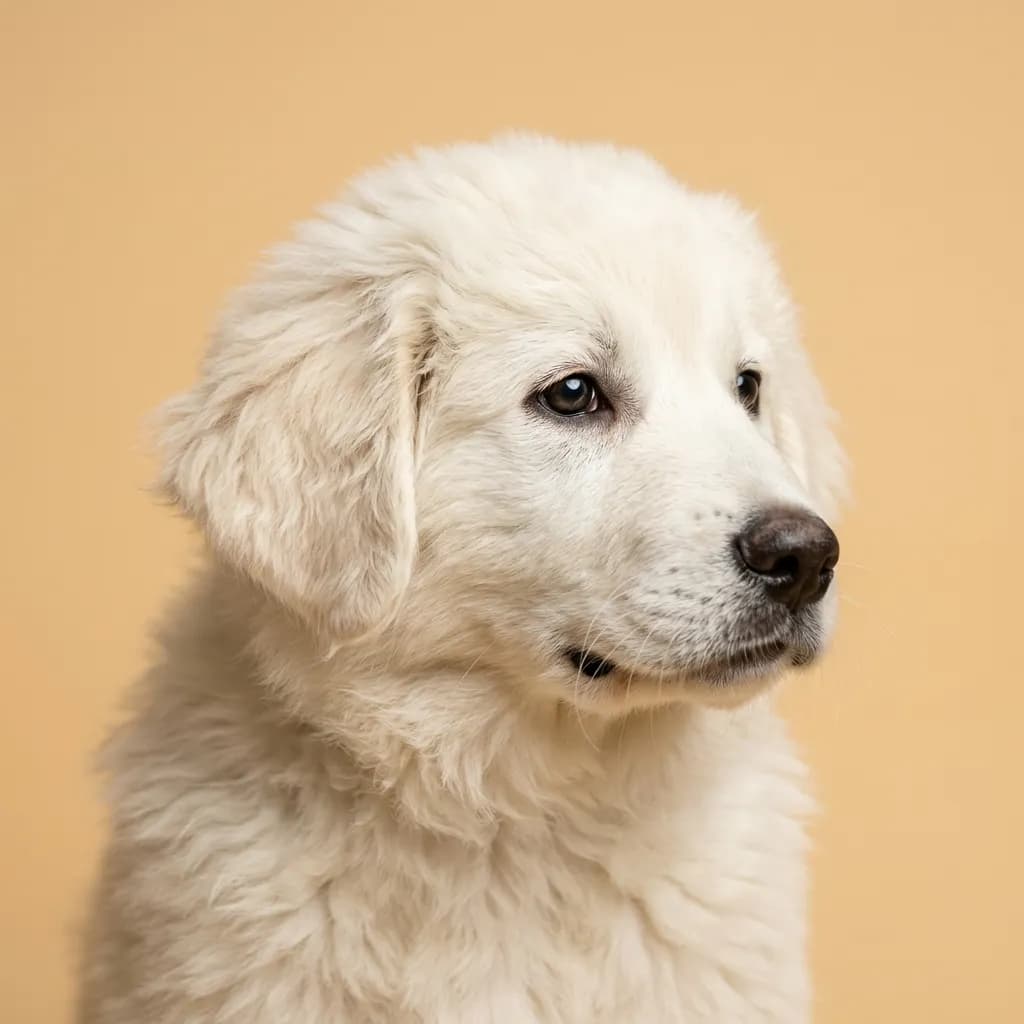
You don’t see people tossing up between a Japanese Spitz and a Slovensky Cuvac every day. But when they do, it’s usually because they want a white, fluffy dog that feels like a living cloud. That’s where the similarities end. these two aren’t just different breeds, they’re different lifestyles wrapped in fur. The Japanese Spitz is your cheerful, compact companion, built for city living and morning cuddles on the couch. At 10 to 25 pounds, it’s the kind of dog that fits in a tote bag at the farmers market. playful, alert, and always tuned into your vibe. It’s loyal to its people and adapts well to apartments, but don’t be fooled by its glam coat. That fluff sheds, and the tear staining around its eyes means weekly wipe-downs if you want it looking pristine. It’s a first-time owner friendly dog, but only if you’re okay with moderate barking and a face that’s always slightly damp. Then there’s the Cuvac. a mountain-sized guardian from Slovakia, tipping the scales at nearly 100 pounds. This dog isn’t for companionship in the cozy sense. It’s bred to stand alone in snowy pastures, watching for wolves. Calm around home but deeply suspicious of strangers, it’s not the sort to greet your guests with wags. It needs space, cold weather, and a job to feel fulfilled. You don’t own a Cuvac. You manage it. And if you live in a townhouse or hate vacuuming, this isn’t your dog. Here’s the real talk: both are white, both require grooming, but the Spitz wants to be your shadow. The Cuvac will tolerate you. but only if you’ve earned it. Pick the Spitz if you want a portable best friend. Pick the Cuvac if you’re ready to be a steward of a living fortress.
Trait-by-trait
Higher bar = more of that trait. Shedding, barking, drooling, grooming flipped for readability.Where they diverge
Choose the Japanese Spitz if…
- Apartment dwellers
- Families with children
- First-time owners
- You value adaptability — Japanese Spitz scores noticeably higher.
Choose the Slovensky Cuvac if…
- experienced large-breed owners
- farms and large properties
- cold climates
- You value drooling level — Slovensky Cuvac scores higher here.