Keeshond vs Tornjak
Side-by-side comparison across all 14 AKC trait ratings, with a clear verdict on which breed fits which kind of household.
Not sure which breed fits your life?
Answer five questions about your home, your schedule, and your tolerance for shedding. We’ll match you to your top three breeds from over 200.
Keeshond vs Tornjak
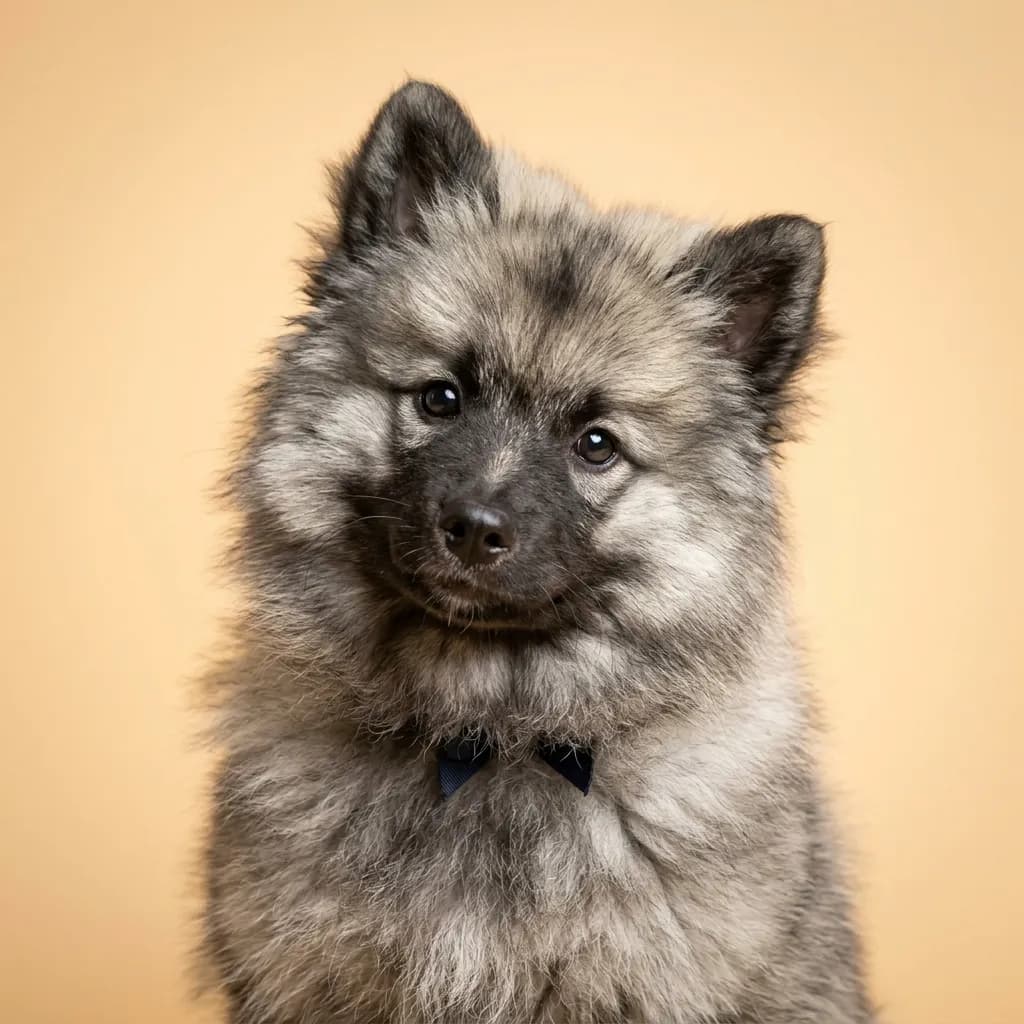
People don’t usually pit the fluffy Keeshond against the massive Tornjak, but if you're drawn to big, white, thick-coated dogs with a watchful streak, it’s an easy mental leap. Both look like they belong in a snowstorm and carry themselves with quiet dignity. But that’s where the similarity ends. Choosing between them isn’t just preference, it’s lifestyle. The Keeshond is the social butterfly of the two. At 40 pounds, he’s compact enough for a suburban home and thrives on family interaction. He’ll greet your kids after school like a long-lost best friend, learn tricks fast, and bark at every delivery truck. sometimes just for the sound of his own voice. He wants to be involved in everything, and if you’re gone too long, he’ll let you know. His shedding is manageable with weekly brushing, and he adapts well to city life as long as you give him walks and mental games. The Tornjak? He’s not a pet in the traditional sense. He’s a guardian. At 80 to 100 pounds, with a deep bark and a cautious nature around strangers, he’s built for wide-open spaces and serious responsibility. He won’t follow commands as eagerly, and he won’t cozy up to every child he meets. He’s loyal to his family but reserved by design. You don’t train a Tornjak so much as earn his cooperation. This isn’t a dog for apartment living or casual ownership. Here’s the real insight: the Keeshond wants to be your emotional companion. The Tornjak sees himself as your property’s silent protector. One is a teammate in daily life. The other is a steward of territory. Pick based on whether you want a dog who mirrors your energy or one who stands between your home and the outside world.
Trait-by-trait
Higher bar = more of that trait. Shedding, barking, drooling, grooming flipped for readability.Where they diverge
Choose the Keeshond if…
- Families with children
- Active owners
- Cold climates
- You value good with other dogs — Keeshond scores noticeably higher.
Choose the Tornjak if…
- Experienced large-breed owners
- Farm or rural settings
- Livestock guardian needs
- You value shedding level — Tornjak scores higher here.