Newfoundland vs Norwegian Lundehund
Side-by-side comparison across all 14 AKC trait ratings, with a clear verdict on which breed fits which kind of household.
Not sure which breed fits your life?
Answer five questions about your home, your schedule, and your tolerance for shedding. We’ll match you to your top three breeds from over 200.
Newfoundland vs Norwegian Lundehund
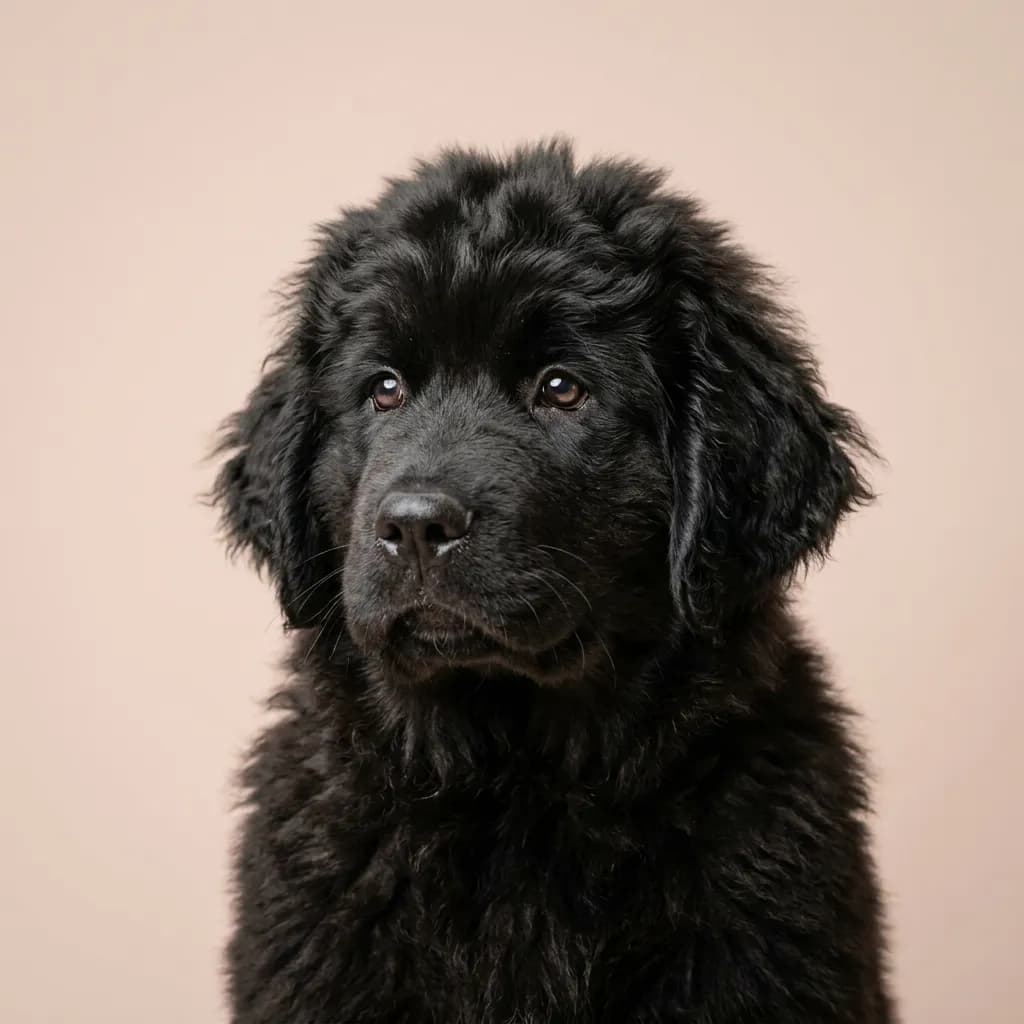
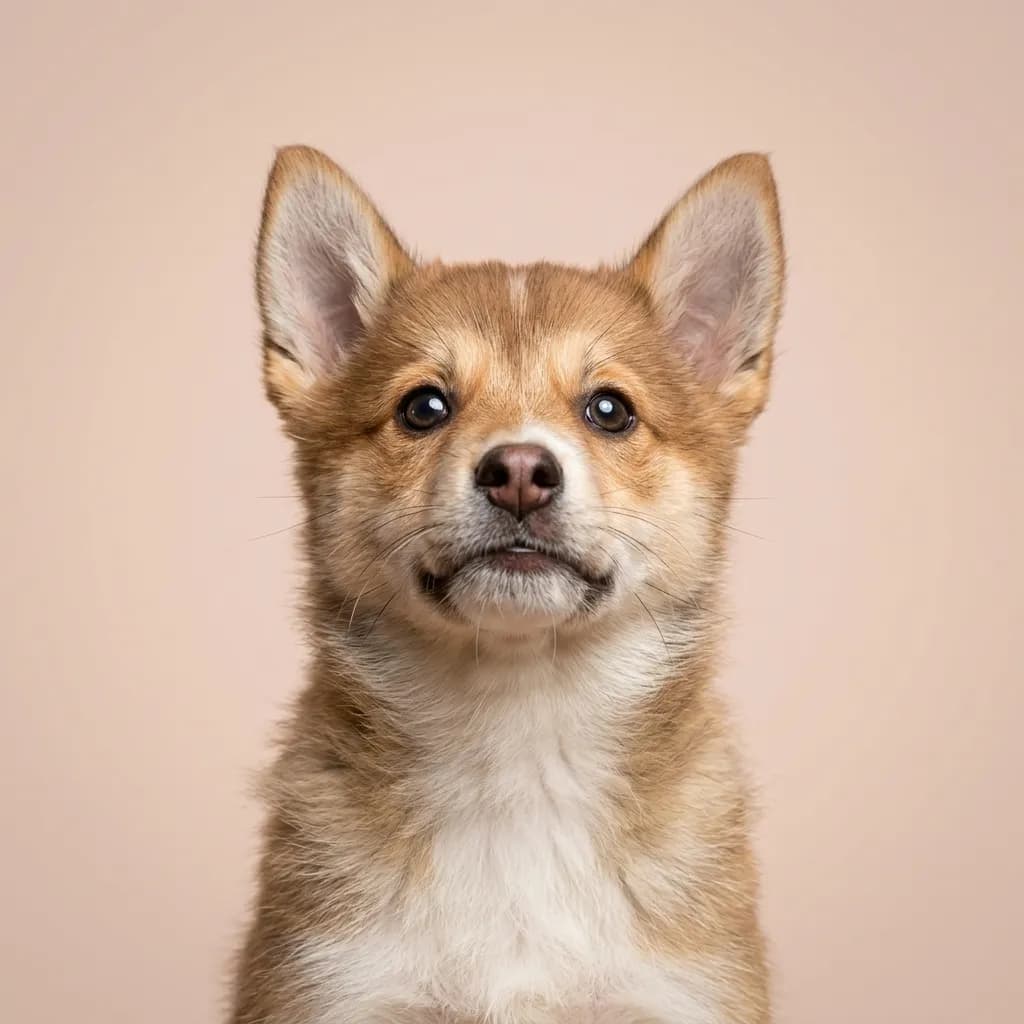
You’re not actually comparing these two. You’re wondering if you want a gentle giant or a living fossil. The Newfoundland and Norwegian Lundehund rarely end up side by side unless someone’s deep in the dog world and running out of options. But here’s the real story. The Newfoundland is the dog that swims out in rough seas to drag people to safety. It’s calm, massive, and built for cold water and colder hearts that need softening. You’ll need a truck, a drool towel, and a yard that drains well because this dog sheds like a woolly mammoth and loves to be wet. It’s magic with kids, patient like a saint, and will lean on you like a 130-pound emotional support bear. But bloat is a real threat, and you’ve got to feed it carefully. This dog is for families who live near lakes, love the outdoors, and don’t mind grooming as a twice-weekly ritual. The Lundehund? This dog climbs cliffs sideways. Literally. It was bred to shimmy into puffin nests on rocky ledges, and it can bend its head backward to touch its spine. It’s alert, quirky, and not especially eager to please. It’s loyal but reserved, energetic but not a powerhouse athlete. Not a kid’s dog. Not a couch potato either. And it comes with a fragile digestive system. Lundehund Syndrome is no joke. You’ll spend more time with your vet than you’d like. The real insight? The Newfoundland gives you everything you expect from a dog, just bigger. The Lundehund gives you a dog that feels like a secret. Pick the Newfoundland if you want love you can hold. Pick the Lundehund if you want a mystery you can’t solve.
Trait-by-trait
Higher bar = more of that trait. Shedding, barking, drooling, grooming flipped for readability.Where they diverge
Choose the Newfoundland if…
- Families with children
- Water and outdoor enthusiasts
- Those wanting a gentle giant
- You value drooling level — Newfoundland scores noticeably higher.
Choose the Norwegian Lundehund if…
- Experienced dog owners
- Those interested in rare breeds
- Active families
- You value barking level — Norwegian Lundehund scores higher here.