Norwegian Lundehund vs Russian Tsvetnaya Bolonka
Side-by-side comparison across all 14 AKC trait ratings, with a clear verdict on which breed fits which kind of household.
Not sure which breed fits your life?
Answer five questions about your home, your schedule, and your tolerance for shedding. We’ll match you to your top three breeds from over 200.
Norwegian Lundehund vs Russian Tsvetnaya Bolonka
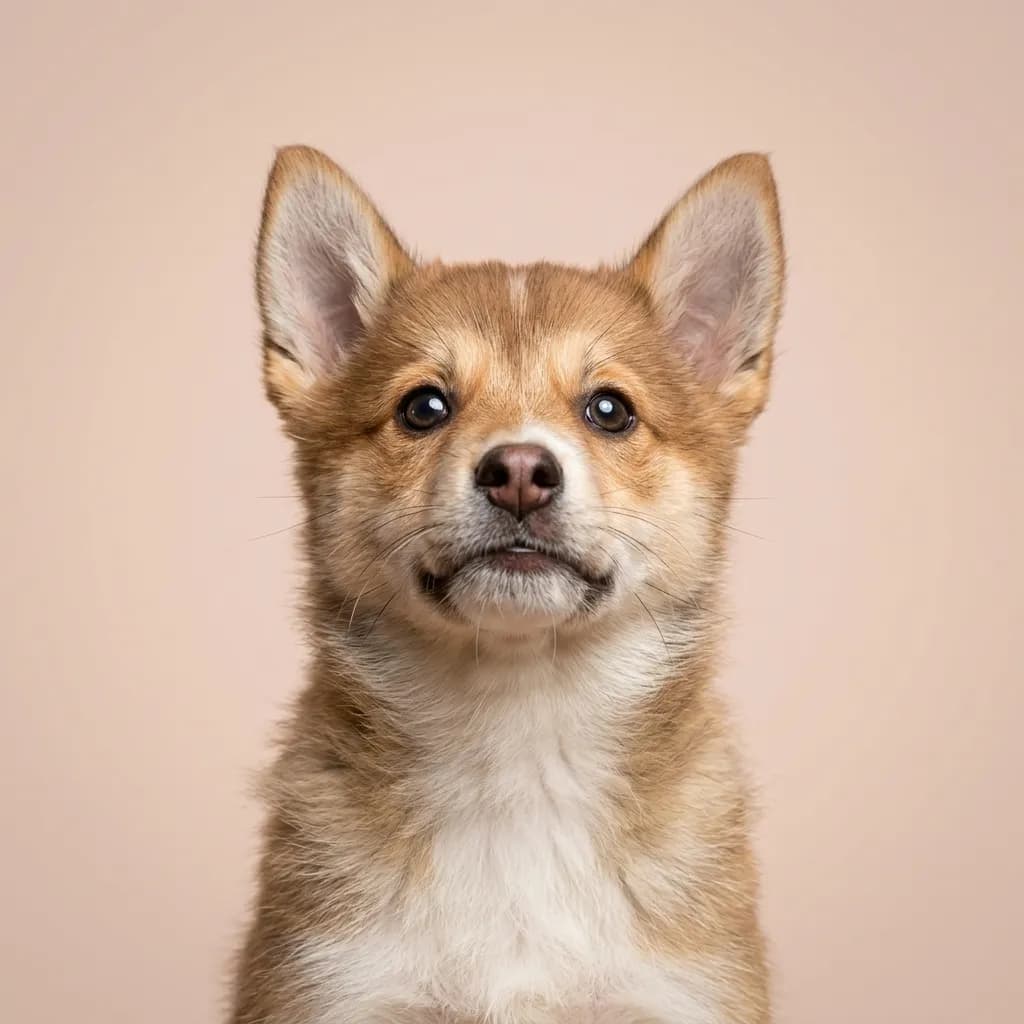
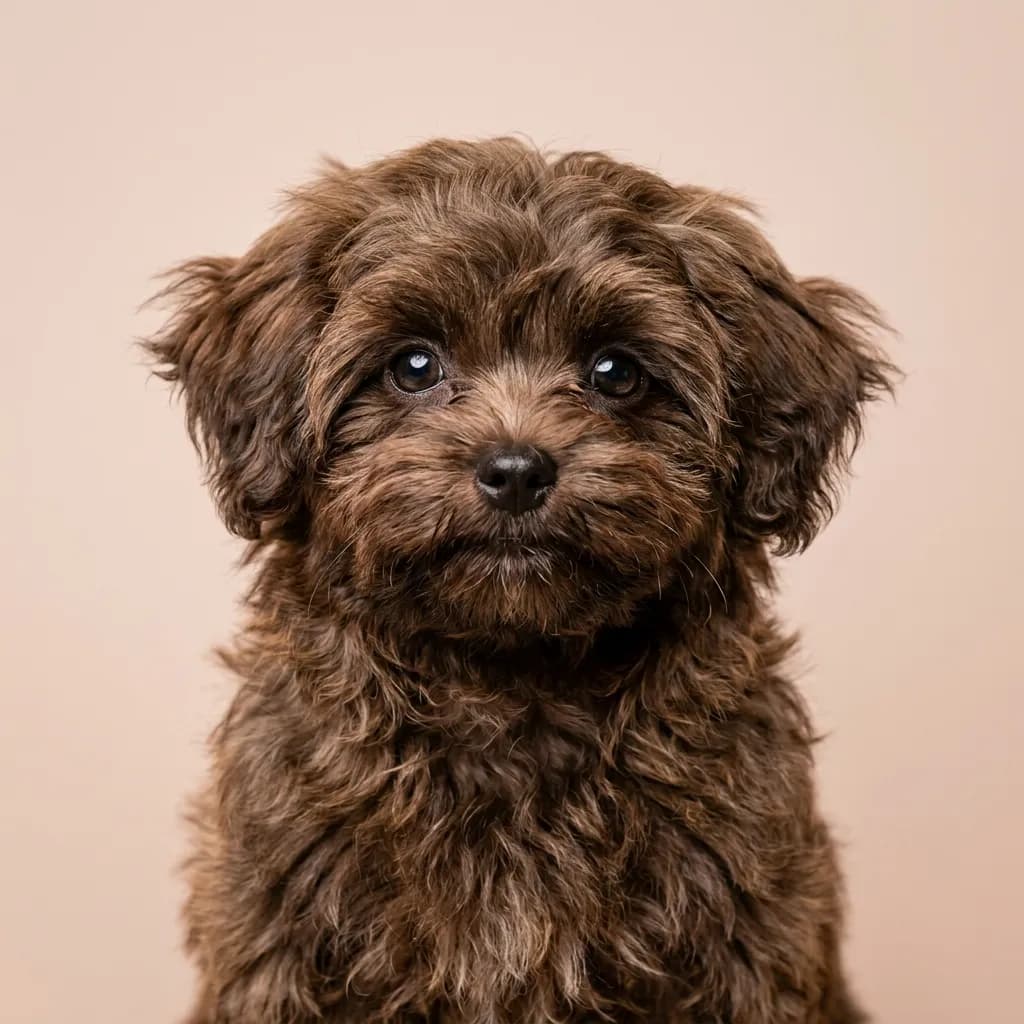
You don’t stumble into either of these breeds by accident. People compare them because they’re both rare, both non-sporting, and both price-tagged like designer handbags. But that’s where the similarities crumble. The Norwegian Lundehund and the Russian Tsvetnaya Bolonka are built for entirely different lives. and entirely different people. Picture the Lundehund: a rugged little climber from the wind-battered cliffs of Norway, built with six toes and joints that fold like a gymnast’s. It was bred to squeeze into puffin burrows on near-vertical rock faces. That means it’s agile, independent, and a bit of a puzzle to train. It’s loyal, sure, but it’s not looking to please you above all else. You’ll need patience, vet knowledge (Lundehund syndrome is no joke), and a home ready for a dog that thrives on mental and physical challenge. Now, the Bolonka. Imagine a tiny, silky cloud with ears that flop just right. It was made for laps, not cliffs. This is the dog that wants to be with you. constantly. It’s cheerful, trainable, and adapts to apartments, road trips, or your home office. Minimal shedding makes it a go-to for allergy sufferers, but that coat needs daily brushing. And while it’s playful, it’s not self-sufficient. Leave it alone too long and it’ll turn anxious. The real difference? The Lundehund is a specialist. The Bolonka is a companion. If you want a dog that’s part explorer, part enigma, and don’t mind being a de facto vet researcher, go Lundehund. If you want a velcro dog who’ll charm everyone in your building and curl up like a warm sigh, pick the Bolonka. Here’s the truth the breeders won’t lead with: the Lundehund’s stubbornness isn’t a flaw. It’s survival instinct. And the Bolonka’s clinginess? It’s not neediness. It’s loyalty in its purest form.
Trait-by-trait
Higher bar = more of that trait. Shedding, barking, drooling, grooming flipped for readability.Where they diverge
Choose the Norwegian Lundehund if…
- Experienced dog owners
- Those interested in rare breeds
- Active families
- You value shedding level — Norwegian Lundehund scores noticeably higher.
Choose the Russian Tsvetnaya Bolonka if…
- Apartment living
- Seniors
- Families with gentle children
- You value affectionate w/ family — Russian Tsvetnaya Bolonka scores higher here.