Otterhound vs Pudelpointer
Side-by-side comparison across all 14 AKC trait ratings, with a clear verdict on which breed fits which kind of household.
Not sure which breed fits your life?
Answer five questions about your home, your schedule, and your tolerance for shedding. We’ll match you to your top three breeds from over 200.
Otterhound vs Pudelpointer
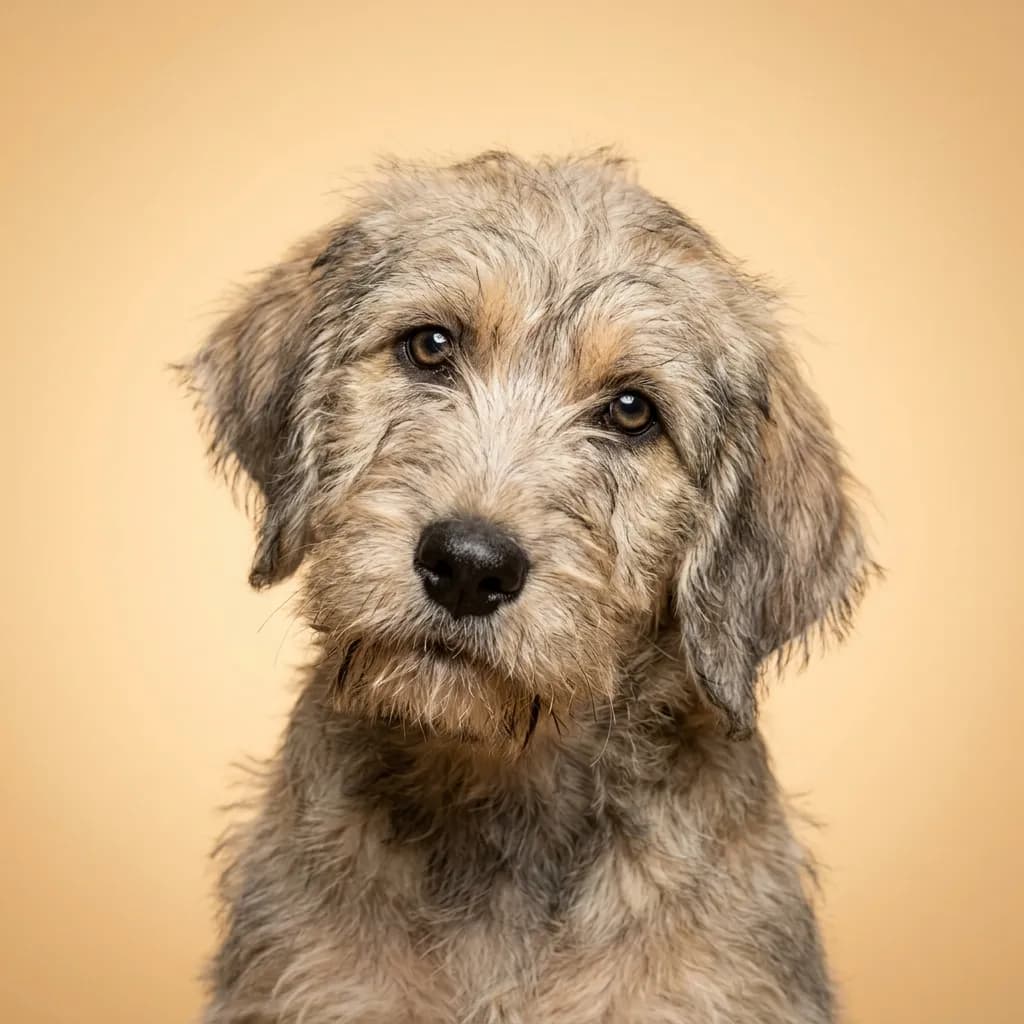
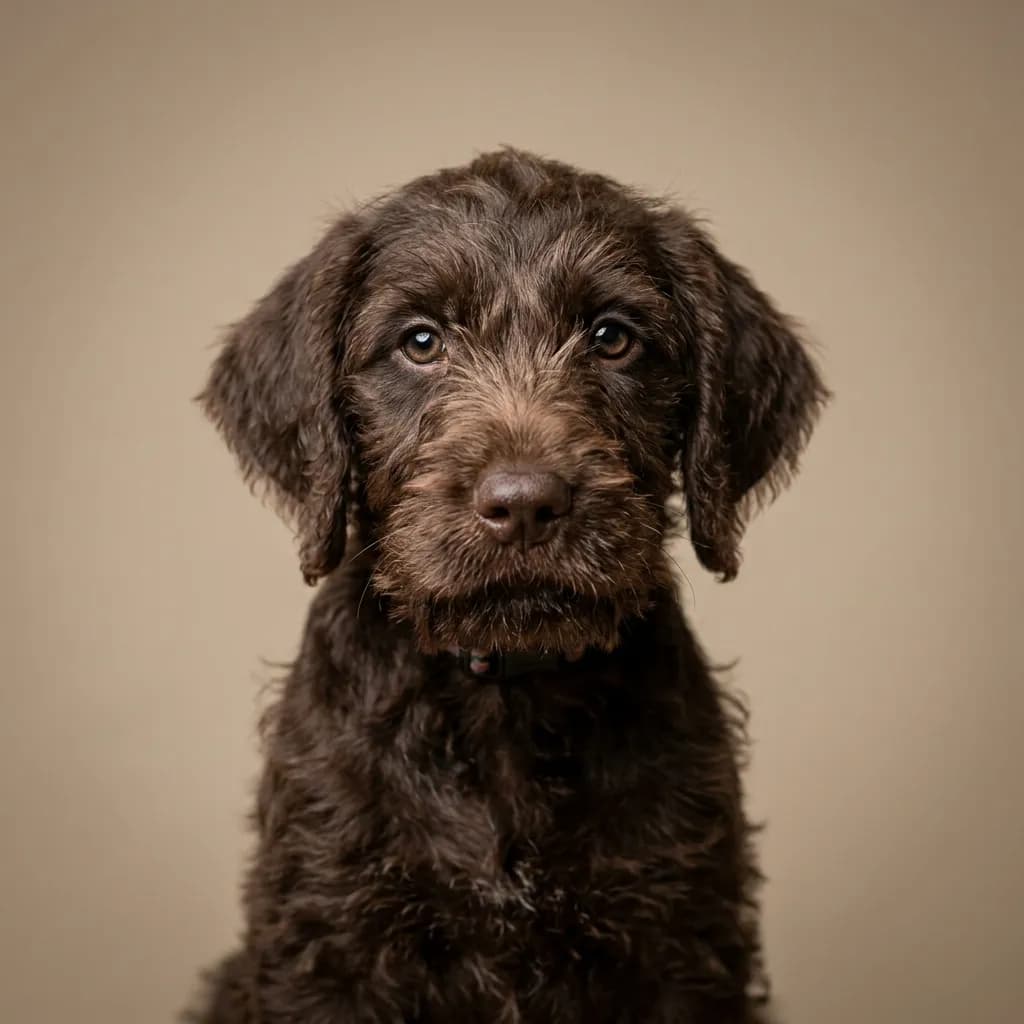
You don’t see a lot of Otterhounds or Pudelpointers at dog parks, so if you’re comparing them, you’ve probably already done some digging and are drawn to rare, working dogs with serious outdoor chops. People pit them against each other because both are water-loving, scruffy-haired gundogs built for hunters, yet they come from opposite ends of the dog world. one’s a quirky British relic, the other a precision German cross. The Otterhound is the big, boisterous romantic. You’ll know one by the shaggy coat, the loud bay that carries for miles, and the drool that comes with love. At 100+ pounds, they’re massive, built for clambering over river rocks and swimming in cold streams. They’re affectionate to a fault and will lean on you like a wet, bearded cousin after a swim. But that bark? It’s relentless. And their recall? Forget it. If your yard isn’t fenced and your neighbors are close, this isn’t the dog. The Pudelpointer is leaner, quieter, and laser-focused when working. Bred from Poodles and Pointers, they’re smart, biddable, and thrive on tasks. You’ll see them pointing birds, diving for ducks, or hiking 20 miles without complaint. They’re easier to train and less smelly than the Otterhound, but they demand purpose. No hunting? You’d better have agility, tracking, or long-distance trail runs. Here’s the real talk: Otterhounds are lovable disasters. charming, loud, and stubborn. Pudelpointers are efficient athletes who’ll go stir-crazy without a job. Pick the Otterhound if you want a goofy, affectionate giant and don’t mind chaos. Pick the Pudelpointer if you’re an active hunter or athlete who wants a partner, not just a pet. One’s a character. The other’s a co-pilot.
Trait-by-trait
Higher bar = more of that trait. Shedding, barking, drooling, grooming flipped for readability.Where they diverge
Choose the Otterhound if…
- Active families
- Rural settings
- Outdoor and swimming enthusiasts
- You value barking level — Otterhound scores noticeably higher.
Choose the Pudelpointer if…
- hunters
- very active owners
- waterfowl and upland bird hunters
- You value shedding level — Pudelpointer scores higher here.