Pumi vs Russian Toy
Side-by-side comparison across all 14 AKC trait ratings, with a clear verdict on which breed fits which kind of household.

Not sure which breed fits your life?
Answer five questions about your home, your schedule, and your tolerance for shedding. We’ll match you to your top three breeds from over 200.
Pumi vs Russian Toy
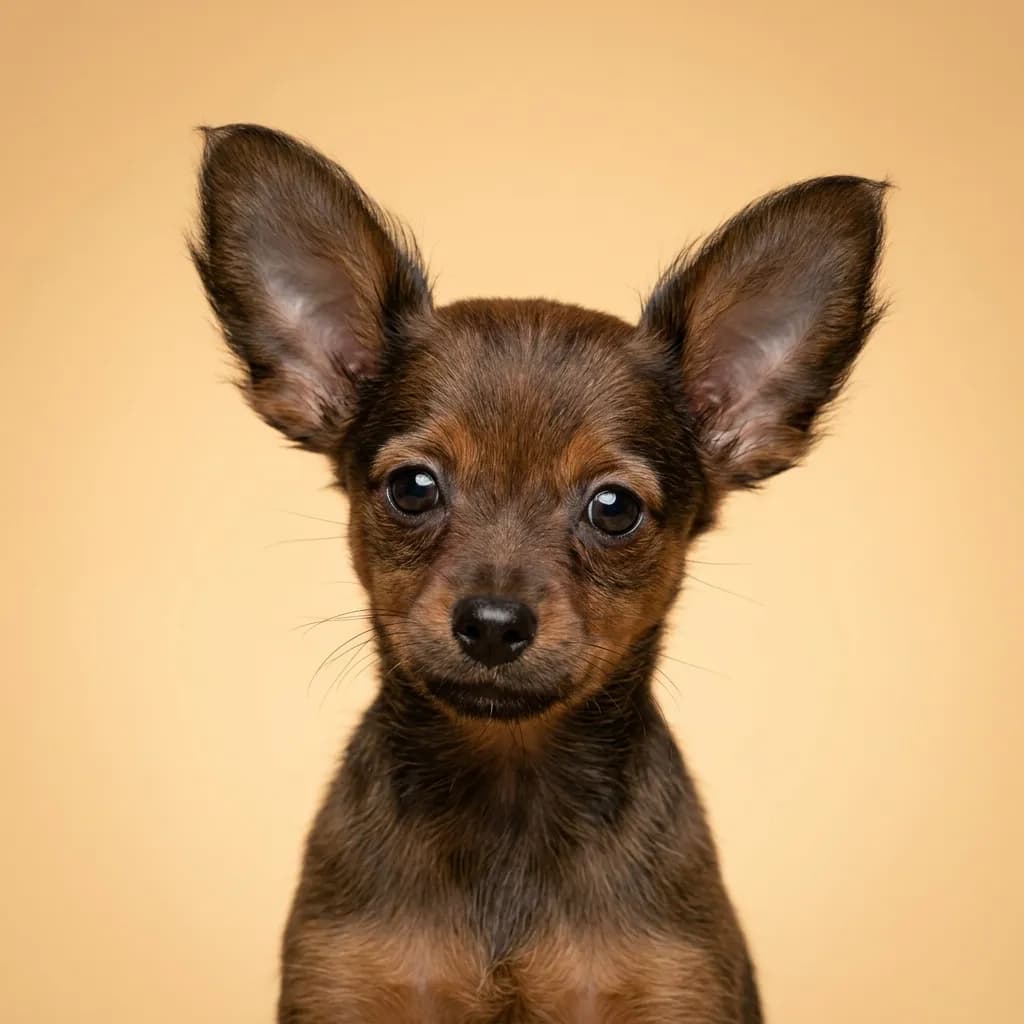
You might wonder why anyone would compare a Pumi and a Russian Toy—on paper, they’re worlds apart. But I get it. Both are rare, both are whip-smart, and both have that intense, almost human-like gaze that locks onto their person. People find themselves choosing between them when they want something unusual, loyal, and low-shedding, but they’re torn between a dog that wants to do something all day and one that just wants to be with you doing nothing. The Pumi is a tornado in dog form. At 29 pounds and built like a spring coil, this Hungarian herder needs jobs, puzzles, agility courses, or at least a five-mile hike before lunch. You’ll love their energy and devotion if you’re already planning weekend dog sports trials. But don’t even think about this breed if you work 9-to-5 and call that a day. They’re affectionate, yes, but they demand mental stimulation like most dogs demand treats. Now, the Russian Toy? It’s the quiet drama queen curled up in your lap during Zoom meetings. Barely tipping the scales at 6 pounds, this tiny aristocrat thrives in apartments and bonds fiercely to one person. They’re smart, yes, but don’t expect the same drive. Their barking can surprise you—not out of aggression, but because they notice every footstep in the hallway. They’re fragile, too. A misstep, a loose leash near a sidewalk, and you’re in the ER for a fracture. Here’s the real talk: the Pumi will change your lifestyle. The Russian Toy will fit into it—until they start barking at shadows and need your constant reassurance. Pick the Pumi if you want a partner in adventure. Pick the Russian Toy if you want a living stuffed animal with opinions. And whichever you choose, know that both will stare into your soul like they’re the only ones who truly get you.
Trait-by-trait
Higher bar = more of that trait. Shedding, barking, drooling, grooming flipped for readability.Where they diverge
Choose the Pumi if…
- Active owners
- Dog sports enthusiasts
- Experienced herding breed owners
- You value energy level — Pumi scores noticeably higher.
Choose the Russian Toy if…
- Apartment living
- Seniors
- Owners wanting a devoted companion
- You value shedding level — Russian Toy scores higher here.