Samoyed vs Schapendoes
Side-by-side comparison across all 14 AKC trait ratings, with a clear verdict on which breed fits which kind of household.

Not sure which breed fits your life?
Answer five questions about your home, your schedule, and your tolerance for shedding. We’ll match you to your top three breeds from over 200.
Samoyed vs Schapendoes
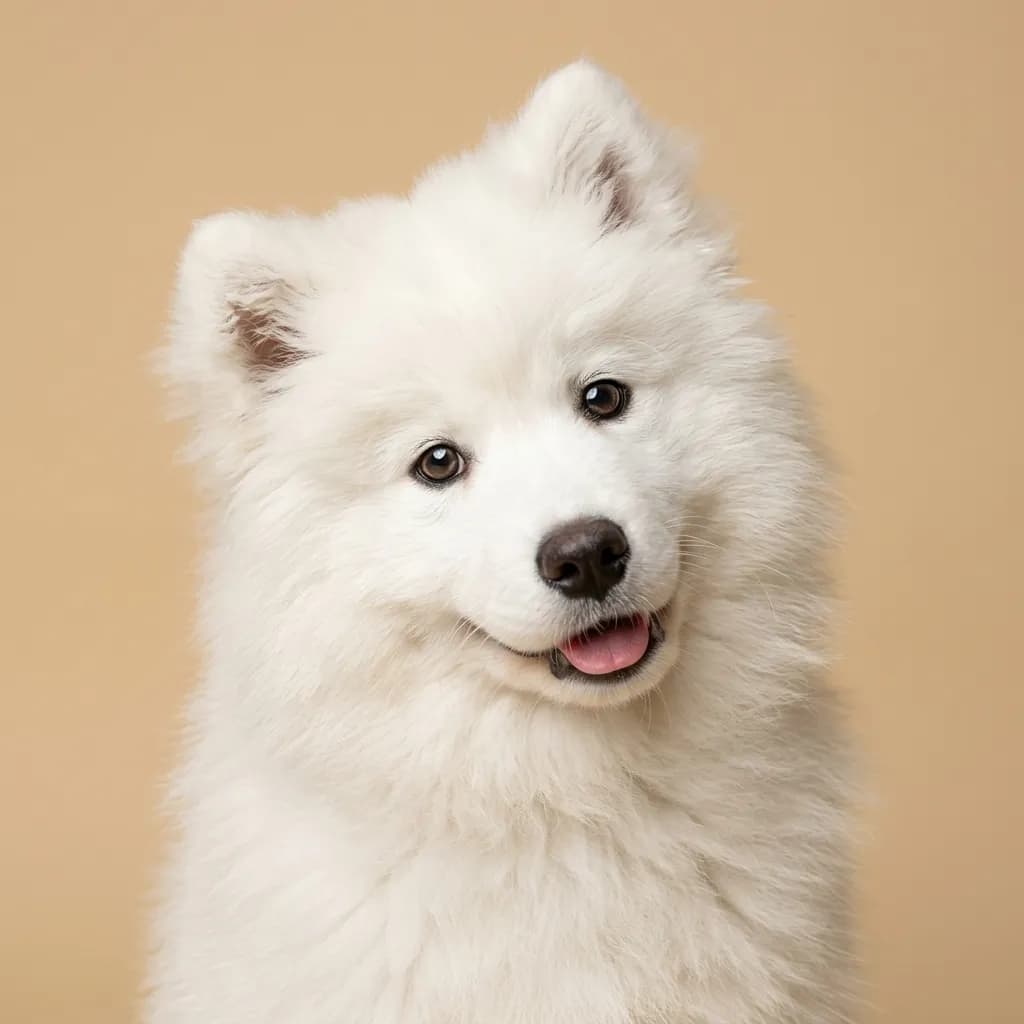
People compare Samoyeds and Schapendoes because they’re both fluffy, energetic herding dogs with big personalities and even bigger coats. At first glance, they look like cousins at a family reunion—fluffy tails curled over their backs, bright eyes, and that unmistakable “smile.” But spend a weekend with each, and you’ll realize they’re built for very different lives. The Samoyed is the social butterfly of the dog world. They’ll greet your mail carrier like a long-lost friend, then bark a detailed report to the whole neighborhood. That friendly, constant vocalization? It’s not a bug, it’s a feature—bred into them for centuries to communicate with their people in the Arctic cold. They thrive in snowy backyards and love families, kids, and daily adventures. But that iconic white coat? It sheds year-round and needs serious grooming. You’re not just owning a dog, you’re running a small fur farm. The Schapendoes, on the other hand, is the focused athlete with a wild mop of hair. Less barking, less shedding, but way more intensity. They’re built for agility, herding trials, or long hikes where they can work hard all day. They bond deeply with their people but aren’t as universally friendly with strangers or kids. They need a job, a purpose—without one, they’ll find their own, like turning your garden into an obstacle course. Here’s the real talk: if you want a dog that’s part of every family moment and doesn’t mind the spotlight, go Samoyed. But if you’re training for dog sports or want a responsive, agile partner who still looks like a storybook sheepdog, the Schapendoes is your dog. Just be ready: both will steal your heart—and your couch.
Trait-by-trait
Higher bar = more of that trait. Shedding, barking, drooling, grooming flipped for readability.Where they diverge
Choose the Samoyed if…
- Active families
- Cold climate households
- Dog sports enthusiasts
- You value good with young children — Samoyed scores noticeably higher.
Choose the Schapendoes if…
- active families
- agility and herding sport enthusiasts
- experienced herding breed owners
- You value good with other dogs — Schapendoes scores higher here.