Samoyed vs Scottish Terrier
Side-by-side comparison across all 14 AKC trait ratings, with a clear verdict on which breed fits which kind of household.

Not sure which breed fits your life?
Answer five questions about your home, your schedule, and your tolerance for shedding. We’ll match you to your top three breeds from over 200.
Samoyed vs Scottish Terrier
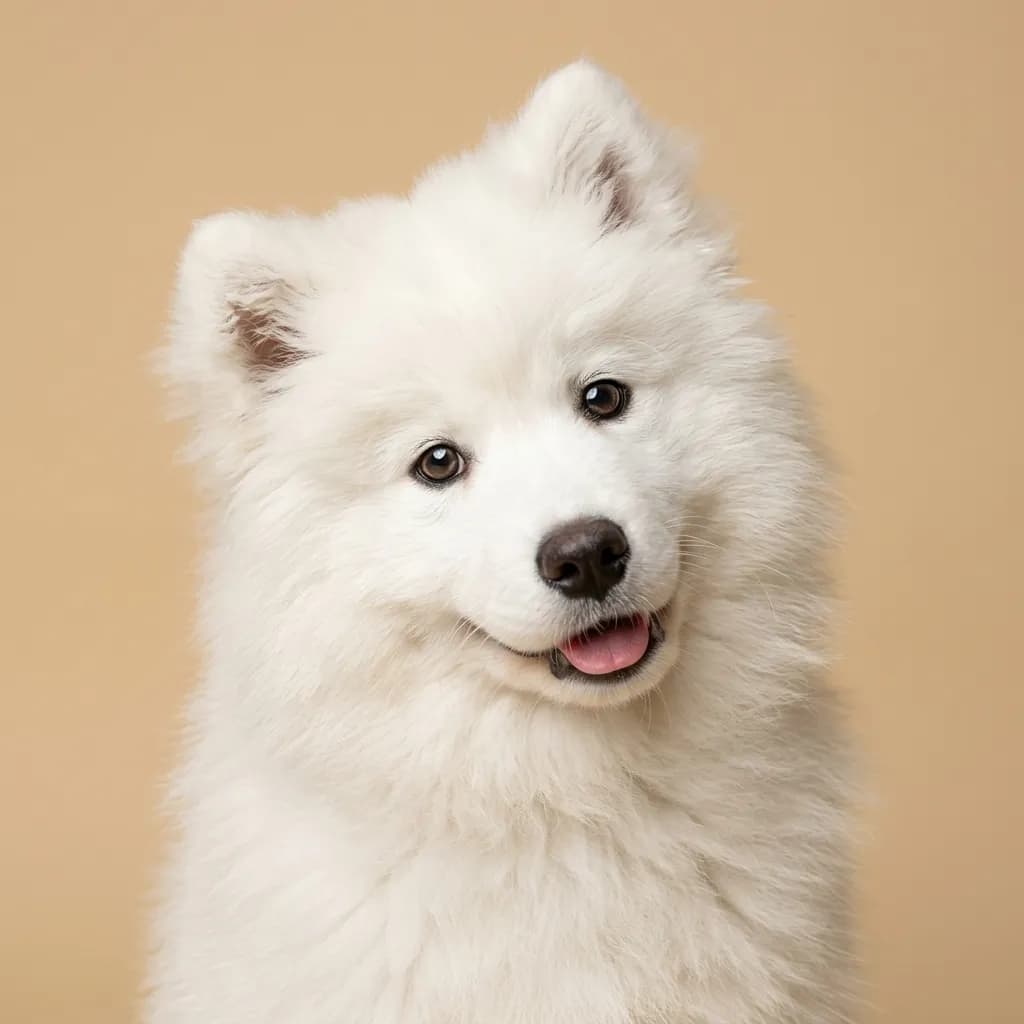
People don’t usually pit a fluffy, smiling Samoyed against a compact, bearded Scottish Terrier unless they’re deep in the dog research hole and starting to wonder what kind of energy they can actually handle. On paper, both are independent and smart, but that’s where the similarities ice over. The Samoyed is a joyful snowstorm of a dog—built for Siberian winters, yes, but also built for people. You’ll need a yard, preferably one dusted with snow, because this dog thrives on activity and companionship. They’re loud; that 5/5 barking isn’t a typo. If you’re gone all day and want peace, this isn’t your breed. But if you’ve got kids, love hiking, and don’t mind grooming every few days, that 5/5 affection and friendly nature will wrap your whole family in warm, white fur. The Scottie, on the other hand, is a stoic little gentleman. He’s content in an apartment, bold without being reckless, and deeply loyal—just not to everyone. He’ll pick his person and stick close. Good with kids? Not really. A toddler might scare him, and he won’t hesitate to snap if startled. But for a retired couple or a single owner who values quiet routine with a side of quirky charm, he’s golden. Here’s the thing no chart tells you: Samoyeds need a job, even if it’s just daily puzzles and long walks. Without it, that sweet face turns mischievous. Scotties, though, are self-entertaining. They’ll patrol the backyard like it’s their kingdom and bark at a leaf—trainability is medium because they’d rather decide for themselves. Pick the Samoyed if you want a dog who’s always in the family group chat. Pick the Scottie if you want a silent partner who still shows up looking like he owns the place.
Trait-by-trait
Higher bar = more of that trait. Shedding, barking, drooling, grooming flipped for readability.Where they diverge
Choose the Samoyed if…
- Active families
- Cold climate households
- Dog sports enthusiasts
- You value good with young children — Samoyed scores noticeably higher.
Choose the Scottish Terrier if…
- Apartment living
- Independent owners
- Those wanting a distinctive, classic breed
- You value drooling level — Scottish Terrier scores higher here.