Schapendoes vs Slovensky Cuvac
Side-by-side comparison across all 14 AKC trait ratings, with a clear verdict on which breed fits which kind of household.
Not sure which breed fits your life?
Answer five questions about your home, your schedule, and your tolerance for shedding. We’ll match you to your top three breeds from over 200.
Schapendoes vs Slovensky Cuvac
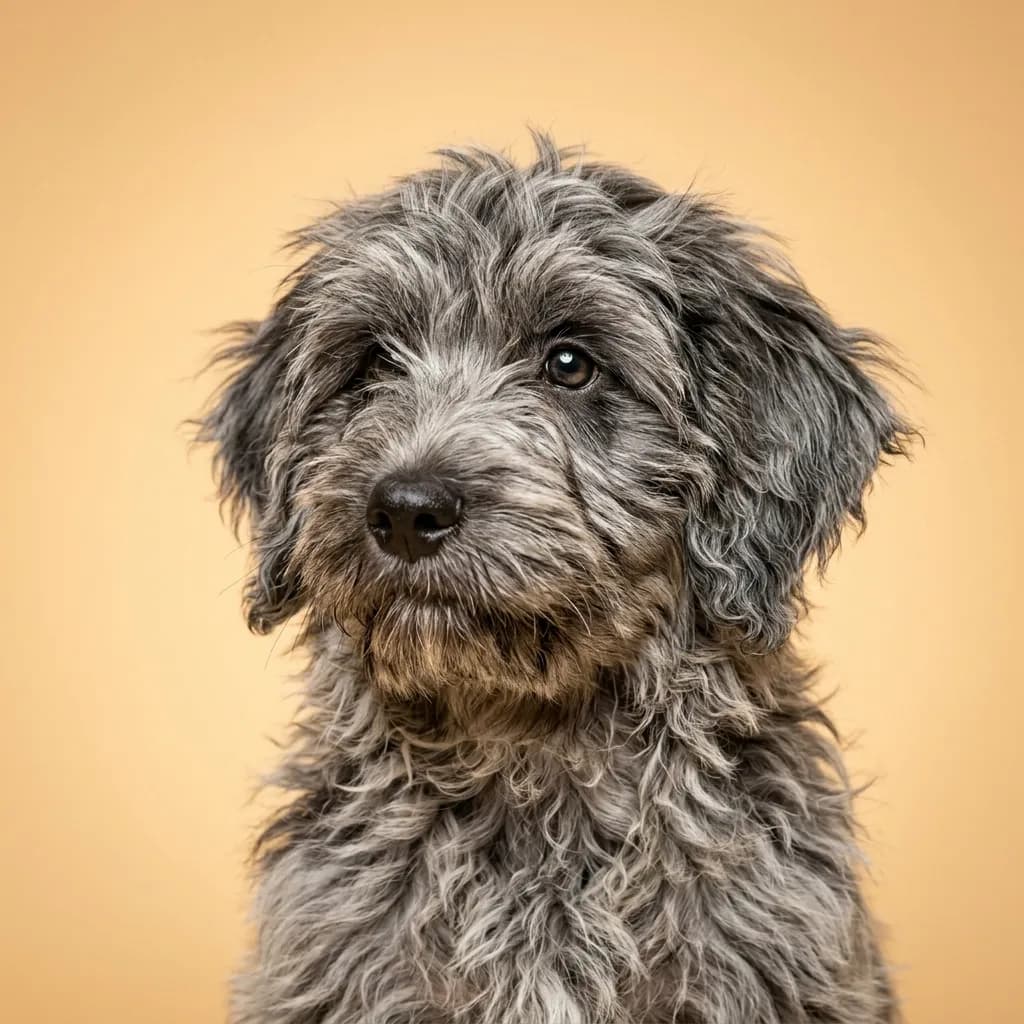
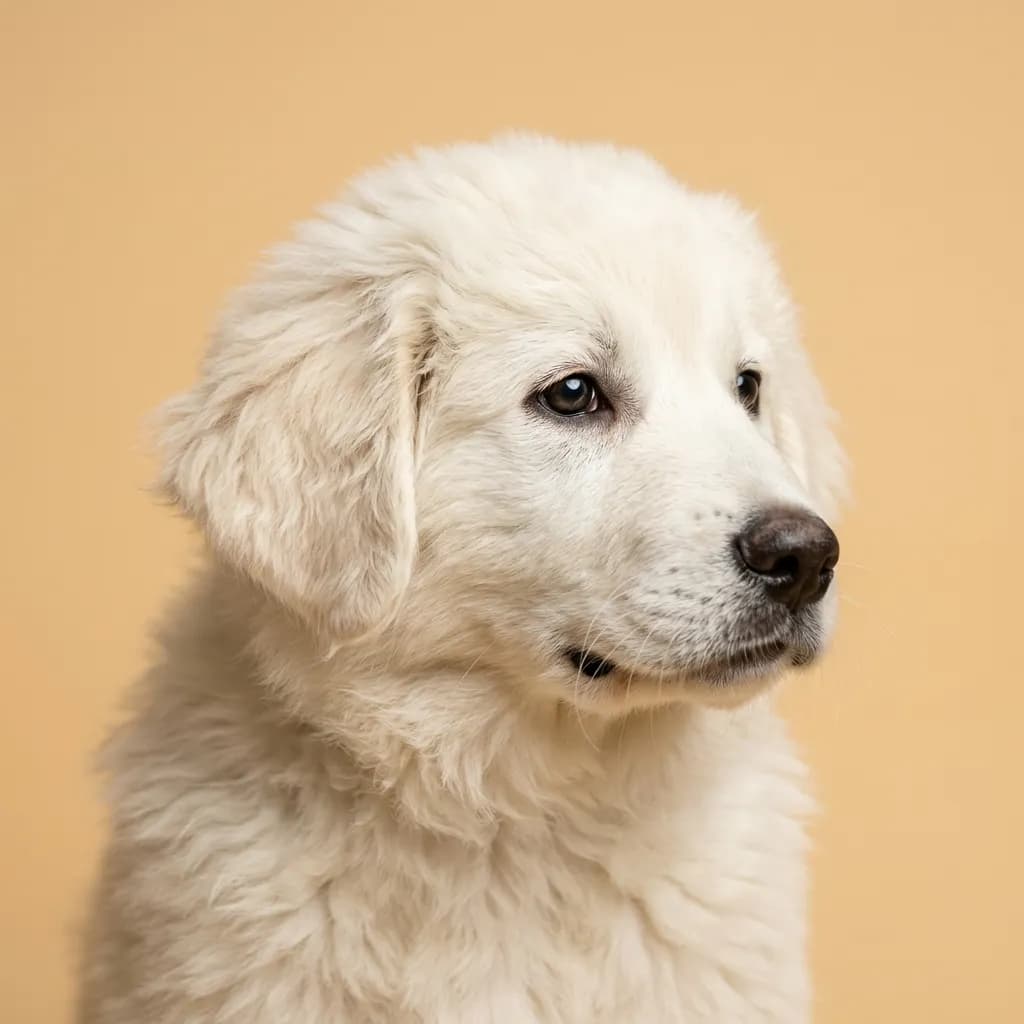
You don’t see many Schapendoes or Slovensky Cuvacs at the dog park, so when someone’s comparing them, they’re usually deep in the research phase—probably charmed by rare breeds with strong opinions and even stronger jobs. These two get compared not because they’re alike, but because they’re uncommon, both in the Foundation Stock Service, and both with that distinctive, almost magical coat. But that’s where the similarity ends. The Schapendoes is the black-coated whirlwind from the Netherlands, built for herding sheep over marshy fields with endless bounce and a 5/5 for trainability. You’ll need time for daily brushing and at least an hour of activity—this dog lives to learn and work. It’s affectionate to a fault with its family, thrives in active households, and needs mental stimulation like most of us need coffee. If you’re into agility or just want a dog that feels like a furry teammate, this one’s for you. The Slovensky Cuvac is a different beast entirely. Picture a massive, white, bear-like guardian bred to stand alone in the Carpathian mountains, protecting flocks from wolves. It’s calm, courageous, and deeply loyal—but not eager to please. With moderate energy and low barking, it’s built for vigilance, not tricks. You can’t rush this dog; it’s independent by design. It sheds heavily, needs space, and really only belongs on a farm or large rural property. Here’s the truth beyond the data: the Schapendoes wants to be your partner. The Slovensky Cuvac sees itself as your equal—or even, quietly, your protector. Choose based on whether you want a co-pilot or a sentinel.
Trait-by-trait
Higher bar = more of that trait. Shedding, barking, drooling, grooming flipped for readability.Where they diverge
Choose the Schapendoes if…
- active families
- agility and herding sport enthusiasts
- experienced herding breed owners
- You value good with other dogs — Schapendoes scores noticeably higher.
Choose the Slovensky Cuvac if…
- experienced large-breed owners
- farms and large properties
- cold climates
- You value shedding level — Slovensky Cuvac scores higher here.