Slovensky Cuvac vs Tosa
Side-by-side comparison across all 14 AKC trait ratings, with a clear verdict on which breed fits which kind of household.
Not sure which breed fits your life?
Answer five questions about your home, your schedule, and your tolerance for shedding. We’ll match you to your top three breeds from over 200.
Slovensky Cuvac vs Tosa
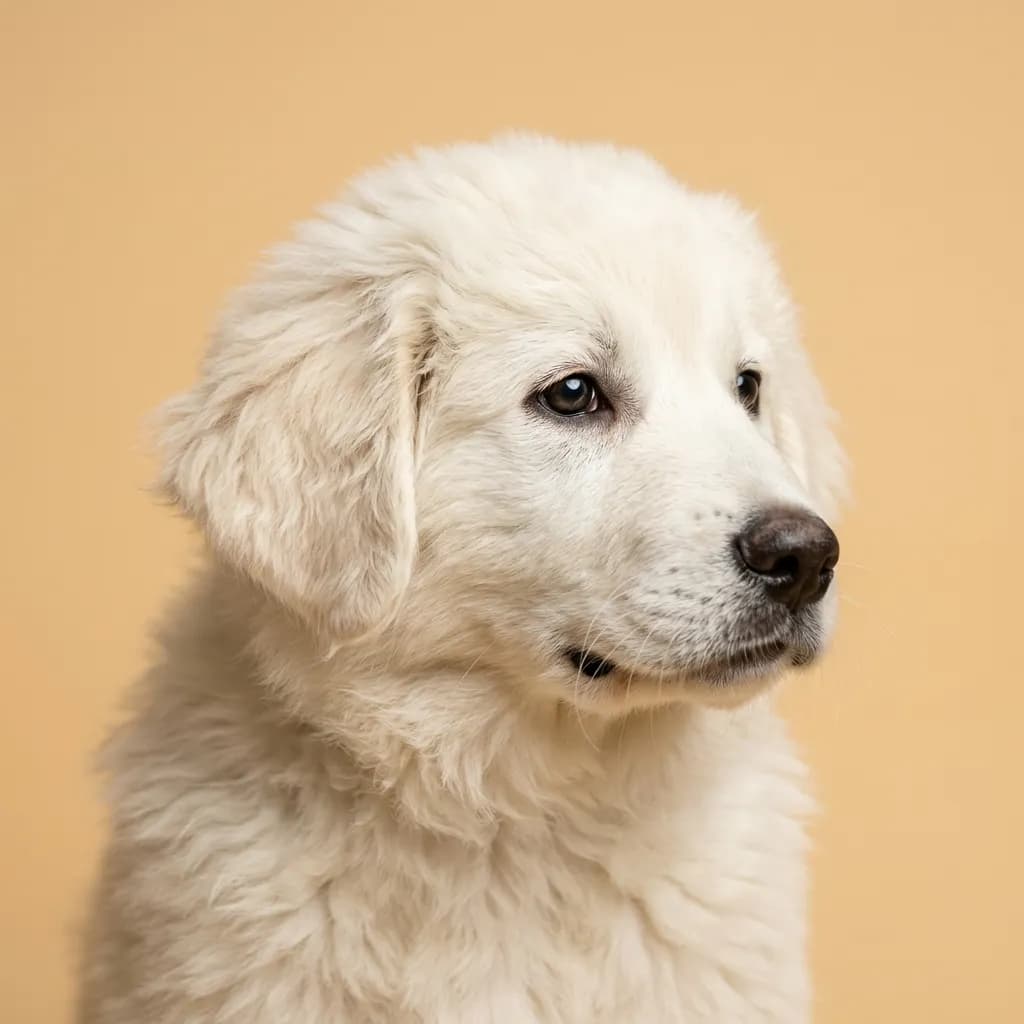
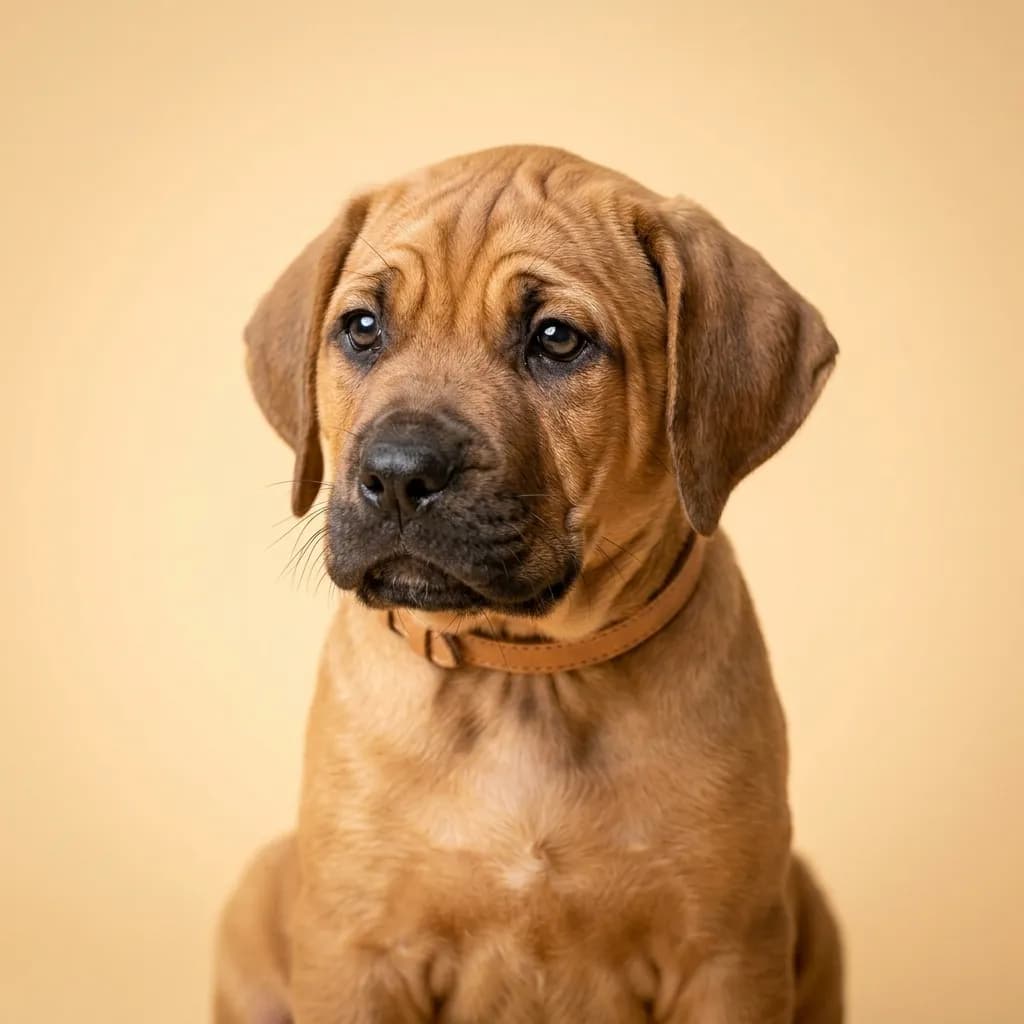
You don’t see these two duking it out at dog parks—Slovensky Cuvac and Tosa are rare, imposing, and not for the faint of heart. So why compare them? Because when you’re standing at the edge of a decision involving 150 pounds of calm intensity or a white mountain dog built for blizzards and loyalty, you need more than size and coat color. You need to know who they are. The Slovensky Cuvac is a sentinel from the Carpathians, bred to guard flocks through harsh winters. He’s independent, deeply bonded to his family, and will endure cold that would cripple most breeds. He’s not loud, but he’s always watching. You’ll love his quiet devotion, but don’t expect him to adapt to city life—he’s got a guardian’s stubbornness and needs space, purpose, and cold air. The Tosa, in contrast, is a Japanese giant shaped in the arena. Originally bred for silent, controlled dog fighting, today’s Tosa is a deeply reserved, surprisingly gentle companion—if raised and trained with firm, experienced hands. He’s less of a watchdog than the Cuvac and sheds less, but his sheer mass and regional restrictions (banned in several countries) make ownership a legal and logistical challenge. Choose the Cuvac if you live on acreage in a colder climate and want a loyal, weatherproof protector. Choose the Tosa only if you’re a seasoned handler who can manage a giant breed with historical baggage and intense presence. Here’s the real talk: neither of these dogs forgives poor training. But the Tosa’s calmness can fool you into thinking he’s easy—he’s not. That quiet strength? It’s like a sleeping volcano. Respect it, train early, and you’ll have a devoted shadow. Get it wrong, and you’ll be in over your head fast.
Trait-by-trait
Higher bar = more of that trait. Shedding, barking, drooling, grooming flipped for readability.Where they diverge
Choose the Slovensky Cuvac if…
- experienced large-breed owners
- farms and large properties
- cold climates
- You value good with other dogs — Slovensky Cuvac scores noticeably higher.
Choose the Tosa if…
- very experienced large-breed owners
- homes with secure property
- owners seeking a calm giant breed companion
- You value barking level — Tosa scores higher here.