Training Your American Bulldog
Rare breeds with varied backgrounds. Approach based on breed's country of origin and original purpose.
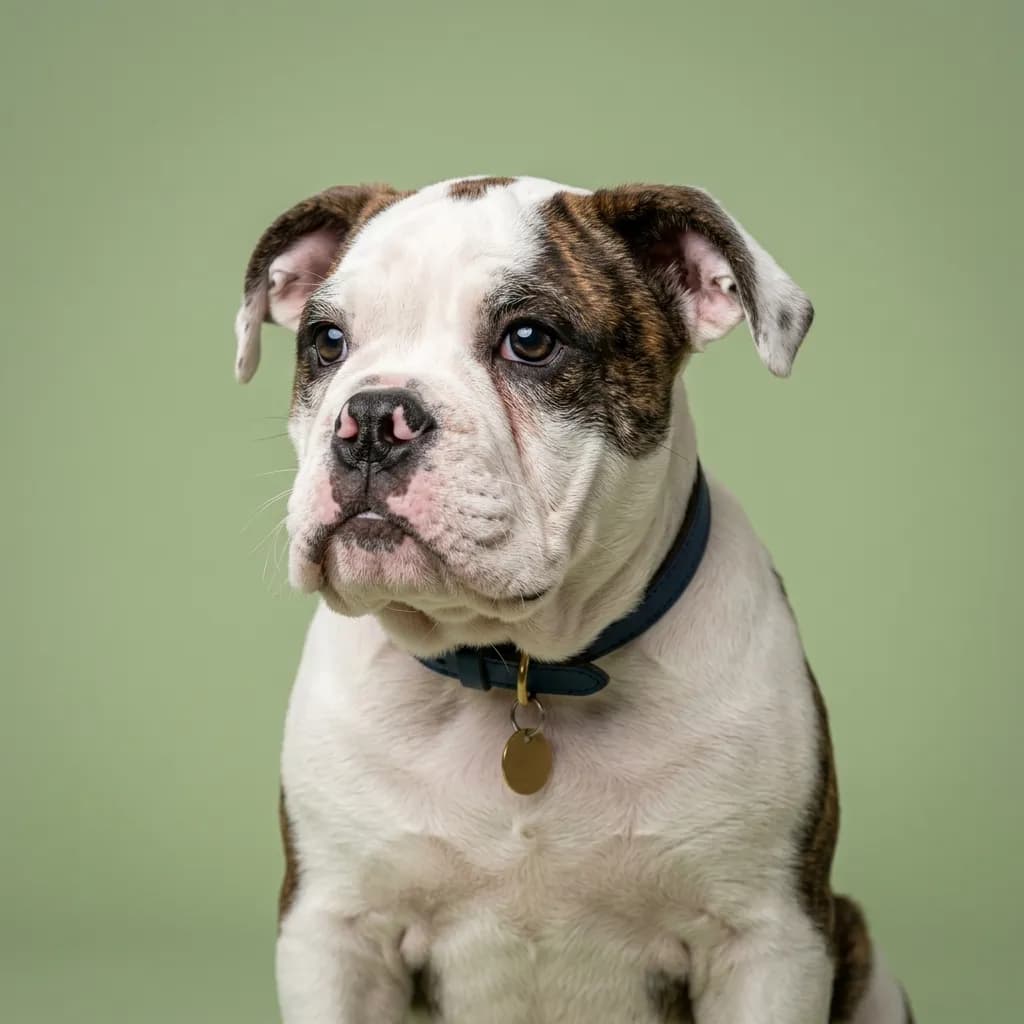
What Training a American Bulldog Is Actually Like
Training an American Bulldog is not for the faint of heart or the easily discouraged. These dogs are loyal and deeply bonded to their people, but they’re also independent thinkers bred to make split-second decisions on a farm. Their Coren trainability tier of 6 means they learn new commands in 80 to 100 repetitions—far slower than average—and they obey first commands only about 25% of the time. That doesn’t mean they’re untrainable. It means you need consistency, patience, and a sense of humor. They’re not eager-to-please like a Border Collie. They’re more like that stubborn cousin who eventually does the right thing—but only after weighing the pros and cons. Their low energy level on paper is misleading. They aren’t hyper, but they need structure and mental challenges. Without it, they’ll find their own entertainment, like redecorating your sofa or testing fence boundaries. They thrive with experienced owners who understand canine communication and aren’t intimidated by a 80-pound dog who sometimes chooses to listen.
Training Timeline
Start at 8 weeks. The socialization window closes at 12 weeks, so expose your puppy to all kinds of people, surfaces, sounds, and dogs—safely and positively. By 16 weeks, begin basic obedience: sit, stay, name recognition. Keep sessions under 5 minutes. At 6 months, adolescence hits hard and lasts until 18 months. This is when testing begins. Don’t take it personally. Reinforce boundaries daily. Around 11 to 14 months—weeks 44 to 56—expect a second fear period. New things might spook them. Go slow. No forcing. Reintroduce scary objects gradually with treats and calm praise. Maturity hits around 14 months, but full emotional stability can take longer. By 18 months, if trained consistently, your American Bulldog should respond reliably to basic cues and be settled in routine. Advanced training should start no earlier than 12 months, once impulse control begins to develop.
Breed-Specific Challenges
First, their independence. Bred to work livestock without constant human direction, they don’t default to looking at you for cues. You have to earn that attention. Second, guarding instincts. They’re naturally suspicious of strangers and protective of their property. Without early, consistent socialization, this can tip into reactivity. Third, physical strength. An untrained 80-pound dog who decides he doesn’t want to walk anymore is not easy to manage. Leash pulling isn’t just annoying—it’s dangerous. Fourth, delayed trainability. Their slow learning curve means progress feels glacial at times. You’ll repeat commands dozens of times before a flicker of understanding. Frustration is normal. Pushing harder makes it worse.
What Works Best
Use an adaptive mixed approach: combine positive reinforcement with clear, consistent boundaries. These dogs respect calm authority. Session length should be short—5 to 10 minutes, 2 to 3 times a day. Their mental stimulation needs are moderate, so mix in puzzle toys and scent games alongside obedience. Rewards? High-value treats work best initially—chicken, cheese, freeze-dried liver. Fade treats gradually but keep occasional rewards to maintain engagement. Avoid punishment-based methods. They’re not defiant; they’re thinking. Praise matters, but food works faster. Train in low-distraction environments first. Their focus is conditional. And remember: training doesn’t end at obedience school. It’s a 24-month commitment, with reinforcement needed well into adulthood.
Crate Training Your American Bulldog
Crate training an American Bulldog isn’t about forcing a stubborn dog into a box; it’s about setting up a space that matches their self-confident, loyal nature. Start with a 42- to 48-inch crate—large enough for an 80-pound adult—but use a divider if you’re working with a puppy. These dogs grow fast, but leaving too much space early on encourages potty accidents and bad habits. Adjust the divider every few weeks until they hit 12 to 18 months, when most American Bulldogs reach full size.
Their low energy level works in your favor. Unlike high-drive breeds that pace or whine, American Bulldogs tend to settle fast once they accept the crate as their den. But their confidence can border on stubbornness, so don’t expect instant buy-in. Introduce the crate gradually with meals and chews inside, and avoid using it as punishment. If they resist, it’s usually not anxiety—it’s more like they’re weighing whether this is worth their time.
A full-grown American Bulldog can handle 4 to 5 hours crated during the day, thanks to their calm disposition. Overnight, 8 hours is doable for adults, but puppies need a potty break around the 5-hour mark. They’ve got decent separation tolerance, but don’t test it. Leaving them crated too long leads to boredom, and bored American Bulldogs might chew pads, scratch at the crate floor, or toss bedding around. Go with a durable pad and anchor it or skip it altogether in favor of a solid rubber mat.
One quirk: their natural mouthiness. Puppies especially may grab the crate bars or gnaw at plastic trays. Use a metal crate and redirect with bully sticks or frozen Kongs. Keep sessions positive, short, and consistent—this breed responds best to a mix of positive reinforcement and clear structure. They’re smart and eager to please their person, so once they’re on board, they stay on board.
Potty Training Your American Bulldog
American Bulldogs are large dogs, averaging around 80 pounds, and that size means they have a decent bladder capacity even as puppies. You can expect a bit more leeway than with small breeds—most can hold it 3-4 hours by 12 weeks—but don’t mistake that for readiness to go longer. Their size also means accidents are messier and harder to clean, so consistency is non-negotiable. You’re looking at a realistic timeline of 5 to 7 months for reliable house training, sometimes longer. They’re not the quickest learners, needing 80 to 100 repetitions to truly grasp a command, and they land in Coren’s lowest tier for working intelligence. That doesn’t mean they can’t learn. It means they’ll do it on their terms.
These dogs are loyal and self-confident, not naturally eager to please like a Border Collie. They’ll assess whether following you is worth their time. That independence can read as stubbornness, especially when they’d rather sniff the backyard than go potty on cue. You can’t rely on enthusiasm alone. You need structure, routine, and calm persistence. Take them out every 3 hours, after meals, naps, and play sessions. Use a leash even in the yard—free roaming encourages distraction, not focus.
One challenge is their tendency to claim territory. They may mark indoors if they sense other animals or feel insecure. Neutering helps, but supervision is key in the first year. Crate training works well because they adapt to a den-like space, but the crate must be large enough for an 80-pound adult—too small and they’ll resist; too big and they’ll potty in the corner.
Rewards? Go high-value. These are meat-driven dogs. Small pieces of chicken or steak beat kibble any day. Praise matters, but food seals the deal. Be immediate—delayed rewards confuse them. Train like you mean it, and they’ll follow. But soften your tone, stay consistent, and they’ll respect you for it.
Leash Training Your American Bulldog
American Bulldogs are strong, confident dogs, and that 80-pound frame means you can’t rely on willpower alone during leash training. A front-clip harness is non-negotiable here. They weren’t bred to pull sleds, but they were bred to hold livestock and guard property, which means they’re naturally inclined to plant their feet and stand their ground when they sense something concerning. That stubborn confidence shows up fast on walks if you’re using a regular collar or back-clip harness—those just give them more leverage to lean into.
Their energy level is moderate, close to low, so you won’t have a whirling dervish on your hands, but don’t mistake calm for compliance. They’re observant and deliberate, which means they’ll test boundaries slowly and consistently. Prey drive isn’t off the charts like a sighthound, but if they catch movement—especially small animals or fast-moving vehicles—they’ll react with that classic bulldog intensity. That’s when the leash tension spikes.
Common problems? Leash reactivity to strangers, other dogs, or perceived threats, plus that tendency to stop and brace when something catches their attention. This isn’t fear-based; it’s assessment. They’re evaluating the situation like a farm guardian would. If you’re using punishment-based corrections, you’ll backfire hard. They respect consistency, not intimidation.
Good leash behavior for an American Bulldog isn’t about floating beside you like a golden retriever. It’s about loose-leash walking with minimal tugging, stopping when you stop, and responding to cues even when they’re on alert. Expect 20 to 30 minutes of focused training over several weeks—trainability is high, but they need clear leadership. Use an adaptive mixed approach: rewards when they stay calm, redirection when they fixate, and structure in every walk. They’re not born to heel. They’re born to protect. So your goal isn’t perfection. It’s partnership.
“I just wish someone would tell me what to do and when to do it.”
Not generic puppy tips. Not a video course you’ll never finish. Just one email a week telling you exactly what to work on with your American Bulldog, at the age they are right now. Nothing to sift through. Nothing to figure out. Just this week.
Get Started — It’s FreeTell us your breed and your puppy’s age. We’ll send you exactly what to work on this week.
Socializing Your American Bulldog
American Bulldogs have a short window to get socialization right, and you need to move fast between weeks 3 and 12. That timeline is tight, but it’s even trickier because their first fear period hits hard between weeks 8 and 11—exactly when most pups come home. During this phase, scary experiences stick. A loud noise or a clumsy toddler at the wrong moment can create lasting wariness. That’s why your approach has to be controlled, positive, and consistent. No flooding, no forcing. Let them investigate at their pace.
Because they were bred to guard property and handle livestock, American Bulldogs are naturally suspicious of unfamiliar people and situations. They don’t default to friendliness like some breeds. That means you need to expose them to a wide variety of people—different ages, ethnicities, clothing (hats, uniforms), and walking styles (canes, strollers)—starting on day one. They also need to hear random noises: traffic, doorbells, vacuums, shouting. Their job was to assess threats, so if you don’t teach them what’s normal, they’ll assume everything is a threat.
One of the biggest mistakes owners make is thinking their pup’s confidence means they don’t need socialization. Yes, they’re self-assured, but that confidence can turn into obstinance or reactivity if not shaped early. Letting them skip new experiences until adulthood is a recipe for a 80-pound dog who lunges at bikes or barks at delivery people.
Miss early socialization and you’re not just dealing with shyness. You get a powerful, loyal dog who misreads the world as dangerous. That creates guarding behaviors, overprotectiveness, and reactivity that’s tough to undo after 14 months, when they’re socially mature. Do it right, and you’ve got a calm, steady guardian who knows the difference between a real threat and a kid on a scooter. Do it wrong, and you’ve got a liability.