Training Your American Water Spaniel
Bred to work with handlers in the field. Food and toy motivated, eager to please. High energy requires exercise before training sessions.
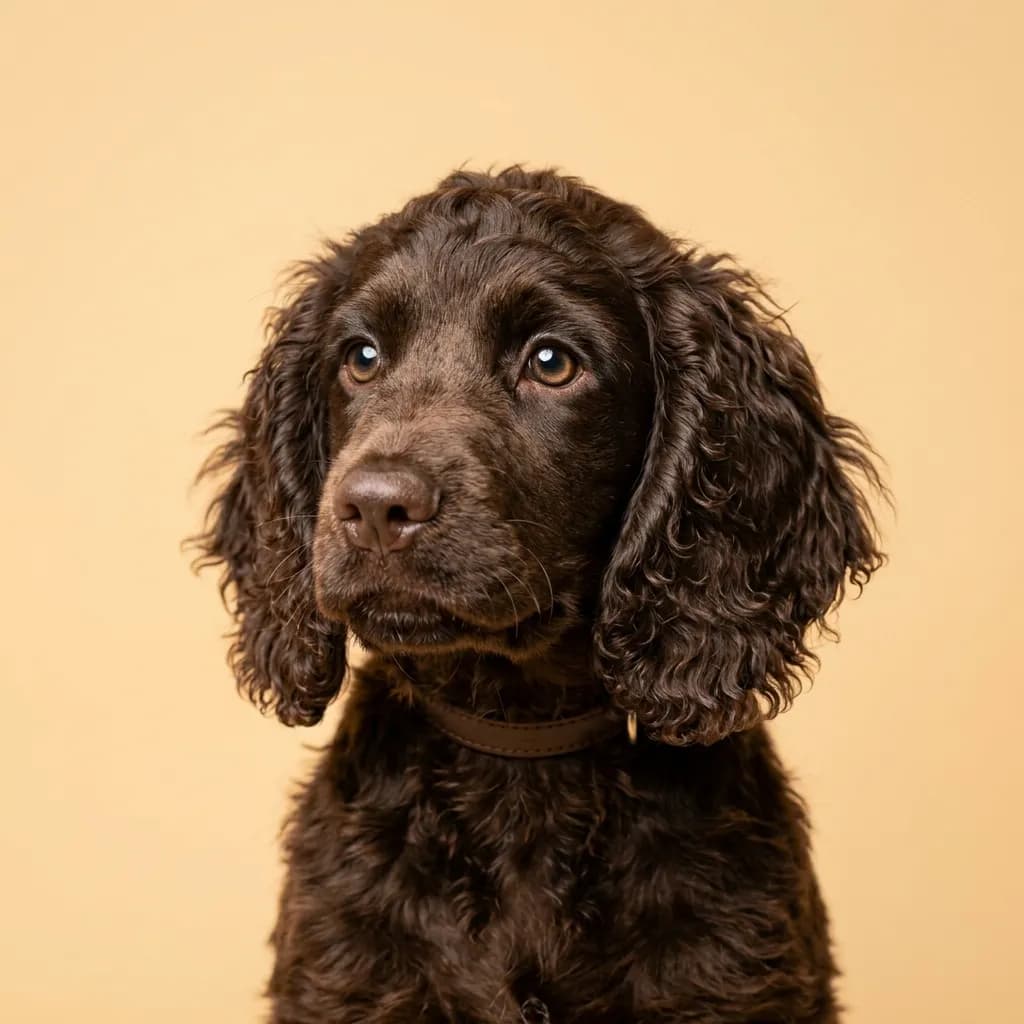
What Training a American Water Spaniel Is Actually Like
Training an American Water Spaniel feels like working with a determined little partner who wants to please but has a mind of his own. They’re in the Average tier for intelligence according to Coren, meaning they’ll pick up a new command in 25 to 40 repetitions—so progress is steady but not lightning fast. Their eagerness to please and strong handler bond make them responsive, especially when you keep things engaging. They’re food and toy motivated, which is great, but you can’t just toss treats and call it a day. These dogs were bred to work closely with people in tough environments, so they thrive on active, hands-on training that includes retrieving. If you don’t burn off some energy first, you’ll be fighting a 35-pound bundle of distraction. They’re happiest when training feels like a game, especially one that ends with a splash or a fetch. They’re not high-strung like some sporting breeds, but their energy level (3 out of 5) and mental stimulation needs (also 3 out of 5) mean consistency is key.
Training Timeline
Start at 8 weeks. That’s when their socialization window opens, and it closes by week 12—pack it full with positive exposure to people, dogs, sounds, and surfaces. By 16 weeks, they should know basic cues like sit, stay, and come, using food and toy rewards. Around 32 to 40 weeks, you’ll hit their second fear period. Be patient. Avoid forcing interactions and double down on confidence-building. Use treats and calm praise. Adolescence kicks in at 5 months and lasts until 14. This is when they test boundaries. Reinforce obedience daily and keep training sessions short but active. By 9 months, they’re mentally mature enough to handle more complex tasks, like water retrieves or advanced recall. Continue refining skills through 14 months, especially off-leash control near water.
Breed-Specific Challenges
First, their retrieving drive can turn into obsession. Some will pick up anything—socks, rocks, small garden ornaments—and expect you to throw it. You’ll need to manage this early with clear rules around what’s a fetch toy. Second, they bond intensely with their person, which can lead to mild separation anxiety if not conditioned early. Crate training and short alone-time drills from week 8 are non-negotiable. Third, their average trainability means they won’t always generalize commands. Just because they know “stay” in the backyard doesn’t mean they’ll do it at the lake. Proofing in varied environments takes time and repetition. Lastly, their water obsession is both a gift and a problem. They’ll jump into ponds, rivers, even puddles without hesitation. Reliable recall isn’t optional—it’s essential for safety.
What Works Best
Keep sessions under 10 minutes and do them after exercise. A tired spaniel is a focused spaniel. Use food for shaping new behaviors, then switch to retrieve games as reinforcement—toss a bumper or tug toy for a job well done. Their methodology thrives on retrieve-and-reward, so build training around that. Start with high-value treats to capture attention, then phase in play as the primary motivator. Practice commands in multiple locations early, especially near water, to prevent context dependency. Train 3 to 4 times a week minimum, more during adolescence. Pacing matters: don’t rush through commands. They need 25 to 40 reps to lock in a new cue, so stay consistent. Use a cheerful tone—they respond better to encouragement than firmness. And always end on a win.
Crate Training Your American Water Spaniel
A 35-pound American Water Spaniel needs a 36-inch crate as an adult, but if you’re starting with a puppy, get one with a divider. These dogs grow steadily, and using a divider keeps the space appropriately sized so your pup doesn’t have room to eliminate in one corner and sleep in another. They’re eager to please and highly trainable, scoring a solid 5 out of 5 in trainability, which means crate training usually goes smoothly if you keep it positive and active.
Their temperament is a big advantage here—happy, charming, and eager to engage—so they respond best when you turn training into a game. Use retrieve-based rewards: toss a favorite bumper or soft toy into the crate as a “prize” for going in. Make it feel like they’re discovering treasure, not being confined. These sessions should be short and upbeat, leveraging their natural retrieving instinct to build positive associations.
American Water Spaniels have moderate energy—about a 3 out of 5—so they don’t need hours of crate time. Puppies can handle about one hour per month of age; adults can manage up to 6 hours during the day if they’ve had a good walk or swim first. They don’t love being isolated for long, though. They’re companion-oriented and may whine or bark if left too long without interaction.
Watch for chewing on crate pads or fabric. These spaniels have a soft mouth from retrieving, but that doesn’t stop them from nibbling when bored. Skip plush bedding and go for a durable, chew-resistant mat or a rubber cusion. If they start digging at the crate floor, it’s usually excitement, not anxiety—scale back the stimulation near the crate and keep entries calm.
Consistency matters more than force with this breed. They’ll learn fast, but they’ll also remember if the crate feels like punishment. Keep it fun, keep it fair, and they’ll settle in willingly.
Potty Training Your American Water Spaniel
American Water Spaniels are medium-sized dogs, averaging around 35 pounds, which gives them a decent bladder capacity compared to smaller breeds. That means they can typically hold it longer—puppies usually manage about one hour per month of age, so a 12-week-old might last three hours. Because of their size, they won’t need the constant outdoor trips that tiny breeds do, but consistency still matters. You can expect house training to take 8 to 12 weeks with daily routine and supervision.
Their trainability score is a solid 5 out of 5, and while they fall in Coren’s “Average” tier—meaning they learn a new command in 25 to 40 repetitions—they’re eager to please and respond best to positive, upbeat training. They’re not stubborn in the way some terriers or hounds can be. Instead, they’re charming, attentive, and happy to work with you, which makes potty training smoother than with more independent breeds. That said, they do need consistency. If you’re inconsistent with timing or rewards, they’ll pick up on that fast and might start testing boundaries.
One thing to watch for is their hunting background. Outdoors, they can get easily distracted by birds, water, or scents, so don’t assume they’ll potty just because you’re outside. Stick to a routine spot, use a cue word like “go potty,” and wait patiently. Indoors, they rarely try to hide accidents in odd spots like some small dogs do—their size makes that difficult, and their eagerness to please means they’ll usually try to get it right.
Rewards work best when they’re immediate and enthusiastic. Use small, high-value treats the second they finish, paired with verbal praise. They thrive on connection, so your excitement matters as much as the treat. Crate training helps a lot—pair it with a steady schedule of outdoor breaks after meals, naps, and play—and you’ll have a reliably house-trained dog in about three months.
Leash Training Your American Water Spaniel
American Water Spaniels are smart, responsive dogs that usually take to leash training faster than most. Their 5/5 trainability means they pick up cues quickly, especially when you use positive reinforcement like treats or toy rewards—think small bits of chicken or a quick game of tug as payoff. Since they were bred to retrieve waterfowl in dense marshes and from boats, they’ve got a natural focus on movement and scent, which means distraction is their biggest leash challenge. They’re not prone to pulling like sled breeds, but they will veer off when they catch a whiff of something interesting—usually near water or tall grass.
For equipment, a standard flat collar or a well-fitted front-clip harness works best. They’re medium dogs at around 35 pounds, not heavy pullers, but a front-clip harness can help redirect their attention if they start zigzagging toward a scent trail. Avoid choke or prong collars; these dogs respond better to cooperation than correction. A 4-6 foot leash gives you control without making them feel restricted.
Their energy level is moderate—3 out of 5—so they won’t demand marathon walks, but they do need consistent routine. Leash issues usually show up as pacing ahead, sudden stops to sniff, or mild forging when excited. Don’t expect perfect heel work on day one. “Good” leash behavior for an AWS means walking within 2 feet of your side, checking in frequently, and responding promptly to “let’s go” cues when distracted. They’re eager to please, so short, engaging sessions (5–10 minutes daily) beat long, repetitive ones.
Because they were bred to work independently in wet, unpredictable terrain, they’re naturally curious and observant. That means they’ll want to investigate new paths, water sources, or birds in flight. Channel that curiosity with structured walks where they earn freedom after focus. With consistency, they’ll learn to stay tuned in, even when their instincts say otherwise.
“I just wish someone would tell me what to do and when to do it.”
Not generic puppy tips. Not a video course you’ll never finish. Just one email a week telling you exactly what to work on with your American Water Spaniel, at the age they are right now. Nothing to sift through. Nothing to figure out. Just this week.
Get Started — It’s FreeTell us your breed and your puppy’s age. We’ll send you exactly what to work on this week.
Socializing Your American Water Spaniel
You’ve got an American Water Spaniel, which means you’ve got a bright, eager dog with a narrow socialization window that lands right in the middle of their first fear period. That’s weeks 3 to 12 for socialization, and weeks 8 to 11 for that fear spike—so yes, the most critical time to expose them to new things is also when they’re most vulnerable to forming lasting fears. Timing here is everything. If you miss it or mishandle it, you’re not just behind schedule, you’re setting up for reactivity or suspicion down the line.
These dogs were bred to work closely with one or two hunters from a boat or marsh, not to be social butterflies. That means they don’t come with the off-the-shelf friendliness of some other spaniels. They’re charming and happy, yes, but they can lean toward being reserved or wary with strangers, strange dogs, loud noises, or sudden movements. You need to flood them—gently—with positive experiences around all of it. That means kids dropping toys, people wearing hats or carrying umbrellas, boat motors, duck calls, even the splash of water from a hose. Their job was to be steady under odd conditions, so expose them to oddness early, but keep it under threshold. A scared pup isn’t learning; they’re shutting down.
A common mistake is assuming their eagerness to please means they’re fine socially. They’ll hide discomfort to avoid disappointing you, which means you might miss subtle signs of stress—licking lips, avoiding eye contact, freezing. Don’t force interactions. Build confidence through repetition and rewards, not pressure.
Skip proper socialization and you’ll get a dog that’s hesitant at best, suspicious at worst. By 9 months, their adult temperament is mostly set. An under-socialized AWS isn’t just shy. They become hyper-vigilant, over-threshold at the dog park, or snappy in uncertain situations. Do the work early, do it right, and you’ll have a loyal, adaptable partner who’s as comfortable on a dock as he is at a backyard barbecue.