Training Your Anatolian Shepherd Dog
Bred for jobs requiring strength, stamina, and decision-making. Responds to purposeful training with clear expectations. Needs to understand WHY.
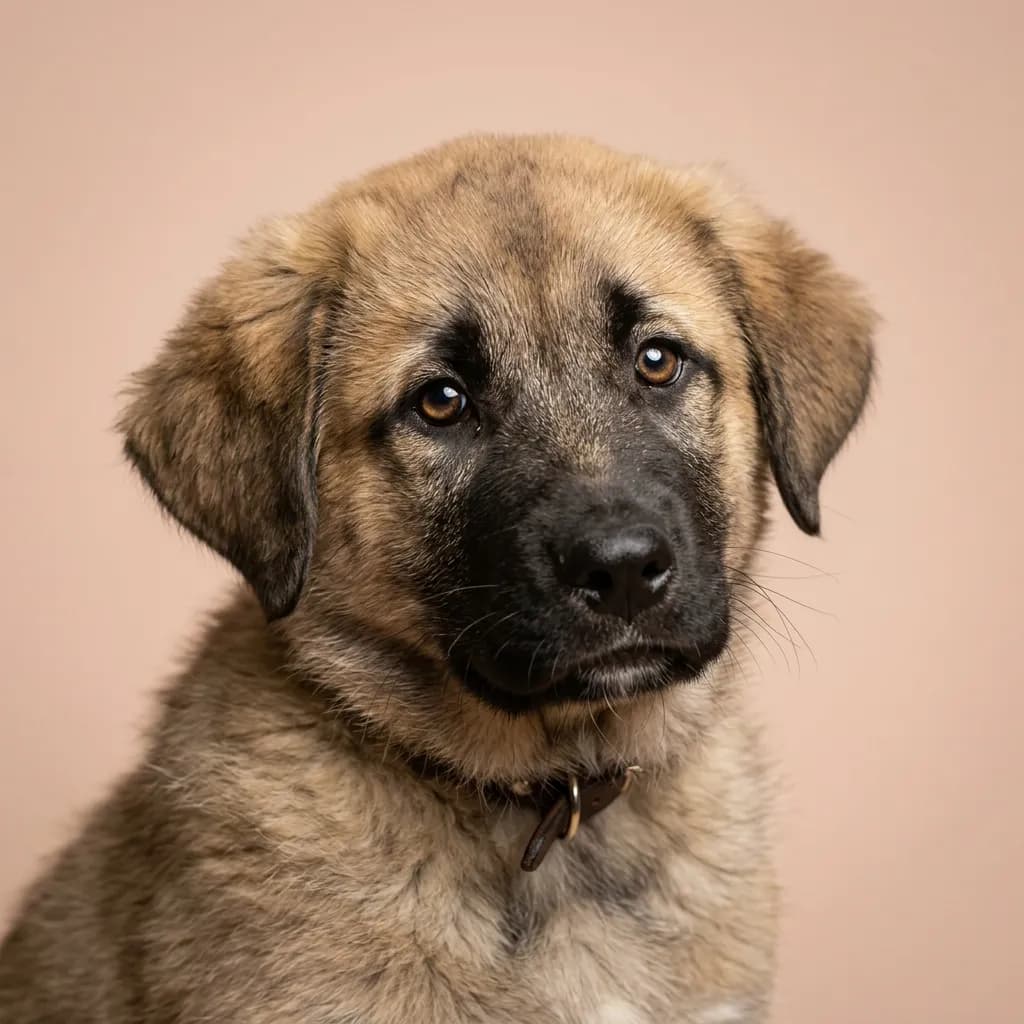
What Training a Anatolian Shepherd Dog Is Actually Like
Training an Anatolian Shepherd isn’t about teaching a dog to sit pretty or fetch on command. It’s about guiding a decision-maker. These dogs were bred to guard flocks in remote Turkish highlands, often making life-or-death calls without human input. That means they’re not wired to obey just because you said so. Their Coren trainability tier of 5 (Fair) tells you they need 40 to 80 repetitions to learn a new command, and even then, they’ll weigh whether it’s worth following. First-command obedience sits at just 30%, so don’t expect instant compliance. They’re not stubborn for the sake of it — they’re evaluating. If your training lacks purpose or consistency, they’ll tune you out. But when they understand the “why” behind a task, and when expectations are clear, they’ll engage. They need structure, not force. And they mature slowly — mentally hitting full stride around 20 months, with adolescence dragging from 8 to 24 months. This is a marathon, not a sprint.
Training Timeline
Start at 8 weeks: the socialization window (weeks 3–12) is critical. Expose your puppy to varied people, animals, and environments, but keep it positive and controlled. Overwhelming them now can trigger long-term wariness. By 6 months, basic manners like name recall and loose-leash walking should be introduced, but expect inconsistency. Around weeks 56–72 (14–17 months), the second fear period hits. Revisit socialization gently; don’t force interactions. Training slows here — back off intense sessions, focus on confidence-building. Adolescence stretches through 24 months, so don’t mistake puppy progress for adult reliability. Formal training should be ongoing, with real fluency emerging after 20 months. Crate training and boundary work should begin early, since adult Anatolians are too large to correct physically.
Breed-Specific Challenges
First, their independence. They don’t default to looking at you for direction like a Golden Retriever. You have to earn that attention through trust and clarity. Second, their reserved nature makes them naturally suspicious of strangers. Poorly managed socialization leads to inappropriate aggression, especially in urban settings. Third, their size and strength mean mistakes are dangerous — a 115-pound dog ignoring recall near traffic or livestock is a serious liability. Fourth, they’re task-oriented, so repetitive drills without context (like 20 sits in a row) bore them. They’ll disengage fast if training feels pointless.
What Works Best
Keep sessions short — 5 to 10 minutes, 2–3 times daily. These dogs respond to purposeful work, not rote repetition. Tie commands to real-world tasks: “stay” while you open a gate, “come” to check in during yard patrols. Use food rewards early, but shift toward intrinsic satisfaction of task completion as they mature. High-value treats (like meat or cheese) are essential during adolescence when distractions peak. Train in low-distraction environments first, then gradually increase difficulty — don’t expect outdoor focus until well into adulthood. Structure is non-negotiable: same cues, same expectations, every time. These dogs thrive on predictability, not affectionate chaos. And remember, your authority comes from consistency, not volume. Yelling erodes trust. Clear, calm leadership builds it.
Crate Training Your Anatolian Shepherd Dog
An Anatolian Shepherd puppy needs a crate that accommodates their massive adult size—think 48 inches minimum, even if you’re starting with a divider. But here’s the truth: dividers are more hassle than help with this breed. Anatolians grow fast, and their independent nature means they’ll treat a too-large space with suspicion or turn it into a den they feel compelled to guard. Start with a properly sized crate so they have just enough room to stand, turn, and lie down comfortably. You’re not saving money by buying big and adjusting later.
These dogs aren’t hyper, but their 3/5 energy is steady and purposeful. They don’t fight the crate out of anxiety like some breeds, but they resist if they don’t see the point. Crate time has to make sense to them. Use task-oriented training: tie crate entry to clear tasks like “wait before dinner” or “settle after yard patrol.” No fluff, no forced affection. They’ll accept the crate if it’s part of a structured routine.
Adult Anatolians can handle 6 to 8 hours crated during the day if exercised, but only because of their temperament, not their energy. They’re reserved, not needy, so they’ll lie quietly—but don’t mistake silence for comfort. If they’re too isolated, they may start digging at the crate floor or chewing pads, not from boredom but from a need to “fortify” their space. Use a durable orthopedic bed, not plush padding they can shred.
Expect minimal barking, but never use the crate as punishment. Anatolians remember. Instead, reinforce the crate as a station in their guardian role—like a command post. Make it part of their job. Keep sessions short, consistent, and with increasing responsibility, like crating during longer separations while you’re still home. This breed respects purpose, not pressure.
Potty Training Your Anatolian Shepherd Dog
Anatolian Shepherd Dogs are giant, independent animals with a 2/5 trainability rating, which means potty training requires patience and consistency. At around 115 pounds on average, their size does help a little—they have larger bladders than small breeds, so you’re not racing to the door every hour with a tiny puppy. But don’t mistake physical maturity for mental readiness. Even with decent bladder capacity, their independent temperament means they won’t rush to please you just to earn a smile or a treat. They’re reserved by nature and will question every command, including where and when to eliminate.
These dogs fall into Coren’s Tier 5—“Fair Working Dogs”—which translates to needing 40 to 80 repetitions to learn a basic command. That’s not a flaw, just a reality. You’ll need to stick to a rigid schedule, taking your Anatolian outside every 2 to 3 hours during the day, after meals, after play, and first thing in the morning and at bedtime. Expect setbacks, especially once they hit adolescence around 6 months, when their natural wariness and stubbornness kick in.
Realistically, house training an Anatolian Shepherd takes 6 to 12 months. Some never fully outgrow marking indoors, especially males if not neutered early. Crate training helps, but their size means they need space fast—transitioning too soon to free roaming increases accidents.
Because they’re not treat-motivated like Labs or Border Collies, food rewards alone won’t cut it. Instead, pair outdoor potty success with access to something they value: a few minutes of off-leash time in the yard, a quiet scratch behind the ears, or a favorite chew toy. Make eliminating outside feel like part of their job—because to an Anatolian, that’s how things make sense. They’re not pets trying to please. They’re guardians learning the rules of the territory. Treat it that way, and you’ll get better results.
Leash Training Your Anatolian Shepherd Dog
Anatolian Shepherd Dogs are not your casual weekend project on a leash. These are 115-pound livestock guardians built to work independently in remote terrain, and that history shows up every time you clip on the lead. They were bred to patrol vast borders, assess threats like wolves or bears without human input, and act decisively. That means they don’t look to you for constant direction—they assess the environment and decide their own path. Leash manners will never look like a obedient golden retriever’s, and that’s okay. Good enough for an Anatolian is steady, calm walking with occasional pauses to scan, not constant heel work.
Use a harness, no exceptions. A front-clip harness gives you more control during early training, but transition to a back-clip once they’re reliable—Anatolians are powerful and prolonged front-clip use can strain their shoulders. Avoid collars; their necks are thick and they can easily slip or injure themselves if they lunge. A standard 6-foot leather or biothane leash is ideal—durable, predictable, not prone to tangling.
Their energy is moderate, but their prey drive is high. Squirrels, deer, even distant movement can trigger a split-second bolt. That independence means they’ll stop to assess perceived threats or simply ignore you if something else seems more important. Common problems? Pulling when they spot something suspicious, stopping dead mid-walk, or refusing to return focus once distracted.
Train with purpose. These dogs respond to task-oriented work—not repetition for obedience’s sake, but clear jobs with logic behind them. Make leash walking a job: “We’re checking the perimeter” or “We’re moving livestock.” Use high-value rewards strategically, not constantly. Realistic expectations? A mature Anatolian on leash should stay near you, respond to recall in low-distraction areas, and walk without constant pulling. Perfect focus? Unlikely. But steady, aware, and under control? Absolutely achievable—if you respect their instincts instead of fighting them.
“I just wish someone would tell me what to do and when to do it.”
Not generic puppy tips. Not a video course you’ll never finish. Just one email a week telling you exactly what to work on with your Anatolian Shepherd Dog, at the age they are right now. Nothing to sift through. Nothing to figure out. Just this week.
Get Started — It’s FreeTell us your breed and your puppy’s age. We’ll send you exactly what to work on this week.
Socializing Your Anatolian Shepherd Dog
Anatolian Shepherds are not your average puppy. Their socialization window from weeks 3 to 12 hits right when their first fear period is peaking, between 8 and 11 weeks. That overlap is critical. You’re trying to build confidence while their instincts are screaming caution. Miss that window or mishandle it and you’ll be dealing with the fallout well past their 20-month maturity.
These dogs were bred to guard livestock against wolves and bears in rural Turkey. That means they’re hardwired to be reserved, independent, and suspicious of anything unfamiliar. They don’t naturally trust new people, loud noises, or sudden movements. That’s why you need to flood their early weeks with calm, controlled exposure to all kinds of people—especially strangers, men, children, and people wearing hats or uniforms. They need to see the world as predictable, not threatening. But go too fast and you’ll scare them. One bad experience during that fear period can stick.
They’re naturally wary of fast-moving kids, delivery trucks, skateboards, and anything they haven’t seen before. That’s not aggression, that’s the breed doing what it evolved to do. Your job is to show them, over and over, that most things aren’t a threat. Use distance, treats, and neutral observation—never force interaction.
Common mistakes? Treating them like a laid-back family pet too soon. People think because they’re calm puppies, they’re fine. Wrong. That aloofness can harden into reactivity if they haven’t been properly exposed. Another mistake is isolation after 12 weeks, thinking the work is done. It’s not. You’re just setting up a dog that may shut down or become overly protective.
Skip real socialization and you’ll end up with a 115-pound guardian who sees every visitor as a potential intruder. That’s not just inconvenient—it’s dangerous. A well-socialized Anatolian is still reserved, but he’ll assess calmly instead of reacting. That balance is everything.