Training Your Australian Cattle Dog
Thrives on structured tasks with clear goals. Responds to body language and subtle cues. Needs mental challenges to prevent herding behavior redirected at people/kids.
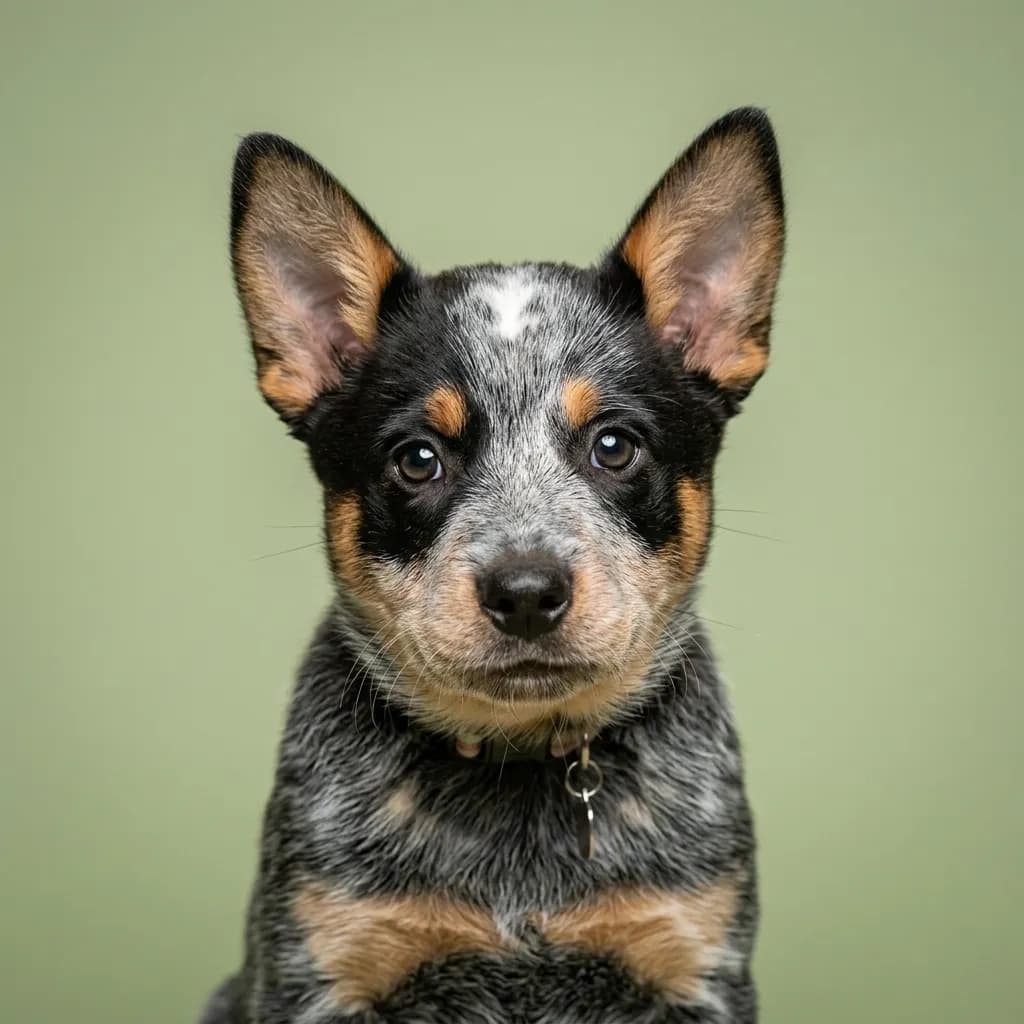
What Training a Australian Cattle Dog Is Actually Like
Training an Australian Cattle Dog isn’t about teaching obedience—it’s about channeling a working machine that expects a job. These dogs learn new commands in just 1 to 5 repetitions, with a first-command obedience rate over 95%. That intelligence is a gift if you’re prepared, a nightmare if you’re not. They’re not stubborn in the traditional sense; they’re assessing whether your request makes sense. If it doesn’t, they’ll ignore you or improvise. They were bred to work independently over vast distances, making decisions without human input, so they don’t naturally default to looking at you for direction. You have to earn that attention through consistency and mental engagement. Expect a dog that’s alert to a fault, curious about everything, and eager to problem-solve—if you give them the right outlet. Without it, they’ll invent their own, like nipping at heels or barking at shadows.
Training Timeline
At 8 weeks, start immediately. The socialization window closes by week 12, so expose your pup to at least 100 people, 20 surfaces, and a dozen sounds before then. Use positive reinforcement—this breed remembers harsh treatment. From weeks 13 to 32, focus on foundational skills: sit, stay, recall, loose-leash walking. Their trainability score of 4/5 means they’ll master these fast, but don’t rush. Then, between weeks 32 and 40, the second fear period hits. Back off intense training. Prioritize confidence-building—short, low-stress sessions in familiar places. Avoid forced exposure. Adolescence kicks in around month 5 and lasts until 14. This is when energy peaks and focus wanes. Stick to structured tasks. Introduce dog sports like agility or herding trials by month 6—they thrive on purpose. By 9 months, mental maturity begins to settle, but physical energy stays high. Keep training varied and physically demanding.
Breed-Specific Challenges
First, their herding instinct doesn’t just fade—it redirects. Without livestock, they may nip children or darting pets. You need to redirect that behavior early with structured alternatives like flirt pole work or treibball. Second, their independence means they’ll question commands they’ve already learned if the context changes. A recall on a quiet trail may fail in a park with distractions. They need generalization training across many environments. Third, their high energy and mental needs make them prone to boredom. A bored Australian Cattle Dog will dismantle your baseboards or bark nonstop. They need 60 to 90 minutes of active work daily, not just walks. Finally, their sensitivity to subtle cues means inconsistent body language confuses them. If you’re unsure, they’ll assume leadership—leading to pushiness or selective hearing.
What Works Best
Short, structured sessions of 10 to 15 minutes, held multiple times daily, work better than one long session. They respond best to cooperative precision—clear, repeatable tasks with measurable outcomes. Think obstacle sequences, precision heeling, or scent games. Use verbal praise paired with a preferred toy or play session as a reward—their drive for engagement outweighs food motivation for many. Rotate tasks weekly to prevent stagnation. They need new challenges every 2 to 3 weeks or they tune out. Keep the pace brisk, the goals specific, and the purpose clear. This isn’t a breed to train for obedience titles just to check a box. They need to feel useful.
Crate Training Your Australian Cattle Dog
A 42-pound average adult means a 36-inch crate is ideal for an Australian Cattle Dog, but if you’re starting with a puppy, get one with a divider. They grow fast, and you’ll want to section off the space early so they don’t claim the back half as a potty zone. A too-big crate sets them up to fail.
These dogs are alert and curious, so they won’t settle into a crate out of boredom. In fact, their high energy and 5/5 drive mean they’ll test the system if it feels like punishment. But their 4/5 trainability and cooperative_precision nature work in your favor. They’ll buy into the crate if it’s framed as a job—like “go to bed” is a task with a clear reward. Make it structured. Use a consistent cue, reward precision in entering and lying down, and keep sessions short but frequent. Rotate crate challenges: one day it’s duration, the next it’s noise exposure, then mild distraction. Keep their brain engaged.
Don’t expect long crating. Even adult Cattle Dogs struggle past 4–5 hours unless they’ve had intense physical and mental work first. They’re not separation-intolerant per se, but their energy demands outlets. Crate them only as long as necessary—never all day while you’re at work.
Quirks? Mouthiness. They’ll chew crate pads, fabric covers, even the wire if they’re bored. Use indestructible pads or nothing at all. Avoid plush bedding. Some dig at the mat—address it early by teaching a solid “down-stay” with a chew toy that’s allowed. Barking is less common than with other herding breeds, but if it happens, it’s usually because they’re under-stimulated, not anxious.
One breed-specific tip: tie crate time to work. After fetch, after five minutes of focus training, then crate with a food-stuffed Kong. They learn the crate follows effort, not replaces it. That mindset shift is everything.
Potty Training Your Australian Cattle Dog
Australian Cattle Dogs are medium-sized at about 42 pounds on average, so their bladder capacity develops faster than small breeds but still needs time. Puppies can typically hold it an hour per month of age, so a 3-month-old might make it 3 hours. With consistency, most Aussies are reliably house-trained by 5 to 7 months, though setbacks can happen during high-energy growth spurts.
These dogs rank in Coren’s Tier 1 for intelligence and learn new commands in just 1 to 5 repetitions. That means they’ll pick up potty routines fast—but their independence can kick in. They’re not stubborn like some terriers, but they’re working dogs with strong focus, so if they’re distracted by movement or sounds, they may ignore your cue to go outside. Their curiosity works both ways; they’ll learn where and when to go quickly, but they’ll also test boundaries if your routine slips.
The biggest breed-specific challenge is their alertness. They’ll spot a squirrel mid-potty break and bolt, forgetting the task at hand. That means outdoor sessions need to be focused and on a leash, even in a fenced yard. Indoors, they rarely have accidents once trained, but early on, their energy can override their awareness, so frequent, scheduled trips are key—especially after play, meals, and naps.
Rewards? Keep them high-value but brief. Aussies respond best to a mix of praise, play, and food, but they value engagement over treats alone. A quick game of tug after they go outside can be more motivating than a kibble reward. Be immediate with the reward—these dogs connect cause and effect fast, so timing matters. Consistency and mental engagement are your best tools. They want to work with you, but they need to see the purpose. Make potty training a job, and they’ll master it fast.
Leash Training Your Australian Cattle Dog
Leash training an Australian Cattle Dog isn’t about teaching them to follow you—it’s about channeling their built-in urgency to move, control, and react. These dogs were bred to cover miles in the Australian outback, nipping at cattle heels and making split-second decisions. That means they don’t just pull on the leash. They orchestrate it. Expect a 42-pound bundle of coiled energy that sees every walk as a mission. A front-clip harness is non-negotiable for most. Their strength and low center of gravity make them leverage experts, and a standard collar won’t cut it. A well-fitted harness like the Balance or Freedom model gives you control without risking trachea damage, especially since they’re prone to sudden lunges at squirrels or bikes—thank their 5/5 energy and sharp prey drive.
Common leash issues? Anticipatory pulling, tight-roping, and that signature “weave” where they dart side to side like they’re still herding imaginary livestock. That’s not bad behavior. That’s instinct. They’re scanning, planning, reacting. You’re not going to eliminate that entirely, but you can shape it. Use their 4/5 trainability and cooperative_precision drive to your advantage. Reward smooth heel work with quick bursts of activity—treats, commands, even fetch—as mental brakes. Keep walks structured. Random sniff breaks are fine, but most of the time, they should be working with you, not ahead of you.
“Good” leash behavior for an ACD isn’t a perfect heel. It’s a dog who checks in, responds to corrections quickly, and walks within a 3-foot radius without constant pulling. They’ll still be alert and curious, ears swiveling at every sound. That’s the pleasant, intense focus you want. Just make sure it’s directed, not dominant. Start training early and keep it consistent. An untrained Cattle Dog on leash is like a racehorse with no reins—thrilling for them, exhausting for you.
“I just wish someone would tell me what to do and when to do it.”
Not generic puppy tips. Not a video course you’ll never finish. Just one email a week telling you exactly what to work on with your Australian Cattle Dog, at the age they are right now. Nothing to sift through. Nothing to figure out. Just this week.
Get Started — It’s FreeTell us your breed and your puppy’s age. We’ll send you exactly what to work on this week.
Socializing Your Australian Cattle Dog
You’ve got a narrow window with an Australian Cattle Dog—weeks 3 to 12 are everything. And here’s the catch: their first fear period hits between weeks 8 and 11, right when they’re most impressionable. That overlap is critical. A scary experience during those weeks can stick like glue because this breed is born alert and observant. They’re not naturally aggressive, but they are naturally cautious, especially around sudden movements or unfamiliar people.
Because they were bred to work cattle over vast distances, they’re wired to watch, assess, and react quickly. That means they need heavy, positive exposure to children early on—especially kids running, yelling, or moving unpredictably. They also need consistent, calm contact with strangers, not just friendly dog friends at the park. Without it, they’ll default to wariness, not welcome.
They’re naturally wary of loud noises, fast motions, and anything they haven’t seen before. Fireworks, skateboards, umbrellas—don’t wait. Introduce them slowly and under control, always pairing the thing with something positive like treats or play. Never force them, but don’t coddle fear either. You want confident observation, not avoidance.
Common mistakes? Letting their natural reserve slide as “just how they are.” That turns into suspicion. Or worse, letting them practice nipping at heels during play because “it’s cute now.” It’s not. That’s herding instinct, and it won’t age out. Another mistake is skipping group classes because “they’re too intense around other dogs.” But early off-leash play with calm, vaccinated dogs builds crucial social literacy.
Skip proper socialization and you don’t just get a shy dog—you get a reactive one. At 9 months, when they’re fully mature, under-socialized ACDs often default to barking, lunging, or nipping at anything unfamiliar. Their intelligence magnifies the problem because they learn fast—whether it’s good habits or bad. Do the work early, and you’ll have a curious, pleasant companion. Skip it, and you’ll be managing reactivity for life.