Training Your Azawakh
Independent thinkers bred to work ahead of handlers. Scent hounds follow their nose; sight hounds follow movement. Requires patience and high-value rewards.
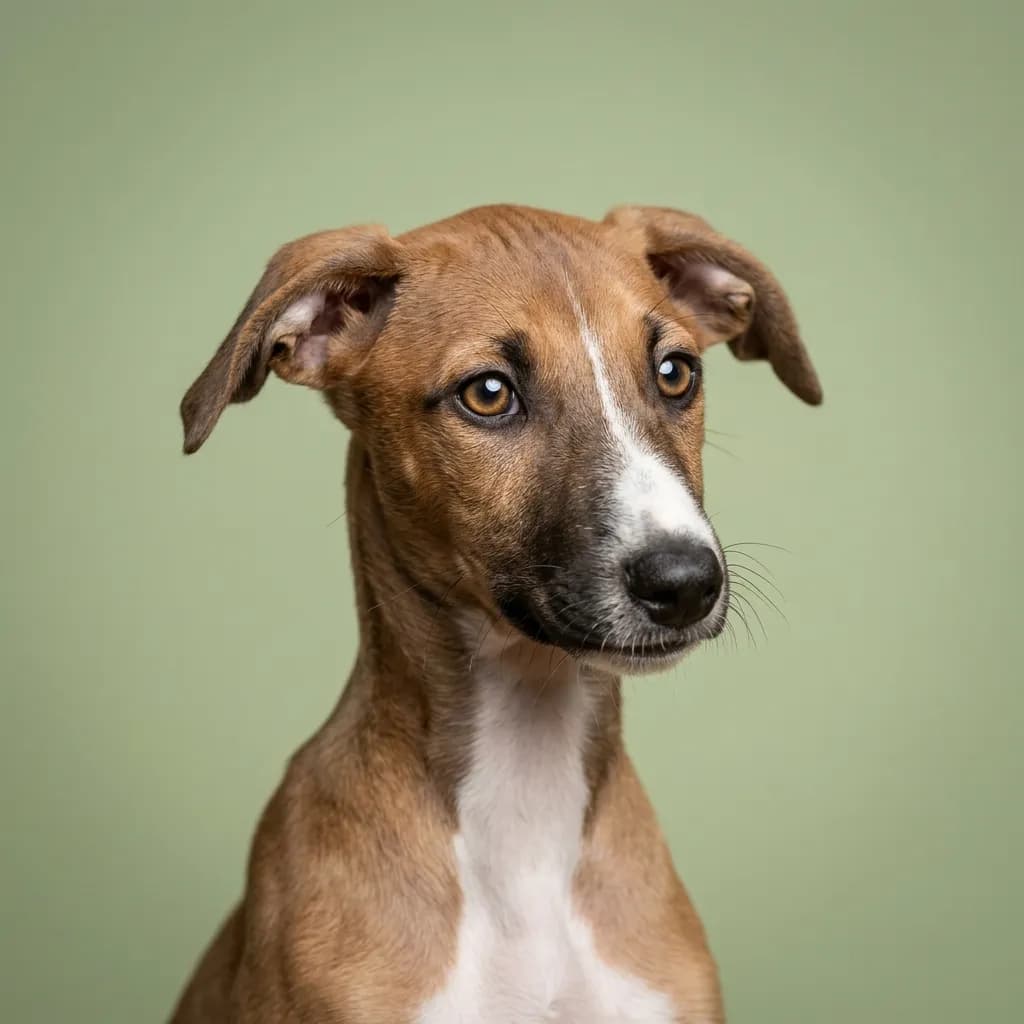
What Training a Azawakh Is Actually Like
Training an Azawakh is less about obedience drills and more about negotiation. These dogs are independent thinkers bred to work miles ahead of their handlers, coursing game across vast stretches of the Sahara with little to no direction. That autonomy shows up in every training session. They’re not stubborn in the way a terrier might be—they’re just deeply focused on what matters to them, which isn’t always you. Their Coren trainability tier is 5, meaning they learn new commands in 40 to 80 repetitions, and first-command obedience sits around 30%. That’s not a reflection of intelligence; it’s a reflection of motivation. They’ll figure out complex problems if it serves their curiosity, but they won’t jump through hoops just because you asked. Expect charm, affection, and moments of brilliance—but don’t expect automatic compliance. They bond intensely with their people and can be deeply affectionate, but that loyalty doesn’t come with an off-the-shelf desire to please.
Training Timeline
Start socialization immediately. The critical window is weeks 3 to 12, and missing it can lead to lasting fearfulness. Expose your Azawakh pup to varied surfaces, sounds, and people—calmly and positively. By 16 weeks, begin short training sessions using high-value rewards. Around 32 to 40 weeks, expect a second fear period. Back off formal training if your dog seems anxious; focus on confidence-building instead. Adolescence hits hard at 5 months and lasts until 14, so don’t mistake early progress for finished training. Basic commands may vanish temporarily. Crate manners and leash walking need reinforcement during this stretch. Maturity arrives around 9 months, but full emotional stability takes longer. By 14 months, you should see increased focus and willingness to engage—if the foundation is solid.
Breed-Specific Challenges
First, recall is a lifelong project. Their sighthound instincts run deep. A rabbit at 200 yards is more interesting than your voice, no matter how many treats you offer. Off-leash freedom requires a secure enclosure and years of consistent reinforcement. Second, sensitivity. Azawakhs don’t respond well to force or pressure. Harsh corrections shut them down fast. Third, aloofness with strangers. Early socialization helps, but they’ll never be a dog who wags at everyone. Finally, their patience-based methodology means they’ll tune out if bored. Long sessions or repetitive drills are wasted effort. They’re built for bursts of speed and keen observation, not obedience marathons.
What Works Best
Keep sessions short—5 to 10 minutes, 2 to 3 times a day. Use extremely high-value rewards: real meat, cheese, or commercial treats like Zuke's Mini Naturals. Avoid kibble in training; it won’t cut it. Incorporate scent games to tap into their hound heritage. Hide treats in grass or use indoor scent trails to build focus. Positive reinforcement is non-negotiable. Their AKC trainability rating of 2/5 isn’t a flaw—it’s a signal to adapt your approach. Train in low-distraction environments first, then slowly increase difficulty. Use their affection for you as leverage, but don’t rely on it. Pair verbal cues with movement-based signals; their sight hound wiring makes them highly responsive to motion. And above all, be patient. This isn’t a breed that learns fast, but when they commit, it’s because they’ve decided it’s worth it.
Crate Training Your Azawakh
An Azawakh needs a crate big enough to stand up, turn around, and lie down comfortably. For a puppy, go with a 36-inch crate and use a divider so they’re not swimming in space. These dogs are lean and leggy, not bulky, so they don’t need oversized accommodations. A properly sized space helps them feel secure, which matters because Azawakhs are independent but deeply loyal—they won’t settle if they feel exposed or stressed.
Crate acceptance doesn’t come naturally to most Azawakhs. They’re not stubborn like a terrier, but their 2/5 trainability means patience and precision matter. You can’t rush them. Use scent games to make the crate a destination: hide high-value treats like freeze-dried liver inside, and let them hunt. Keep sessions under five minutes. Two to three short sessions daily with scent work build positive association faster than food-only rewards.
Don’t expect long crating. Even adult Azawakhs shouldn’t stay crated more than 4 hours at a time. They’re moderately energetic with average separation tolerance, but their loyalty means they bond hard to their person. Left too long, they’ll stress, not nap. Puppies under six months? Max 2 hours, and only after potty breaks and heavy play.
They’re not chewers like a Lab, so chewing crate pads isn’t a big issue, but they might dig lightly at bedding—nesting behavior, not anxiety. Use a washable, durable pad they can’t shred. Avoid plastic crates; they’re too flimsy. Stick to wire or heavy-duty plastic with good airflow.
One quirk: Azawakhs often resist confinement if they can’t see you. Put the crate in the living area, not a back room. They’re quiet dogs—rarely bark—but if they do, it’s usually because they’re lonely, not protesting. Address that with proximity, not louder commands. Let them see you while they’re inside. That closeness builds trust faster than any command.
Potty Training Your Azawakh
Azawakhs are medium-sized dogs at about 44 pounds on average, so their bladder capacity is decent but not huge. Puppies will need frequent breaks—every 2 to 3 hours during the day—and most won’t reliably hold it through the night until they’re around 5 to 6 months old. Their size means they won’t have the same urinary limitations as a Chihuahua, but they’re not big enough to go all day without a potty chance either.
Trainability is where things get tricky. Azawakhs score a 2 out of 5 and fall into Coren’s Tier 5, meaning they’re on the slower side when it comes to learning commands and routines. They’re not disobedient, just independent thinkers who won’t jump just because you ask. They’re deeply affectionate with their people, but that loyalty doesn’t always translate to eagerness to please during training. This breed would rather assess the situation than rush to comply, so potty training requires consistency, not coercion.
Expect it to take 6 to 9 months for an Azawakh to become reliably house-trained, assuming consistent routines and supervision. Some individuals may catch on faster, but you’re working with a dog that learns in 40 to 80 repetitions, not 5 to 15. Rushing it will backfire.
One challenge is their sensitivity. Azawakhs are not fans of cold, wet, or muddy surfaces, so if your yard is soggy or chilly, they may refuse to go outside. This isn’t stubbornness for the sake of it—it’s discomfort. Use a covered or paved potty area if possible, and be patient in bad weather.
Rewards should be calm and quiet. High excitement can stress them. A soft “good” and a small, soft treat given after they finish (not during) work better than cheering. They respond to respect and routine, not force or fanfare. Stick with it, and they’ll get it—not on your schedule, but on theirs.
Leash Training Your Azawakh
Leash training an Azawakh isn’t about achieving perfect heel work—it’s about managing a dog who was built to spot movement three fields away and chase it at 40 miles per hour. Their 2/5 trainability score means you’ll need serious patience and consistency, especially since they’re independent thinkers bred to course gazelle across the Sahara. They don’t ignore you out of defiance; they’re just wired to prioritize motion and scent over your request to keep walking calmly.
Skip the collar. Azawakhs have long, narrow necks and delicate tracheas, so a well-fitted front-clip harness is non-negotiable. It gives you more control without risking injury when they lunge at a squirrel or freeze mid-stride to lock onto a distant jackrabbit. Even at 44 pounds, their strength and speed can yank you off your feet if you’re caught off guard.
Their prey drive is high, and while their energy level is moderate at 3/5, it’s explosive in short bursts. This means leash walks can go from calm to chaotic in a blink. Common issues include sudden lunging, stopping completely to fixate on something you can’t even see, or pulling hard the second they catch a scent trail. That’s not bad behavior—it’s their heritage talking.
Expect sniffing. As a sighthound with scent hound tendencies, they’ll pause often, head low, tracking invisible paths. This isn’t disobedience; it’s how they process the world. “Good” leash behavior for an Azawakh means they check in occasionally, respond to recall (sometimes), and don’t drag you across the street. Perfection is unrealistic. Focus on loose-leash walking with frequent breaks for sniffing and scanning the horizon. They’re deeply affectionate with their people, so use that bond—reward engagement, not just compliance. Keep sessions short, positive, and always end on a win.
“I just wish someone would tell me what to do and when to do it.”
Not generic puppy tips. Not a video course you’ll never finish. Just one email a week telling you exactly what to work on with your Azawakh, at the age they are right now. Nothing to sift through. Nothing to figure out. Just this week.
Get Started — It’s FreeTell us your breed and your puppy’s age. We’ll send you exactly what to work on this week.
Socializing Your Azawakh
Azawakh puppies have one of the narrowest, most critical socialization windows in the dog world. Their prime socialization period from weeks 3 to 12 overlaps almost entirely with their first fear period, which hits hard between weeks 8 and 11. That means the exact time you’re bringing your puppy home is also the time they’re most vulnerable to lasting negative impressions. Every experience during this stretch matters—especially the first three weeks in your home. Handle it right, and you’ve got a poised, quietly confident companion. Push too hard or miss key exposures, and you’re dealing with fallout for life.
These dogs were bred to spot movement across vast distances and chase down gazelle in the Sahara. That means they’re naturally suspicious of novelty, especially fast motion or unfamiliar people. They don’t need to meet every person they see, but they do need calm, positive exposure to a wide variety of humans—men, children, people wearing hats or moving quickly—starting the minute they arrive. Strange environments, sounds, and surfaces are just as important. They’ll shut down if overwhelmed, so keep sessions short and pressure-free. No forced interactions.
The biggest mistake owners make is assuming their Azawakh’s quiet nature means they’re “fine.” They’re not. This breed doesn’t bounce back from poor early socialization. Skip it, and you’ll get an adult dog that’s not just shy but rigidly reactive—lunging or freezing at things most dogs ignore. Their loyalty and affection run deep, but it’s reserved. Early socialization doesn’t make them outgoing; it makes their wariness manageable. A well-socialized Azawakh is still aloof with strangers, but they won’t panic when a kid runs past or a door slams. They’ll look to you, not explode. That’s the goal. Without it, their independence turns into emotional isolation, and that’s nearly impossible to fix after 9 months, when they emotionally mature. Start early, go slow, respect their sensitivity.