Training Your Bichon Frise
Diverse group with varied original purposes. Training approach should be tailored to the specific breed's heritage and temperament rather than group generalizations.
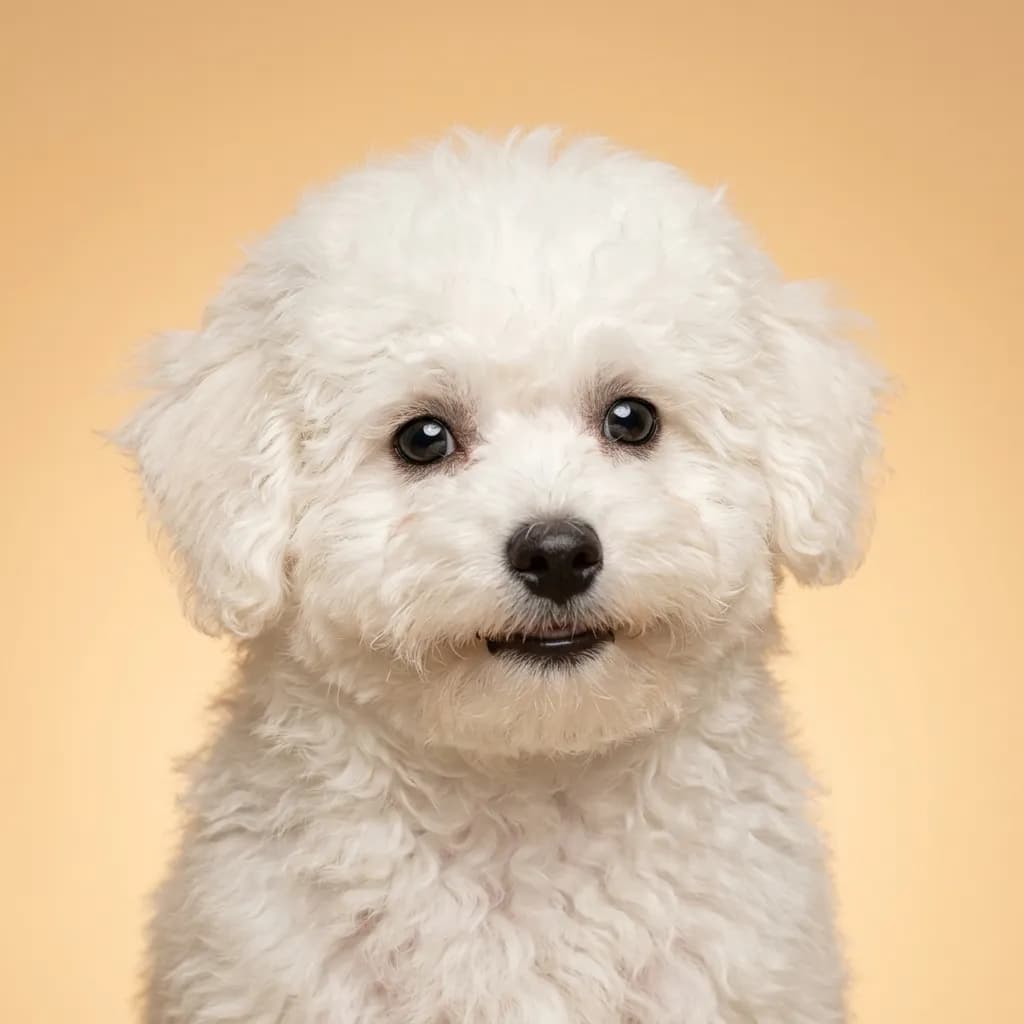
What Training a Bichon Frise Is Actually Like
Training a Bichon Frise is like working with a cheerful toddler who’s really good at distracting you with cuteness. They’re ranked in Coren’s Tier 4, which means they’re average in working/obedience intelligence—they’ll learn a new command in 25 to 40 repetitions, and obey the first command about half the time. But don’t let that discourage you. Their eagerness to please, combined with high energy and curiosity, makes them responsive when you keep things fun and consistent. They’re bred for companionship and entertaining, so they’re naturally tuned into human emotions and attention. That works in your favor if you use positive reinforcement, but it can backfire if they sense hesitation or inconsistency. They’ll test boundaries just to see what gets a reaction. Expect a lot of barking, some stubbornness around potty training, and a tendency to go full circus performer when bored. They’re smart enough to learn quickly, but not so driven that they’ll work for hours. Keep sessions short, upbeat, and reward heavily.
Training Timeline
Start training the day you bring your Bichon home at 8 weeks. The socialization window closes at 12 weeks, so prioritize exposure to people, sounds, and surfaces during that time. By 16 weeks, they should be enrolled in a puppy class and working on basic commands like sit, stay, and name recognition. Weeks 24 to 28 are critical—that’s their second fear period. Introduce nothing new or scary during this window. Stick to known environments and reinforce confidence with familiar cues and treats. Between 4 and 10 months is adolescence. This is when housebreaking regressions and selective hearing peak. Crate training helps. By 6 months, they’re mentally mature enough to handle longer focus, so increase command complexity. By 10 to 12 months, most Bichons have settled into their adult temperament, and consistent training should result in a reliable, responsive dog.
Breed-Specific Challenges
First, house training. It’s their biggest hurdle. Bichons are small, but they’re not naturally inclined to signal when they need to go. Many owners report it taking 6 to 9 months of consistent crate and schedule work before they’re fully reliable. Second, attention-seeking barking. They were bred to perform, and they’ll bark to get your eyes on them. If you laugh or react, even negatively, they’ll do it more. Third, grooming sensitivity. If not introduced early, they resist handling around feet, ears, and face—this creates problems for vet visits and coat maintenance. Start touch desensitization at 8 weeks. Fourth, separation anxiety. They bond tightly and don’t do well left alone for long stretches. Crating while you’re gone helps, but they need gradual solo time building from minutes to hours.
What Works Best
Use an adaptive mixed approach: keep it varied and positive. Sessions should be 5 to 10 minutes, 2 to 3 times daily—longer and they tune out. Their energy and mental stimulation needs are moderate to high, so weave training into play and walks. Praise is good, but food rewards are usually more effective, especially soft, high-value treats. Some Bichons respond better to toys or petting, so test what motivates yours. They respond best to a cheerful, upbeat tone—no harsh corrections. They shut down easily. Stick to a predictable routine, especially with potty breaks, and reward consistency over speed. They thrive on structure masked as fun.
Crate Training Your Bichon Frise
A Bichon Frise is a small dog, averaging around 15 pounds, so a 24-inch crate is usually sufficient for an adult. But if you’re starting with a puppy, get the 30-inch crate and use a divider. Bichons don’t grow massive, but they do need room to stand, turn, and stretch without being cramped, especially since they’re active and playful. A properly sized space prevents potty accidents and helps them feel secure, not confined.
These dogs are bright and eager to please, with a 4/5 on trainability, so crate training usually goes smoother than with more stubborn breeds. But their energy level is high—4/5—and their temperament is peppy and curious, which means they might resist the crate at first if they think they’re missing out. They don’t settle immediately. Expect some whining or light barking in the first few days, especially if you’re not nearby. They’re companion dogs by nature and don’t love being isolated.
A Bichon can handle about 3 to 4 hours crated during the day once they’re past puppyhood, but never push beyond that without a break. Puppies under six months shouldn’t be crated more than 2 to 3 hours at a stretch. They’ll need potty trips and mental stimulation to prevent restlessness.
One quirk: Bichons love to chew. They might mouth the crate bars or shred soft bedding, especially when young. Skip plush pads—go for chew-resistant ones like nylon or rubber. Some even dig at the floor of the crate out of boredom, so tire them out with play or a short training session before crating.
Make the crate a positive space with a chew toy or a stuffed Kong. Use high-value treats like small bits of chicken or freeze-dried liver when they go in willingly. And never use the crate as punishment. With consistency, most Bichons adapt within 2 to 3 weeks.
Potty Training Your Bichon Frise
Bichon Frises are smart and eager to please, which helps with potty training, but don’t let that fluffy face fool you—they’ve got a streak of independence. They rank 4 out of 5 for trainability and sit in Coren’s “Average” working dogs tier, meaning they pick things up in about 25 to 40 repetitions. But consistency is key. Their small size—averaging around 15 pounds—means a tiny bladder. You’re looking at a puppy who might need to go every 2 to 3 hours, even more often at first. Don’t expect overnight success. Most Bichons need 4 to 6 months to become reliably house-trained, and some take longer. Crate training is non-negotiable here; it sets the structure they need.
One real challenge with small breeds like the Bichon is they learn fast how to sneak off and potty behind the couch or in a quiet corner. Because they’re so small, they can access tight spaces, and if they catch the scent of past accidents, they’ll re-mark the spot. Use an enzymatic cleaner religiously. No exceptions. And supervise like a hawk during the early months—when you can’t watch, crate or confine.
Bichons respond extremely well to positive reinforcement, especially food rewards. Use small, soft treats they can gulp quickly so the focus stays on the behavior, not the snack. Praise matters too. They’re playful and peppy, so keep sessions upbeat and short. Don’t drill them; they’ll tune out. Take them out on a schedule—after meals, naps, and play—but also watch for signs they’re sniffing or circling.
They’re not stubborn like some terriers, but they’re curious enough to get distracted outdoors. Keep potty trips focused. No playtime until after they’ve gone. Once they’re consistent, you can relax a little. But even adult Bichons can regress if routines change, so stay consistent.
Leash Training Your Bichon Frise
A Bichon Frise is a tiny powerhouse at 15 pounds with a 4 out of 5 energy rating, so leash training needs to match their spark without overwhelming their frame. A soft, well-fitted harness is non-negotiable—collars can strain their delicate trachea, especially when they get excited. A a front-clip harness; it gives you more control when they spot a squirrel or decide the sidewalk crack is suddenly fascinating. Their prey drive isn’t off the charts like a terrier’s, but that curiosity and playfulness mean distractions are constant. They’re not bred to pull like a Malamute or round up sheep like a Border Collie. Instead, they were bred to charm nobility, which means they want to interact, prance, and look cute—not walk in a straight line. That’s the root of most leash issues: they don’t pull from strength or instinct so much as from eagerness and distraction. You’ll see bouncy walking, zigzagging, and sudden stops to investigate smells or people. “Good” leash behavior for a Bichon isn’t military precision. It’s them staying close, responding when you change direction, and not lunging at every leaf. They’re highly trainable—4 out of 5—so use that. Short, fun sessions with high-value treats work better than corrections. Keep training adaptive: some days you’ll use positive reinforcement, other days you might redirect with a toy or change direction when they surge ahead. Consistency matters more than method. With their peppy personality, leash walks should feel like an adventure, not a chore. If you make it engaging and predictable at the same time, they’ll learn to walk nicely without losing their joy. Expect progress, not perfection.
“I just wish someone would tell me what to do and when to do it.”
Not generic puppy tips. Not a video course you’ll never finish. Just one email a week telling you exactly what to work on with your Bichon Frise, at the age they are right now. Nothing to sift through. Nothing to figure out. Just this week.
Get Started — It’s FreeTell us your breed and your puppy’s age. We’ll send you exactly what to work on this week.
Socializing Your Bichon Frise
Bichon Frises are tiny social butterflies by design, bred for centuries to charm nobility, so their early socialization isn’t just helpful—it’s essential. Their socialization window opens at week 3 and closes hard around week 12, which means you’ve got a narrow runway. What makes it trickier? Their first fear period hits between weeks 8 and 11—right in the middle of that critical window. So when your Bichon is adjusting to your home, they’re also biologically wired to be extra cautious of new things. You can’t wait until they “settle in.” You have to start day one.
Bichons are naturally curious and peppy, which helps, but they tend to get suspicious of strangers, loud noises, and fast movements if not exposed early. Because they were bred to bond closely with people, they can develop attachment issues or become reactive if they don’t learn early that not every new person or dog is a threat. You need to expose them to a wide range of people—different ages, heights, clothing styles—plus household sounds, vacuums, skateboards, and kids yelling. Don’t just do “puppy playdates.” Real life is noisy, unpredictable, and full of weird stuff. Your Bichon needs to see it all before 12 weeks.
A common mistake? Assuming their cheerful demeanor means they’re fine. They’ll often freeze or go quiet when overwhelmed instead of growling, and owners miss the signs. Another mistake is overprotecting them—letting them hide from things instead of gently guiding them through with treats and calm reassurance. You want confident, not coddled.
Skip proper socialization and you’ll likely end up with a 6-month-old Bichon who barks at the mail carrier, trembles at the vet, or snaps when startled. Their adult temperament hinges on those first three months. Do it right and you’ve got a resilient, adaptable little clown. Skip it and you’ve got a fragile, reactive companion who’s stressed by everyday life.