Training Your Bloodhound
Independent thinkers bred to work ahead of handlers. Scent hounds follow their nose; sight hounds follow movement. Requires patience and high-value rewards.
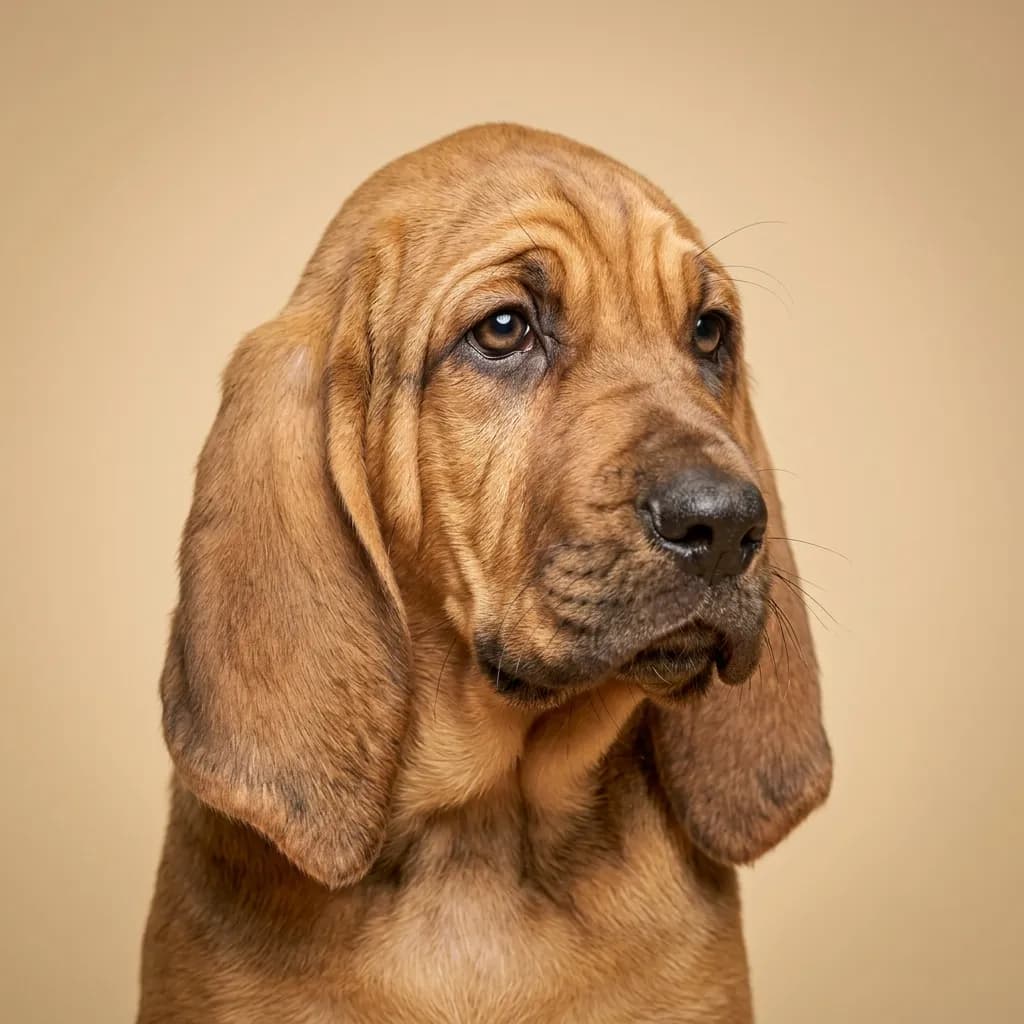
What Training a Bloodhound Is Actually Like
Training a Bloodhound isn’t like training most dogs. They’re in the lowest tier of working intelligence according to Coren’s rankings, meaning they need 80 to 100 repetitions to learn a new command—and even then, they might choose not to respond if something more interesting crosses their path. That’s not stubbornness in the typical sense. It’s focus. Bloodhounds were bred to track human scent for miles, working independently far ahead of their handler. They’re hardwired to follow their nose, not your voice. This makes them incredibly reliable in search and rescue roles but frustrating for owners who expect instant obedience. Don’t get me wrong—they’re friendly, gentle, and deeply inquisitive. But they’re not eager-to-please like a Border Collie. Expect slow progress, frequent setbacks, and moments when you wonder if they remember your name. If you’re patient, creative, and consistent, you’ll build a bond that works with their instincts, not against them.
Training Timeline
Start at 8 weeks: socialize aggressively. Their critical window closes at 12 weeks, so expose them to every person, sound, surface, and dog you can. Use high-value treats—real meat, not kibble—to create positive associations. At 6 months, you’ll hit their first real test: they’re physically clumsy but scent-driven. Keep recalls fun with drag-lead walks in safe, enclosed areas. Around 14 months, brace for the second fear period (weeks 56–72 is late, but real). A noise, a stranger, even a familiar object might spook them. Go back to basics, avoid force, and rebuild confidence slowly. Adolescence lasts until 24 months. That’s two full years of puppy brain. They won’t mature mentally until 20 months, so don’t expect reliability before then. Keep training short, positive, and scent-focused.
Breed-Specific Challenges
First, recall is a lifelong project. Bloodhounds have a 25% first-command obedience rate. Once they catch a scent, they’re gone—no matter how well-trained they seemed. A secure, tall fence is non-negotiable. Second, they’re independent decision-makers. You can’t out-will a Bloodhound. They’re not trying to defy you; they’re doing what they were literally designed to do. Third, their size—95 pounds on average—means poor manners are dangerous. A jumping Bloodhound can knock over an elderly person. Start impulse control at 8 weeks. Finally, their scent drive can overwhelm other training. They’re not ignoring you; they’re processing a complex odor trail you can’t even detect. Manage environments early to avoid reinforcing off-leash bolting.
What Works Best
Short sessions—5 minutes, 2-3 times a day—are essential. Their attention span is limited, especially before 18 months. Use extremely high-value rewards: cooked chicken, liver, or cheese. Regular treats won’t compete with the scent of a raccoon in the woods. Build training around scent games: hide treats, play “find it,” or introduce tracking drills early. This taps into their natural strengths and satisfies mental stimulation needs. Use a check-and-reward rhythm: 2-3 steps on leash, check back, reward. It builds focus without fighting their instincts. Never rely on voice commands alone in open areas. And no matter how cute the puppy eyes are—never let them drag you on walks. You’ll regret it when they’re 100 pounds and scent-locked.
Crate Training Your Bloodhound
A Bloodhound needs a big crate—think 48 inches minimum—even if you’re starting with a puppy. Because they’re giant breed dogs and grow fast, going up in size early saves you money in the long run. Use a divider at first so the puppy doesn’t have too much space, which can encourage potty accidents. But be ready to remove it by 4 to 5 months; Bloodhounds fill out quickly and need room to stretch.
Crate acceptance isn’t usually a battle with this breed, but not because they’re eager to please. They’re independent and inquisitive, so if the crate isn’t interesting or rewarding, they’ll ignore it. That’s where scent work comes in. Toss a treat inside and let them hunt it, or freeze a smear of chicken broth in a Kong to keep them occupied. High-value treats like freeze-dried liver work better than kibble—make the crate the most tempting spot in the house.
Bloodhounds settle fairly well once tired, but their 3/5 energy level means short, frequent sessions beat marathon training. Five minutes, three times a day, with scent games as rewards. They don’t do well with long crating—max 4 hours as an adult, even less for puppies. They’re friendly and tolerate solitude better than some breeds, but their noses won’t stop working. A bored Bloodhound will dig, chew the pad, or bark if something smells intriguing outside.
They’re chewers by nature, so skip plush bedding at first. Use a durable rubber mat and monitor for crate pad destruction. If they start pawing at the crate walls, it’s not anxiety—it’s curiosity. Keep sessions positive and end before they get restless. Use their scent drive to your advantage. Let them follow a trail of treats into the crate, then close the door casually. Over time, they’ll associate it with discovery, not confinement.
Potty Training Your Bloodhound
Bloodhounds are big dogs with big noses and even bigger distractions. Their size means they have a decent bladder capacity early on—most adults can hold it 8 to 10 hours—but that doesn’t mean they’ll figure out where to use it without consistency. Don’t assume their size equals mature habits; they’re still goofy, scent-driven puppies in giant bodies until around 2 years old.
Trainability is officially rated 4 out of 5, but don’t let that fool you. They’re smart in their own way, just not wired to care about pleasing you the way a Border Collie would. Bloodhounds are independent and inquisitive, which means once they catch a whiff of something interesting, your potty routine goes out the window. You’ll call, they’ll look at you, then follow a leaf across the yard like it’s the trail of a fugitive. This breed ranks in Coren’s lowest tier for obedience, needing 80 to 100 repetitions to learn a new command. That’s patience on hard mode.
Realistically, expect 6 to 9 months for reliable house training, and even then, lapses happen into their second year. Crate training helps, but their size means you’ll need a large space—most standard crates max out before a 95-pound hound is comfortable. Plan ahead.
The biggest challenge? Distraction. Take them out, and they’re not thinking about peeing, they’re analyzing every molecule in the breeze. Keep potty trips boring and on a short leash. No play, no exploration—same spot, same routine.
Rewards need to be high-value. Think real meat, not kibble. Praise helps, but food seals the deal. Use a consistent cue word and reward within seconds of them going. They might not care about your approval, but they definitely care about chicken.
Leash Training Your Bloodhound
Bloodhounds are built for one thing above all: following a scent. That single-minded focus means leash training isn’t about achieving perfect heel work—it’s about managing a 95-pound nose that’s constantly scanning the ground for the next interesting trail. You’re not going to change their instinct, but you can work with it. Start with the right gear. A front-clip harness is non-negotiable. These dogs are strong, and even with their moderate 3/5 energy, they can yank you off your feet when they catch a whiff. A back-clip harness or collar won’t give you enough control and risks neck injury on such a powerful puller. The front-clip design redirects their momentum, making it easier to guide them back to you.
Their trainability score of 4/5 helps, but it comes with asterisks. They’re smart and friendly, yes, but also deeply independent and inquisitive. When they lock onto a scent, commands might as well be background noise. That’s not disobedience—it’s biology. They were bred for law enforcement and search and rescue tracking, so stopping to sniff isn’t a distraction; it’s their job. The most common leash issue? Sudden stops, intense sniffing sessions, and pulling toward anything that smells interesting. You’ll see less weaving or sprinting like herding breeds, but more stubborn anchoring when a scent trail peaks their curiosity.
Realistic expectations matter. "Good" leash behavior in a Bloodhound means occasional loose-leash walking punctuated by planned sniff breaks, not constant attention. Use positive reinforcement and short, scent-based games during walks to build engagement. Let them sniff—it’s mental exercise—but teach a cue like "find it" so you control when the search begins and ends. Patience isn’t just a virtue with this breed. It’s the entire methodology.
“I just wish someone would tell me what to do and when to do it.”
Not generic puppy tips. Not a video course you’ll never finish. Just one email a week telling you exactly what to work on with your Bloodhound, at the age they are right now. Nothing to sift through. Nothing to figure out. Just this week.
Get Started — It’s FreeTell us your breed and your puppy’s age. We’ll send you exactly what to work on this week.
Socializing Your Bloodhound
Bloodhounds have one of the narrowest, most critical socialization windows of any breed because their prime learning period—weeks 3 to 12—overlaps directly with their first fear period at 8 to 11 weeks. That means the very time you’re trying to build confidence, your puppy is biologically primed to be cautious. Miss this window and you’re setting up a giant, 95-pound dog who may freeze or shut down in new situations later on.
These dogs need massive exposure to surfaces, sounds, and movement—not just people and dogs. Bloodhounds were built to trail human scent over rough terrain, so they’ll happily ignore you if something smells interesting. That independence means you must socialize them to distractions early: traffic noise, rustling leaves, gravel underfoot, even umbrellas popping open. They aren’t naturally wary of people—most are friendly to a fault—but they are wary of sudden stimuli during that fear period. A loud motorcycle backfiring at 10 weeks can stick with them for life if not handled right.
The biggest mistake owners make is assuming their sweet temperament means socialization isn’t urgent. It is. Without consistent, positive exposure during those first 12 weeks, you end up with a mature dog—fully grown by 20 months—who’s easily spooked or overly reactive to novelty. And because they’re giant and strong, a startled Bloodhound on leash can yank you down or bolt toward a scent trail with zero regard for traffic.
You have to be proactive. Take them everywhere legal and safe between 8 and 12 weeks, even if they’re not fully vaccinated. Carry them into busy parking lots, let them watch leaf blowers from a distance, feed treats near squeaky carts. Their adult calm in chaos depends on how much the world felt normal before they hit full size. Socialization isn’t optional with this breed. It’s damage prevention.