Training Your Borzoi
Independent thinkers bred to work ahead of handlers. Scent hounds follow their nose; sight hounds follow movement. Requires patience and high-value rewards.
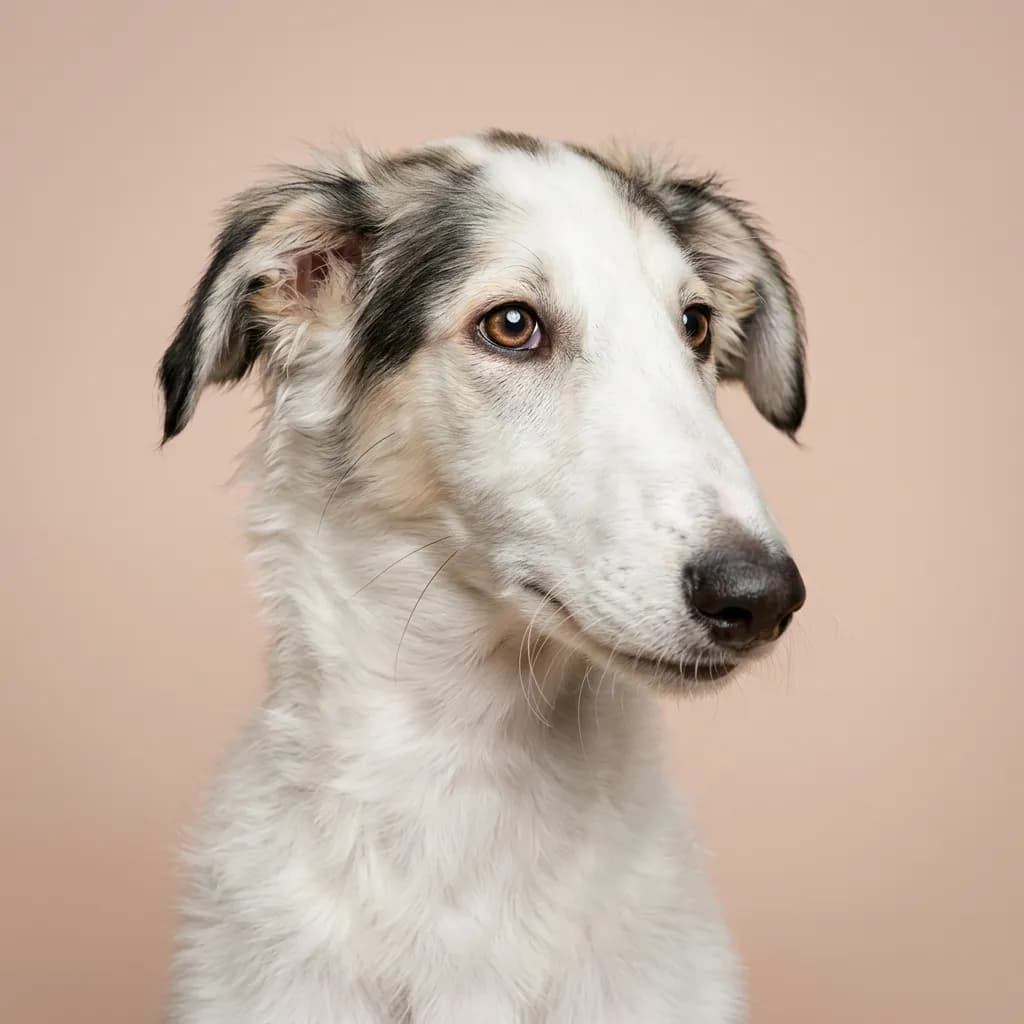
What Training a Borzoi Is Actually Like
Training a Borzoi is less about obedience drills and more about negotiation with a dignified athlete who’d rather chase shadows than sit on cue. They’re in the lowest tier of working intelligence per Coren’s rankings, needing 80 to 100 repetitions to learn a new command, and they’ll only respond about 25% of the time on the first try. That’s not stubbornness—it’s purpose. Bred to course wolves and hares across open Russian steppes, they were designed to work independently, far ahead of human handlers, relying on sight and speed. That independence means they won’t jump to please you like a Retriever. They’re affectionate and loyal in their own regal way, but they’ll assess whether your request is worth their effort. You’re not breaking a spirit; you’re earning cooperation. Expect slow progress, frequent distractions, and moments where they simply opt out. But when they do engage, it’s deeply rewarding—like earning a nod from a noble relative.
Training Timeline
Start at 8 weeks: socialization is urgent. Your Borzoi’s prime window closes at 12 weeks, so flood them with positive experiences—different people, surfaces, sounds. Use high-value treats like freeze-dried liver to build positive associations. By 16 weeks, begin short leash manners practice. Keep sessions under 3 minutes—attention spans are short. At 6 months, adolescence hits hard and lasts until 18 months. They’ll test boundaries, ignore cues, and chase anything that moves. Introduce recall with a long line, never rely on off-leash freedom. Around 10 to 12 months, expect a second fear period (weeks 44–56). Avoid forcing interactions; go back to basics with confidence-building games. Full maturity comes at 14 months, but mental development lags behind physical growth. Continue structured training through 18 months. Formal obedience will take longer than average—plan for 6 to 8 months of consistent work for reliable responses.
Breed-Specific Challenges
First, recall is a lifelong project. Their instinct to chase is intense and hardwired. Once they lock onto movement, they’re gone—no amount of prior training will override that impulse in an unsecured area. Second, their low trainability score means repetition is non-negotiable. You’ll need patience and consistency, especially during adolescence. Third, their size and energy demand space. They’re not suited for apartments or tight urban environments. A bored Borzoi in a small yard will find ways to escape or develop obsessive behaviors. Fourth, their prey drive makes cohabitation with small pets risky, even if raised together. That instinct doesn’t disappear with socialization.
What Works Best
Short sessions—2 to 5 minutes, 2 to 3 times daily—are essential. Their focus is fleeting. Use extremely high-value rewards: real meat, tripe, or cheese. Kibble won’t cut it. Incorporate scent games and lure coursing to fulfill their need for mental stimulation. These activities tap into their natural instincts and build focus you can redirect to training. Use a calm, consistent tone—loud corrections backfire. Positive reinforcement with patience is the only path. Train in low-distraction areas first and slowly increase difficulty. And always, always keep them leashed or in a securely fenced area. No amount of training guarantees recall in a high-drive moment. Respect the breed, work with their instincts, and you’ll build a partnership that’s as graceful as they are.
Crate Training Your Borzoi
You’ll need a 42-inch crate for an adult Borzoi. That’s non-negotiable. Even as a puppy, skip the smaller crate with a divider—Borzoi grow fast, and their long legs and necks mean they need space to stretch early. A crate that’s too small will make them resent it, and with their regal dignity, they won’t hide that displeasure. Start with the big one, make it cozy, and let them claim it like a throne.
Borzoi are affectionate and loyal, but they’re also independent thinkers with low trainability scores, so crate training takes serious patience. Don’t expect them to settle quickly. They’re not anxious dogs, but they’re not eager to please like a Border Collie. Their 4/5 energy level means they’ll need solid exercise before crating—think two miles of off-leash running or fast play. A tired Borzoi is more likely to walk in and lie down than one still buzzing from zoomies.
They don’t fight crates aggressively, but they’ll ignore yours completely if they’re not motivated. Use extremely high-value treats—think shredded roast chicken or freeze-dried liver—and pair crate time with scent games. Toss a treat into the crate and let them hunt it. This taps into their natural scent_patience style and turns the crate into a puzzle, not a prison.
They’re not big barkers, but they might whine if left too long. Adult Borzoi can handle 4 to 5 hours crated, but don’t push it. More than that and they’ll start digging at the pad or chewing it—some do, especially if bored. Reinforce the crate as a positive space daily, not just when you’re leaving. And never use it as punishment. These dogs remember. They’re dignified, yes, but they’ve got long memories for slights. Keep it kind, keep it consistent, and let them walk in on their own terms.
Potty Training Your Borzoi
Potty training a Borzoi is not for the impatient. These elegant, large dogs average 82 pounds and have decent bladder capacity, which helps a little. But don’t let that fool you—because their regally dignified temperament means they’d rather ignore you than rush outside. Borzois are affectionate and loyal, yes, but eager to please? Not really. With a trainability score of 2 out of 5 and ranked in Coren’s lowest tier, they often learn commands after 80 to 100 repetitions. That same stubbornness applies to potty training. They’re not defiant, just thoroughly independent. They’ll go when they’re ready, not because you said so.
Realistically, expect 5 to 8 months before your Borzoi is reliably house-trained. Some will take even longer. Their size means they can hold it, but that doesn’t mean they will, especially if they’re distracted or in deep relaxation mode—which they often are. A bored or unsupervised Borzoi might simply decide the backyard can wait. And because they’re not hyper-attuned to your cues like a Golden Retriever, you can’t rely on them to signal when they need to go. You have to be proactive.
Breed-specific challenges include their tendency to become deeply absorbed in sights or scents during outdoor time. They’re sighthounds, so a squirrel at 50 yards might completely derail your potty mission. You’ll need consistency and timing. Take them out on a strict schedule—after meals, naps, and play sessions—and keep potty trips short and focused.
Rewards? Don’t skimp. High-value treats like small pieces of chicken or freeze-dried liver work best. Praise is nice, but food gets their attention. And make sure the reward comes immediately after they finish. Borzois aren’t quick learners, so timing is everything. Be patient, be consistent, and accept that they’ll do it on their own aristocratic timetable.
Leash Training Your Borzoi
Leash training a Borzoi isn’t about turning them into a obedient heel machine. It’s about managing a 82-pound sighthound with the heart of a wolf chaser and the dignity of a tsar. These dogs were bred to spot movement at 800 yards, sprint across open steppes, and take down game by sight and speed, not follow commands mid-gallop. That instinct doesn’t vanish on a walk. Their prey drive is explosive and singular. A squirrel isn’t a distraction. It’s a biological imperative.
Because of their deep chest, long neck, and tendency to surge forward when excited, a front-clip harness is non-negotiable. A collar—even a martingale—puts too much pressure on their delicate trachea and won’t stop the lunge. A front-clip harness gives you some control when that deer-shaped shadow moves in the bushes. But don’t expect miracles. Even well-trained Borzois will freeze, point, or try to bolt. That’s not defiance. That’s genetics.
Their trainability score of 2/5 isn’t about intelligence. It’s about motivation. Borzois aren’t eager to please like a Border Collie. They’re independent, regally indifferent, and easily bored. Leash training works best with patience, high-value treats (think chicken, not kibble), and short sessions that respect their temperament. Use their scent drive to your advantage—let them sniff as a reward, but on your terms.
Common leash problems? Pulling, stopping dead mid-walk to stare into the distance, and selective hearing. They don’t ignore you out of spite. They literally don’t hear you when they’re locked onto movement.
Realistic expectations? A Borzoi that walks loosely on a leash in low-distraction areas, checks in occasionally, and responds to recall sometimes. They’ll never master perfect heel. But with consistency, you can have a dog who doesn’t drag you down the block and can safely enjoy open spaces—on a long line, not a leash.
“I just wish someone would tell me what to do and when to do it.”
Not generic puppy tips. Not a video course you’ll never finish. Just one email a week telling you exactly what to work on with your Borzoi, at the age they are right now. Nothing to sift through. Nothing to figure out. Just this week.
Get Started — It’s FreeTell us your breed and your puppy’s age. We’ll send you exactly what to work on this week.
Socializing Your Borzoi
You’ve got a narrow window with a Borzoi puppy—weeks 3 to 12 are critical, and that overlaps directly with their first fear period from weeks 8 to 11. That means you can’t afford to be wishy-washy. You need to be proactive but not pushy. These pups were bred to spot movement on the open steppes and make split-second decisions. Their wiring leans toward caution, not instant friendliness. If you miss that window or mishandle it, you’re likely to end up with a 82-pound dog who freezes or veers away from anything new instead of checking it out calmly.
Borzois need more exposure to sudden movements, loud noises, and unfamiliar people—especially men and people wearing hats or carrying objects. They weren’t bred to guard, but their hound independence means they don’t automatically trust newcomers. A Borzoi who hasn’t met diverse people by 12 weeks might never fully relax around strangers. And because they’re coursing dogs, they’re hardwired to chase fast motion. That means kids running, squirrels, bikes—all need to be introduced early and in a controlled way so they learn restraint.
Common mistake? Assuming their quiet nature means they’re fine. They might not react, but that doesn’t mean they’re processing things well. Forcing them into overwhelming situations during weeks 8–11 can cause lasting sensitivities. Instead, use distance, praise, and food to build positive associations. Let them observe from a few feet away. Let them decide when to approach.
Skip proper socialization and you’ll likely end up with a regally aloof adult who’s loyal to family but tense in new environments. They won’t become aggressive, but they’ll be hard to manage off-leash, reactive to movement, and hesitant in everyday situations. Early, calm, consistent exposure is the only way to raise a Borzoi who’s truly dignified—not just distant.