Training Your Chinese Shar-Pei
Diverse group with varied original purposes. Training approach should be tailored to the specific breed's heritage and temperament rather than group generalizations.
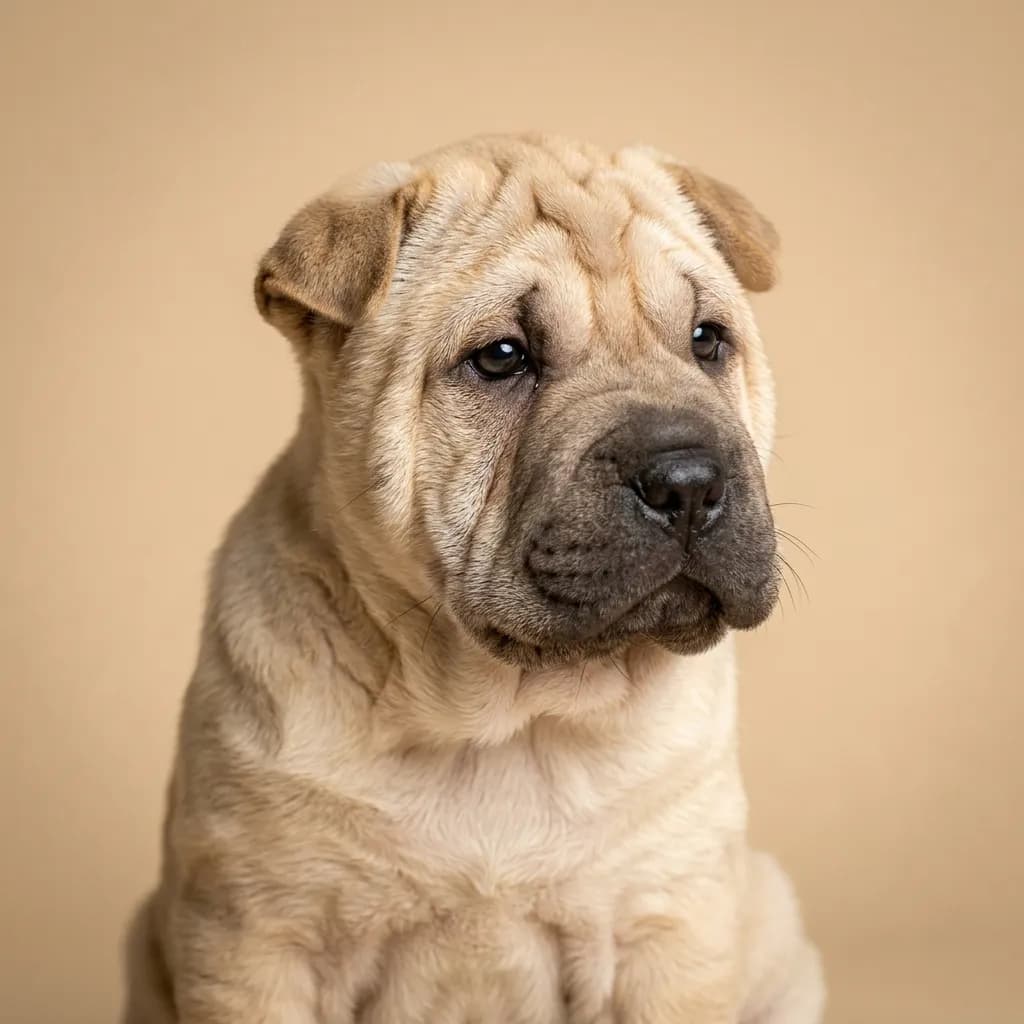
What Training a Chinese Shar-Pei Is Actually Like
Training a Shar-Pei isn’t about dominance or force—it’s about negotiation. These dogs are independent thinkers with a calm exterior and a stubborn streak underneath. Bred for guarding and herding in ancient China, they were never meant to follow orders blindly. That shows in their Coren trainability tier: Average, meaning they need 25 to 40 repetitions to learn a new command, and they’ll only respond about half the time on the first try. They’re not untrainable, but they are selective. If they don’t see the point, they won’t do it. They’re loyal and deeply bonded to their people, but that loyalty doesn’t translate into instant obedience. You’ll need consistency, patience, and a sense of humor. They’re not hyperactive—energy and mental stimulation needs are moderate—but they do require clear, calm leadership. Start early, especially with socialization, because their reserved nature can tip into wariness if not properly managed.
Training Timeline
Start at 8 weeks with basic handling and positive exposure—this is peak socialization window (3–12 weeks). Introduce new people, surfaces, sounds, and other dogs carefully. Use treats and praise liberally. By 12 weeks, begin crate training and name recognition. Between 3–6 months, focus on sit, stay, come, and loose-leash walking. Keep sessions short—5 minutes max—twice a day. The second fear period hits between weeks 44 and 56 (around 10–14 months), so avoid forced interactions or corrections. Stick to known routines and reinforce confidence. Adolescence runs from 6 to 18 months, and this is when independence spikes. Expect testing of boundaries. Keep training consistent but low-pressure. Maturity hits around 14 months, and that’s when you’ll finally see more stable behavior. Continue reinforcement through 18 months to lock in habits.
Breed-Specific Challenges
First, their independence. Shar-Peis don’t crave praise the way Labs or Shepherds do, so traditional reward-based training can fall flat if you’re not tuned into what they find motivating. Second, their guarding instinct. They’re naturally suspicious of strangers and new situations, which can lead to reactivity or aloofness if not socialized early and thoroughly. Third, same-sex aggression—especially between dogs of the same sex—is common. If you’re introducing another dog, proceed with caution. And fourth, their sensitivity. Despite their tough look, they’re easily stressed by harsh tones or punishment, which shuts down learning fast. They respond better to calm, confident direction than to force.
What Works Best
Use an adaptive mixed approach. Short sessions—5 to 10 minutes—work best, especially during adolescence. Train 2 to 3 times daily, focusing on one command at a time. Rewards need to be high-value; many Shar-Peis respond better to food than praise alone. Try freeze-dried liver or cheese. Avoid repetition drills—they’ll tune out. Instead, reinforce known behaviors in new environments gradually. Training methods should be positive but structured. They respect consistency, so use the same cues and routines. Clicker training can work if introduced early, but only if the dog is food-motivated. Above all, respect their pace. Push too hard and they’ll disengage. Work with their temperament, not against it, and you’ll build a dog who chooses to listen, not one who has to.
Crate Training Your Chinese Shar-Pei
A full-grown Chinese Shar-Pei averages 52 pounds and needs a 36-inch crate minimum. If you're starting with a puppy, use a divider—Shar-Pei grow steadily and hit most of their adult size by 10 to 12 months, so a properly sized crate from the start with a divider is smart. This prevents them from soiling one end and sleeping in the other, which they’re more likely to do than some other breeds because of their calm but independent nature.
Shar-Pei aren’t high-energy dogs, sitting at a 3/5, and that works in your favor for crate training. They tend to settle quickly once they accept the crate as their space, but getting there can take patience because they’re also independent thinkers with a 3/5 trainability rating. Don’t expect instant buy-in. Use positive reinforcement—treats, meals, and favorite chew toys inside—but keep it low-key. Over-enthusiasm can actually make a Shar-Pei suspicious. They’re loyal and observant, so consistency matters more than excitement.
Adult Shar-Pei can handle 6 to 8 hours crated if needed, but only after full training and maturity. Puppies shouldn’t exceed their age in months plus one hour—so a 4-month-old maxes out at 5 hours. Their separation tolerance is moderate; they don’t typically panic, but they also don’t love being ignored. Crate placement matters—put it where the family hangs out so they feel included.
One quirk: their loose lips and tendency to drool mean you’ll want a crate pad that’s easy to wipe or replace. They’re not big chewers, but some will dig at bedding out of boredom, so go for durable, non-pill materials. And while they aren’t excessive barkers, a stressed Shar-Pei might grunt or groan—they’re vocal in their own weird way. Ignore the noises if they’re not distress signals; they’ll settle.
Potty Training Your Chinese Shar-Pei
Shar-Peis are large dogs, averaging around 52 pounds, which means they have a decent bladder capacity from a young age. That helps a bit, but don’t count on that alone to make potty training easy. Because they’re independent by nature and only average in trainability—ranked in Coren’s Tier 4—they don’t rush to please you the way a Labrador or Border Collie might. You’re working with a dog who weighs the effort against the reward, so consistency has to be your anchor.
Expect it to take 25 to 40 repetitions for your Shar-Pei to reliably learn a new cue, and potty training is no different. Realistically, most Shar-Peis need 4 to 6 months to be fully house-trained, sometimes longer. Some owners report setbacks around 5 months when the puppy seems to regress—this is normal. Stick to the routine and don’t bend the rules.
One breed-specific challenge is their calm demeanor. They won’t always signal urgency like a hyper Jack Russell might. You can’t rely on restlessness to tell you they need to go. Instead, you have to be proactive—take them out every 2 to 3 hours, after meals, naps, and play sessions. Missing a window can mean accidents, and Shar-Peis are observant. If they succeed indoors once, they might try again.
Rewards need to be meaningful. This isn’t a breed that lives for praise alone. Use high-value treats—small bits of chicken or cheese—and deliver them immediately after they finish outside. Timing is critical. Praise softly, but let the food do the talking. Avoid scolding for accidents. Shar-Peis can be sensitive, and harsh reactions backfire, making them sneaky about eliminating instead of learning.
Crate training helps, but keep sessions short and the space clean. A dirty crate will undo progress fast. Patience, predictability, and a good sense of humor will get you through. Shar-Peis aren’t the easiest, but they’re worth it when they finally get it.
Leash Training Your Chinese Shar-Pei
Leash training a Chinese Shar-Pei means working with a dog who’s built like a tank but thinks like a philosopher. They’re strong—averaging 52 pounds with a low center of gravity—so a standard collar won’t cut it. Go straight for a well-fitted front-clip harness. It gives you leverage without risking their sensitive trachea, especially since some Shar-Peis have mild brachycephalic traits. Skip the no-pull collars; they’re too harsh for this breed’s independent but not aggressive nature. A front-clip harness helps redirect their natural tendency to amble forward without yanking their neck.
Their energy is moderate—3 out of 5—so they’re not going to drag you down the block like a husky, but they’re not eager-to-please lapdogs either. Trainability is also mid-tier. They’re smart, but they’d rather assess the situation than obey on the first ask. That independence comes from centuries of working as hunters, herders, and guardians in ancient China. They were bred to make decisions on their own, not wait for direction. That means they’ll stop to assess, block a passerby they don’t like, or plant their feet when uncertain. You won’t see much prey drive explosion, but they’re alert and suspicious by nature, so expect pauses at thresholds or when strangers approach.
Common leash issues? Stiff resistance when they’re unsure, guarding space, and “selective hearing” when something piques their interest. They’re calm, but their loyalty can turn protective, especially if they sense a threat.
Realistic expectations? A well-leash-trained Shar-Pei walks beside you most of the time, doesn’t lunge, and responds after one or two cues. They’ll never prance like a golden, and that’s fine. Focus on loose-leash walking with patience, consistency, and positive reinforcement. They respond best to calm, confident leadership—not force.
“I just wish someone would tell me what to do and when to do it.”
Not generic puppy tips. Not a video course you’ll never finish. Just one email a week telling you exactly what to work on with your Chinese Shar-Pei, at the age they are right now. Nothing to sift through. Nothing to figure out. Just this week.
Get Started — It’s FreeTell us your breed and your puppy’s age. We’ll send you exactly what to work on this week.
Socializing Your Chinese Shar-Pei
Shar-Peis are independent and loyal dogs with a guardian instinct baked into their DNA, and that means their socialization window—weeks 3 to 12—is both critical and tricky. What you’ve got to know is that this prime socialization window overlaps almost exactly with their first fear period, weeks 8 to 11. That’s when their natural wariness spikes, and if you’re not careful, a scary experience can stick for life. You can’t just throw them into crowds or loud situations. You’ve got to be strategic: controlled, positive exposures, not overwhelming ones.
Because they were bred to guard and work independently in ancient China, Shar-Peis are naturally suspicious of strangers and slow to warm up. That means they need more exposure to a wide variety of people—different ages, ethnicities, heights, and those wearing hats, uniforms, or carrying bags. They also need consistent, calm exposure to other dogs, especially early on. Letting them observe from a safe distance is fine, but avoid forced interactions.
A common mistake with Shar-Peis is assuming their calm demeanor means they don’t need much socialization. They’re not high-energy, so owners sometimes think they’re “fine” when they’re actually just shutting down. Another misstep is overprotecting them during their fear period instead of gently guiding them through new experiences with confidence.
If you skip early socialization, you’re not just raising a shy dog—you’re likely raising a dog that’s reactive or overly defensive as an adult. At 14 months, their temperament solidifies, and undoing poor early experiences is tough. A well-socialized Shar-Pei is still going to be discerning, not a tail-wagging greeter, but they’ll be confident, not confrontational. That’s the goal.