Training Your Chow Chow
Diverse group with varied original purposes. Training approach should be tailored to the specific breed's heritage and temperament rather than group generalizations.
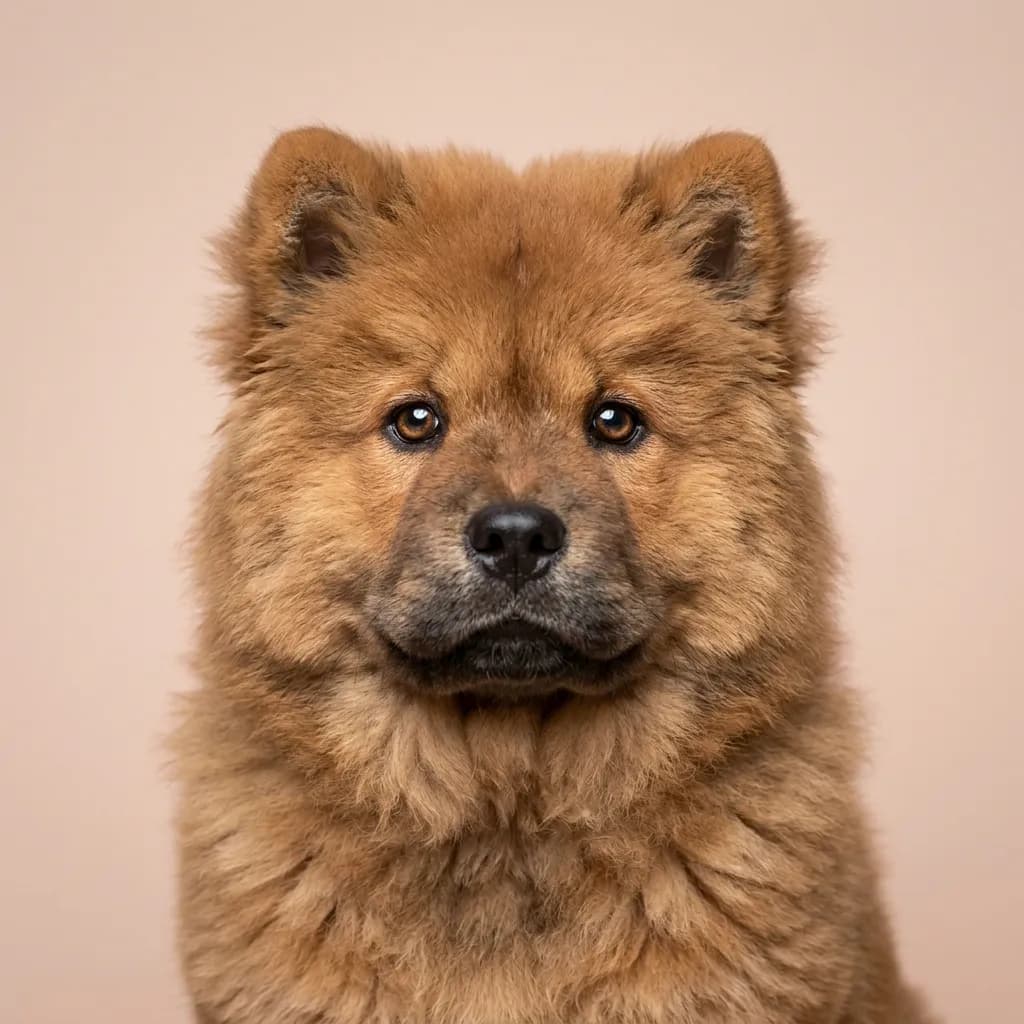
What Training a Chow Chow Is Actually Like
Training a Chow Chow isn’t about obedience drills or endless repetitions. It’s more like negotiating with a very opinionated roommate who happens to be incredibly intelligent but only mildly interested in impressing you. They're ranked in Coren’s lowest tier for working obedience, meaning they need 80 to 100 repetitions to learn a new command, and even then, they’ll perform it on their terms about 25% of the time. That doesn’t mean they’re dumb; they’re bright in their own way, just selective about when to apply it. This breed was bred for independence—guarding temples, pulling sleds, and herding in ancient China. They had to make decisions without human input, and that mindset hasn’t faded. They’re serious-minded, dignified, and not particularly eager to please. If you’re a first-time dog owner or expect instant results, this isn’t your breed. They need consistency, early socialization, and an owner who respects their boundaries while still setting clear limits.
Training Timeline
Start at 8 weeks with basic handling, name recognition, and short socialization bursts—3 to 5 minutes, several times a day. The critical window closes at 12 weeks, so expose them carefully to people, sounds, and surfaces. Between 6 and 14 months, expect adolescence to hit hard. This overlaps with a second fear period at 11 to 14 months (weeks 44–56), so avoid forced interactions. Keep training calm and predictable. Introduce commands like “sit” and “stay” around 4 months, but expect slow progress. By 14 months, when they reach full maturity, you’ll see more consistency. Use this phase to reinforce known cues and build reliability. Adolescence drags until 18 months, so patience is non-negotiable.
Breed-Specific Challenges
First, their independence borders on stubbornness. They’ll ignore commands if they don’t see the point, especially in distracting environments. Second, their reserved nature makes socialization tricky. Poorly socialized Chows can become aloof or suspicious—not aggressive by default, but prone to it if pushed. Third, their guarding instincts are strong. They’re naturally watchful and may react to unfamiliar people or dogs without warning. This isn’t typical barking; it’s silent wariness or sudden defensiveness. Finally, their thick double coat limits outdoor training in warm weather. Overheating is a real risk, so you’re often confined to early mornings or air-conditioned spaces, cutting down training opportunities.
What Works Best
Keep sessions short—5 to 7 minutes—and frequent, ideally 2 to 3 times a day. Their mental stimulation needs are moderate, but their attention span is shorter than their coat is long. Use high-value rewards; some respond to food (small pieces of chicken or cheese), others to quiet praise or a favorite toy. Observe what motivates your individual dog. Avoid repetitive drills; they’ll tune out. Instead, integrate training into daily routines—wait at doors, polite leash walking, settling on a mat. Positive reinforcement works, but so does calm assertiveness. They respect quiet confidence, not force. And never rush. A Chow trained at their pace will be more reliable than one pushed too hard.
Crate Training Your Chow Chow
For a Chow Chow, you need a crate big enough for a 58-pound dog, so aim for a 42-inch wire or durable plastic crate. If you’re starting with a puppy, use a divider—Chow puppies don’t stay small long, but they don’t need the full space right away. Leaving too much room early on can encourage potty accidents since they’ll feel fine soiling one end and sleeping in the other. Stick the divider in place and expand it every few weeks as they grow.
Chows are dignified and serious-minded, which works in your favor. They don’t bounce off the walls like some breeds, so they tend to accept crate time more calmly than high-energy dogs. But don’t mistake their quiet demeanor for instant approval—Chows are independent thinkers and can be stubborn if they decide they don’t like something. Start early, keep sessions positive, and don’t rush. They’re bright, so they’ll pick up on patterns fast, but they’ll also remember if the crate felt like punishment.
A healthy adult Chow can handle 6 to 8 hours crated, especially during work hours, thanks to their moderate 3/5 energy level. But don’t push it daily. They tolerate alone time better than some breeds, but they’re not social butterflies. Still, they need mental engagement before and after crating to prevent boredom. A tired Chow is a cooperative Chow.
Watch for chewing. Some Chows mouth their crate pads or fabric, especially as puppies. Go for indestructible options—rubber mats or chew-proof bedding. Also, avoid soft-sided crates; they’re not for this breed. And never use the crate for long-term confinement. Chows respect routine but resent feeling trapped without purpose. Make the crate their choice, not their prison, and they’ll treat it like the den a serious-minded dog should have.
Potty Training Your Chow Chow
Chow Chows are large dogs, averaging around 58 pounds, so they do have decent bladder capacity compared to smaller breeds. That said, don’t expect miracles just because they’re big. Puppies still need to go out every few hours, especially after eating, drinking, or waking up. Most Chow Chow puppies won’t reliably hold it through the night until they’re 5 to 6 months old, and even then, consistency is key. Their size means fewer accidents per square foot when they happen, but cleanup is no small task.
Trainability is where things get real. Chows score a 3 out of 5 and fall into Coren’s Tier 6—the lowest category for working obedience. They’re bright, even serious-minded, but independence runs deep. They’re not eager to please like a Golden Retriever. They’ll assess whether they feel like obeying, not just follow commands. That means potty training takes patience, repetition—think 80 to 100 times to solidify a behavior—and a rock-solid routine. Sporadic schedules or wishful thinking won’t work.
A realistic timeline for a Chow Chow to be reliably house-trained is 6 to 8 months, sometimes longer. Some don’t fully grasp it until they’re a year old. Crate training helps, but don’t expect them to love it immediately. They’re dignified dogs and don’t respond well to force or frustration.
One breed-specific challenge? They can be secretive about accidents. If they feel scolded, they might hide to eliminate indoors, which complicates housebreaking. That’s why positive reinforcement is non-negotiable. Use high-value rewards—small bits of chicken or cheese—immediately after they go outside. They’re not motivated by praise alone. Keep sessions short, predictable, and reward every success. Consistency beats enthusiasm with this breed. They’ll learn, but on their terms.
Leash Training Your Chow Chow
Leash training a Chow Chow takes some patience and the right approach because they’re strong, independent thinkers who were bred to work alone in rugged terrain. At 58 pounds on average and with a dignified, serious-minded temperament, they aren’t easily bossed around. A front-clip harness works better than a collar for most Chows; it gives you more control without straining their neck, and it discourages pulling since it redirects their momentum. But don’t expect them to fall in line like a Border Collie—trainability is medium at best, and they’ll test you if training feels repetitive or harsh.
Their energy level is moderate, around 3 out of 5, so they won’t drag you down the block like a Siberian Husky. But they do have a stubborn streak. They were bred for guarding, herding, and pulling sleds in ancient China, which means they’re used to making decisions on their own. You’ll notice this when they slow to a stop to assess something or decide to go their own way. Prey drive is low to moderate, so they’re less likely to bolt after squirrels than other breeds, but their aloofness can make them tune you out.
Common leash problems include pulling when they’re interested in something, refusing to move when they’re not in the mood, and general indifference to your cues. This isn’t defiance—it’s their nature. Realistic expectations matter. “Good” leash behavior for a Chow means walking beside you most of the time with minimal pulling, responding to basic cues after a moment’s consideration, and not shutting down or refusing to move. They won’t be eager-to-please, but consistency and calm, confident leadership help. Use positive reinforcement with a touch of firmness and respect their pace. Rush it, and they’ll shut down. Push too hard, and they’ll dig in—literally.
“I just wish someone would tell me what to do and when to do it.”
Not generic puppy tips. Not a video course you’ll never finish. Just one email a week telling you exactly what to work on with your Chow Chow, at the age they are right now. Nothing to sift through. Nothing to figure out. Just this week.
Get Started — It’s FreeTell us your breed and your puppy’s age. We’ll send you exactly what to work on this week.
Socializing Your Chow Chow
Chow Chows close their socialization window by 12 weeks, and that’s non-negotiable. What makes this tricky is that their first fear period hits hard between 8 and 11 weeks—the exact time you’d be bringing them home. That overlap means every new experience has to be carefully controlled. One bad scare during this stretch can stick with them for life, and with a breed already inclined to suspicion, that’s dangerous ground.
These dogs were bred to guard, hunt, and work independently in harsh conditions, so they come by their aloofness honestly. That means they need massive, positive exposure to strangers, children, and other animals early on. Don’t assume they’ll “warm up” later. They won’t. Miss this window and you’re likely to end up with a 58-pound dog who sees everyone outside your household as a potential threat. Their dignity isn’t charm—it’s distance, and it deepens without early, consistent exposure.
Chows are naturally wary of fast movements, loud noises, and unfamiliar people reaching for them. That wariness isn’t shyness; it’s instinct. Counter it by rewarding calm behavior around these triggers. Don’t force interactions. Instead, create situations where new things predict treats. A kid laughing across the yard? Chow gets chicken. A man in a hat walks by? More chicken. You’re not teaching them to be friendly. You’re teaching them that novelty doesn’t mean danger.
Common mistakes? Letting their independent nature fool you into thinking they don’t need socialization. Or worse, using correction when they react fearfully. That backfires fast. Also, waiting until they’re “older and calmer” is a myth. By 14 months, their adult temperament is locked in. Without early work, you’re not getting a dignified companion. You’re getting a dog that’s reactive, distrustful, and difficult to manage in any public space. With Chow Chows, early socialization isn’t optional. It’s the foundation.