Training Your Curly-Coated Retriever
Bred to work with handlers in the field. Food and toy motivated, eager to please. High energy requires exercise before training sessions.
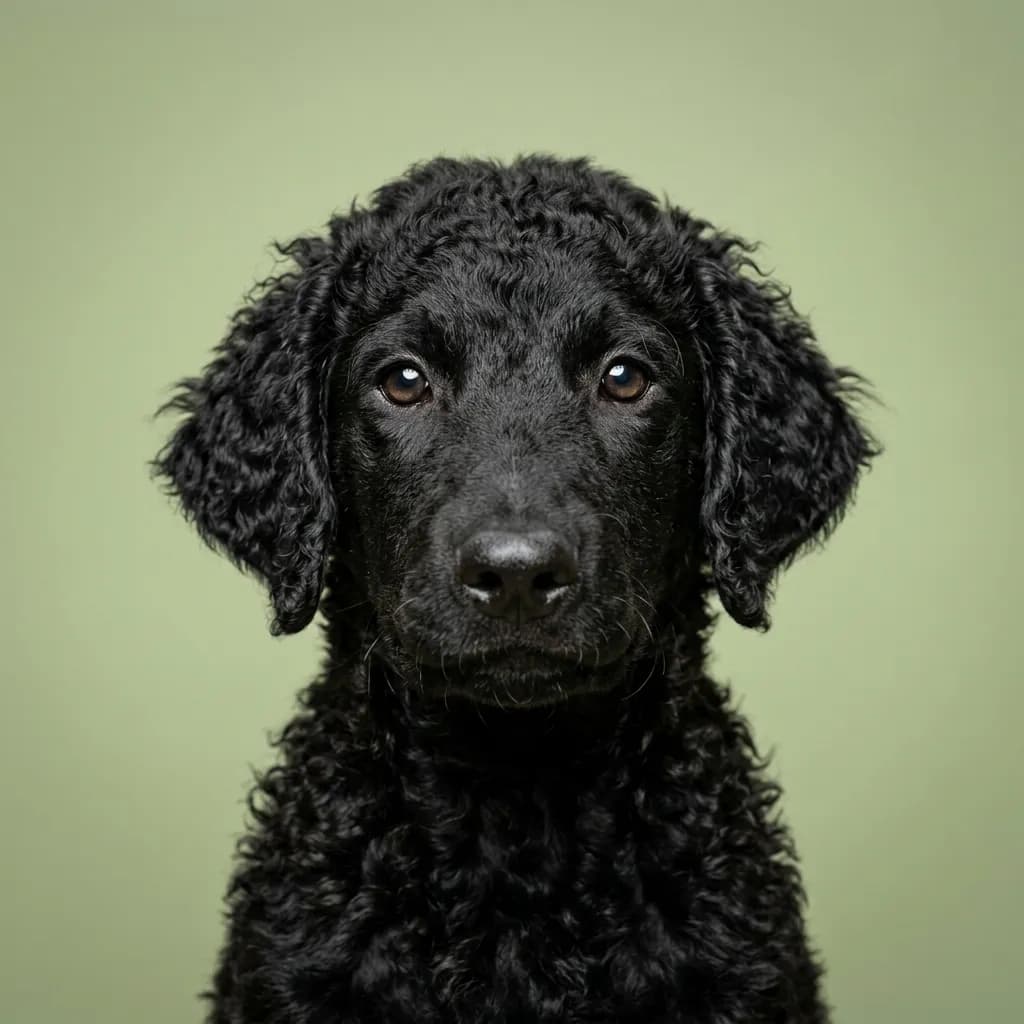
What Training a Curly-Coated Retriever Is Actually Like
Training a Curly-Coated Retriever feels like working with a sharp, independent athlete who respects you but won’t do something just because you asked. They’re ranked in Coren’s Tier 4, meaning they learn a new command in 25 to 40 repetitions—not the fastest, but far from stubborn. Their eagerness to please is real, but it’s conditional on whether they think the task is worth their time. Bred for retrieving in harsh conditions, they respond best when training feels like purposeful work, not drills. They’re not yappy or attention-seeking, but quietly confident. If you’re wishy-washy or inconsistent, they’ll tune you out. On the flip side, clear communication and active, engaging sessions will earn their full cooperation. Expect a dog that matures slowly—mentally and physically—so patience isn’t optional. They’ll look like a full-grown adult at a year, but their brain doesn’t catch up until 14 months.
Training Timeline
Start at 8 weeks: This is your golden window. Begin socialization immediately—puppies need exposure to at least 100 people, 50 surfaces, and 20 sounds by 12 weeks. Use food and gentle play to build positive associations.
By 16 weeks: Introduce basic commands like “sit” and “stay” in short bursts—five minutes, three times a day. Always train after a swim or run; a tired Curly is a focused Curly.
At 6 months: Adolescence hits hard. They’ll test boundaries. Stay consistent. Begin formal retrieve training using bumper drills with a clear reward loop: throw, return, treat.
Weeks 44–56: Watch for the second fear period. Avoid forced interactions. If they spook at a noise or object, don’t coddle—redirect calmly with a toy or treat.
Months 7–12: Increase off-leash work in distracting environments. Use retrieve games as rewards. They’re not fully trainable until after 14 months, so don’t assume failure if they seem checked out at a year old.
Breed-Specific Challenges
First, their independence. They’re not defiant, but they assess whether a command makes sense. If your recall fails in the yard, it’s not because they didn’t hear—it’s because they decided not to comply.
Second, they’re sensitive to harsh corrections. A raised voice or forceful handling shuts them down fast. They respond to calm, confident leadership, not dominance.
Third, their energy is relentless. A 30-minute walk won’t cut it. They need 60 to 90 minutes of vigorous activity daily—swimming, hiking, or field work—or they’ll redirect that energy into destructive chewing or obsessive ball chasing.
Fourth, they’re picky about rewards. Dry kibble won’t motivate them. Use high-value treats like freeze-dried liver or short retrieve sessions as currency.
What Works Best
Keep sessions short—10 minutes max—and intense. Train after physical work so their mind is ready. Use food and retrieve games as dual rewards. For example, ask for three “backs” during a walk, then throw a bumper. They learn fastest in 25 to 40 reps when the reward is meaningful and the pace is brisk. Use a marker word like “yes” precisely—split-second timing matters with this breed. Avoid repetition without purpose; they’ll disengage. Instead, mix known commands with new ones in dynamic settings. And never skip mental work—while their mental stimulation needs are moderate, they thrive when training mimics real-world tasks. Fetch isn’t just play, it’s language.
Crate Training Your Curly-Coated Retriever
A full-grown Curly-Coated Retriever averages 78 pounds and stands 23 to 27 inches tall, so they need a 48-inch crate minimum. Get the big one early and use a divider for a puppy, but don’t rely on it too long—these dogs grow fast and hate feeling cramped. Their intelligence means they’ll figure out the boundaries quickly, and their pride won’t let them tolerate a space that feels beneath them.
Crate acceptance isn’t usually a battle with Curlys, but it’s not automatic either. They’re confident and observant, so they’ll assess the crate like a puzzle. Forcing them in backfires. Instead, make it part of the action. Use retrieve-based games as rewards—toss a bumper or soft duck into the crate and let them dive in to grab it. Turn “go to crate” into a high-value game during active training sessions. That taps into their retriever drive and makes the crate a launchpad for fun, not a timeout zone.
Don’t expect long crating stretches. Even adults max out at 4 to 5 hours during the day. Their 4/5 energy means they need movement, mental work, and engagement. They can handle longer stretches overnight—8 hours is doable for adults—but puppies need potty breaks every 3 to 4 hours.
Watch for chewing. Curlys are mouthy and clever. They’ll gnaw crate pads or fabric covers if left with nothing better to do. Use indestructible rubber toys stuffed with kibble or freeze a Kong with broth and crushed treats to keep them occupied. Some will dig at the mat trying to “nest,” so opt for a rubber crate mat instead of fabric.
They’re not big barkers by nature, but boredom brings noise. If they’re whining, it’s usually because they’re under-stimulated, not anxious. Tire them out with swim sessions or field work first. A tired Curly is a quiet Curly. And always keep the tone positive—these dogs respond to respect, not force. Make the crate their choice, and they’ll own it with pride.
Potty Training Your Curly-Coated Retriever
Curly-Coated Retrievers are large, smart dogs with decent bladder capacity thanks to their 78-pound frames, but don’t let that fool you into thinking they’ll hold it forever. Puppies still need to go every 2-3 hours during the day, and you’ll see progress faster if you stick to a tight schedule. Their size means fewer indoor accidents once they get the idea, but when accidents happen, they’re messy—big dog, big mess. Plan on 4 to 6 months for reliable house training, sometimes longer. They’re ranked in Coren’s “Average” tier for working intelligence, needing 25 to 40 repetitions to learn a command, so consistency is key.
These dogs are confident and wickedly smart, which sounds great until you realize they’ll test boundaries. They’re not eager-to-please like some retrievers. They’ll figure out your routine fast and then push it. If you skip a potty break and they go on the rug? They’re not confused—they’re making a statement. That independence means you can’t rely on their desire to please you; you have to make the right choice the easiest one.
One challenge is their outdoor focus. They’re bird dogs at heart, and once they catch a scent or spot movement, potty breaks can turn into sniffari expeditions. You’ll need to use a designated spot and a consistent cue word so they learn to go on command, not just when they feel like it.
Rewards? Make them meaningful. Praise is fine, but Curlys respond best to tangible payoffs—small, high-value treats like chicken or cheese, especially in the early stages. Pair the treat with praise, but don’t skip the food. They’re proud dogs who respect effectiveness, so if your system works, they’ll follow it. Just don’t expect blind obedience. Earn their cooperation, and you’ll have a reliably trained dog.
Leash Training Your Curly-Coated Retriever
Curly-Coated Retrievers are strong, fast, and wired to cover ground. At nearly 80 pounds and with that 4/5 energy rating, they’re not the kind of dog you wing leash training on. Start with a no-pull harness—front-clip is non-negotiable if you want to keep your shoulders intact. They’re powerful enough to yank you off balance, and their proud, confident stride means they’ll test boundaries if they sense hesitation. A back-clip harness just gives them leverage; front-clip redirects their momentum and gives you control without straining their neck.
Their prey drive is high, and that original job—retrieving waterfowl and upland game—means they’re built to spot movement and go. A squirrel, a duck on the pond, a cyclist down the trail? That’s not a distraction to them. It’s a job. You’ll see the freeze-stare, then the sudden lunge. Their trainability is a gift here. They’re wickedly smart and respond fast to reward-based methods, especially when you tie in retrieval as the prize. Use their natural desire to fetch a dummy or bumper as the reward for staying focused on you during walks. It’s not just obedience, it’s channeling their purpose.
Common issues? Pulling like they’re chasing a crippled teal and selective hearing when excitement spikes. They’re not stubborn like a hound; they’re just single-minded. “Good” leash behavior for a Curly isn’t going to look like a perfectly heeled spaniel. You’re aiming for engagement—eyes checking in, responsiveness to redirection, and the ability to walk beside you at a brisk pace without constant pulling. They’ll always be alert, always scanning. That’s the breed. But with consistent training that respects their intelligence and drive, you can have a dog who walks with you, not ahead of you, and actually enjoys the process.
“I just wish someone would tell me what to do and when to do it.”
Not generic puppy tips. Not a video course you’ll never finish. Just one email a week telling you exactly what to work on with your Curly-Coated Retriever, at the age they are right now. Nothing to sift through. Nothing to figure out. Just this week.
Get Started — It’s FreeTell us your breed and your puppy’s age. We’ll send you exactly what to work on this week.
Socializing Your Curly-Coated Retriever
You’ve got about twelve weeks to lay the foundation for your Curly-Coated Retriever’s entire social life, and that window closes fast. The critical socialization period runs from weeks 3 to 12, which means you’re working with a ticking clock—especially since their first fear period hits hard between weeks 8 and 11. That overlap is crucial. During those weeks, negative experiences can stick like burrs. A loud noise, a clumsy toddler, or a bad vet visit can become a lifelong trigger if not handled with care. That’s why controlled, positive exposure is non-negotiable.
Curly-Coated Retrievers are wickedly smart and naturally reserved. They weren’t bred to greet every stranger with sloppy enthusiasm like some sporting breeds. Instead, they were working dogs, scanning horizons for game and assessing what’s safe. That means they need more exposure to novelty—unfamiliar people, different surfaces, traffic sounds, other animals—but always on their terms. Don’t force it. Let them observe, reward calm curiosity, and keep experiences upbeat.
They’re naturally wary of sudden movements and loud environments. A dog that wasn’t exposed to city sounds, children laughing, or bicycles might shut down or become overly cautious as an adult. And because they mature late—around 14 months—any gaps in early socialization won’t show up right away. You might think you’ve got a calm, confident dog until new situations reveal a dog that’s tense, aloof, or slow to recover from stress.
Common mistakes? Overwhelming them during the fear period by dragging them to busy dog parks or allowing pushy strangers to pet them. Another is assuming their confidence means they don’t need structure. They do. Missed socialization doesn’t just mean shyness—it can mean a dog that’s too selective about who and what it tolerates, making training and public outings harder later. Get it right early, and you’ll have a proud, capable companion who’s unflappable in the field and steady in the world.