Training Your Czechoslovakian Vlcak
Rare breeds with varied backgrounds. Approach based on breed's country of origin and original purpose.
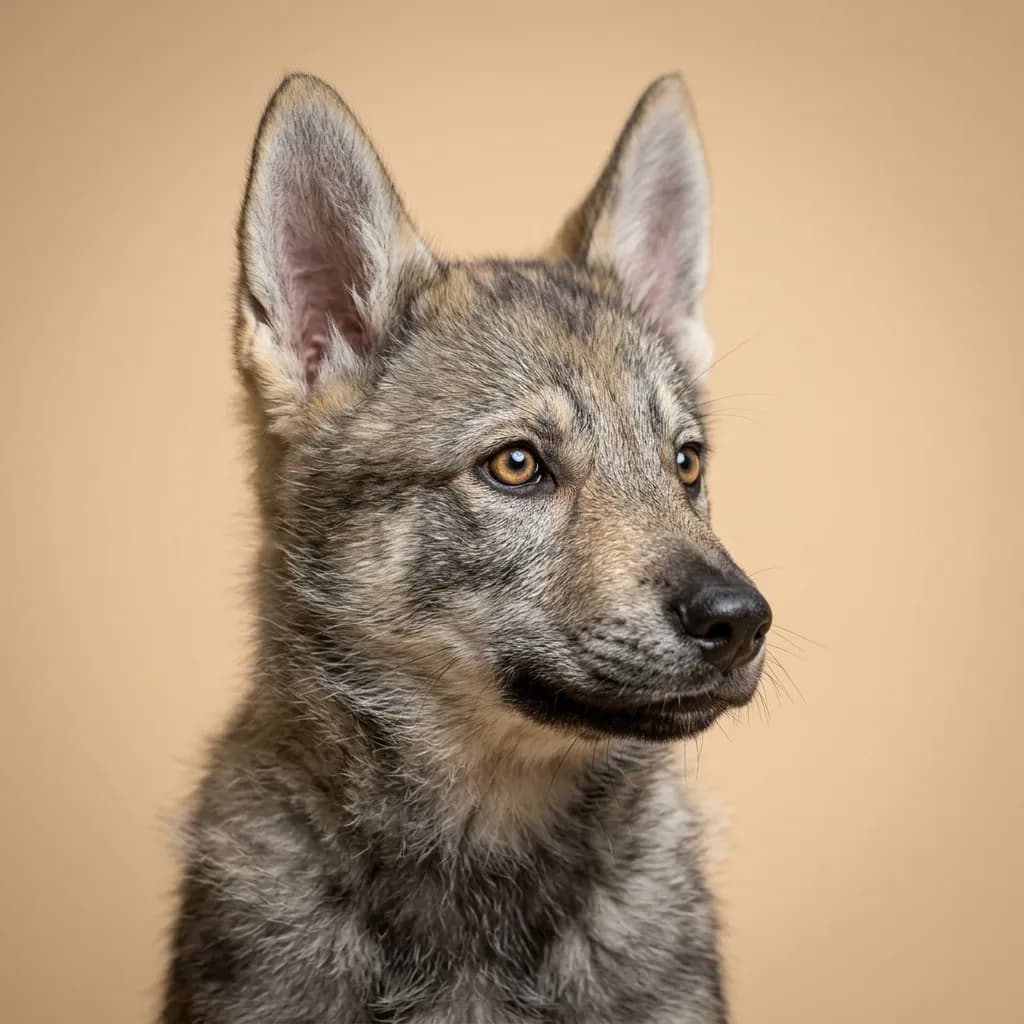
What Training a Czechoslovakian Vlcak Is Actually Like
Training a Czechoslovakian Vlcak isn’t about obedience drills for the sake of obedience. It’s about channeling a highly intelligent, wolf-like working dog into structured behavior without breaking their spirit. These dogs were purpose-bred in the 1950s by crossing German Shepherds with Carpathian wolves to create a resilient, alert military and border patrol dog, and that legacy shows. They’re not stubborn in the way some breeds are, but they are deeply independent thinkers. A 50% first-command obedience rate and average Coren tier ranking (4) mean they’ll learn, but often on their own timeline. They need mental stimulation at a 5/5 level—skip the mental work and you’ll get a bored dog with a creative destruction streak. They respond best to consistency, clarity, and respect. If you treat them like a pet project or try to force compliance, they’ll shut down. But earn their trust, and they’ll follow you through fire. They’re loyal to their person, not the household, and that singular focus means training works best one-on-one, not in chaotic environments.
Training Timeline
Start at 8 weeks: socialization is non-negotiable. Use the 3-12 week window aggressively—introduce everything from traffic sounds to different people, surfaces, and dogs. Keep it positive; fear imprints hard. By 16 weeks, begin basic commands (sit, stay, recall) with short 5-minute sessions. Use high-value rewards; their average trainability means repetition is key—expect 25-40 tries for a new command. At 6 months, adolescence hits hard. They’ll test boundaries, ignore known cues, and challenge your leadership. This lasts until 18 months. Around 11-12 months (weeks 44-56), brace for the second fear period. Reintroduce potentially scary stimuli gently—no forcing. Between 12-14 months, you’ll see more stability as they approach full maturity. That’s when advanced training, like off-leash reliability or structured tasks, can really take hold. Patience isn’t optional—it’s the foundation.
Breed-Specific Challenges
First, their independence. Bred to make decisions in remote terrain, they don’t default to looking at you for direction. That means recall can be spotty even in trained dogs if something more interesting shows up. Second, their wariness of strangers isn’t just shyness—it’s bred-in suspicion. Poor socialization leads to overt aggression, not just aloofness. Third, they’re not family dogs in the traditional sense. They bond intensely with one person and may ignore or tolerate others, making household training inconsistent if multiple people are involved. Finally, their wolf heritage means some behaviors—like digging, chewing, or howling—aren’t phase-based; they’re innate. You can manage them, but not eliminate them.
What Works Best
Use an adaptive mixed method: structured enough for a working breed, flexible enough to honor their autonomy. Sessions should be 5-10 minutes, 2-3 times daily, especially before 12 months. Longer drills cause shutdown. Reward with a mix of high-value food (freeze-dried liver, chicken) and activity rewards—like a short off-leash sprint or scent game—since mental stimulation needs are extreme. Avoid repetitive, rote training; vary tasks to keep them engaged. Pacing matters: progress slowly, reinforce constantly, and never assume a behavior is “solid” until tested in multiple environments. They thrive on clear hierarchy, so be consistent in rules and expectations. And never skip mental work—a tired Vlcak is a well-behaved Vlcak, but a mentally under-stimulated one will rewire your backyard.
Crate Training Your Czechoslovakian Vlcak
A Czechoslovakian Vlcak needs a large crate—think 42 inches minimum—even as a puppy, because they hit around 50 pounds fast and mature into broad-chested, athletic dogs. Use a divider early on to keep the space appropriate, but don’t skimp on initial size. You’ll regret buying a medium crate they outgrow in three months. These dogs are intelligent and loyal, which helps with crate training, but their active minds mean they won’t tolerate confinement without purpose. They don’t settle as easily as a laid-back hound; they need to earn their downtime. Expect mild resistance if the crate feels like isolation instead of a den. Make it part of their routine after focused activity—like a 20-minute training or fetch session—so they’re mentally tired and more likely to relax.
Their energy level is moderate, but their alert temperament means they’ll bark or whine if they feel disconnected from the household. Crate train in a high-traffic area like the kitchen or living room, not in a basement or garage. A lonely Vlcak will howl, and this breed has a voice. They’re not chewers like a teething husky, but they might nudge or paw at crate pads if bored, so skip plush bedding at first—start with a durable mat and add comfort later. Some develop a quirk of digging at the back of the crate, likely from a denning instinct. Placing a piece of plywood or rubber mat under the crate helps prevent noise and wear.
Don’t push long crating. Even adult Vlcaks shouldn’t stay in more than 4 to 5 hours during the day. They’re loyal to their people and don’t do well with prolonged separation. Use the crate for rest, not storage. Expect faster progress with a mix of positive reinforcement and clear structure—this breed responds to consistency, not just treats. A tired, mentally engaged Vlcak is far more likely to see the crate as a reward than a punishment.
Potty Training Your Czechoslovakian Vlcak
Potty training a Czechoslovakian Vlcak takes patience, not because they’re incapable but because they’re independent thinkers with average trainability. At around 50 pounds and growing fast, their bladder capacity develops quicker than smaller breeds, so you won’t need to take them out every hour like a Chihuahua. Still, as puppies, expect to need potty breaks every 2 to 3 hours, even through the night. Most Vlcaks won’t reliably hold it for more than 4 hours until they’re 5 to 6 months old due to their large size and developing musculature.
These dogs are intelligent and loyal, but they don’t rank high on eagerness to please. They’re more likely to assess whether a command makes sense to them than jump to obey. That independence means potty training might take longer—typically 4 to 6 months for basic reliability, and up to 9 months for full consistency. Expect 25 to 40 repetitions of a routine before they internalize it, which is standard for their Coren tier.
One real challenge is that Vlcaks are highly observant and scent-driven. If they catch a whiff of old accidents on carpet or flooring, they’ll return to that spot. You need to be meticulous about cleaning with enzymatic cleaners from day one. They’re less likely to hide mistakes indoors than small breeds, but they will test boundaries if routines are inconsistent.
Rewards work best when they’re immediate and high-value. Use real meat treats—small bits of chicken or freeze-dried liver—right after they go outside. Verbal praise alone isn’t enough. Keep a strict schedule and use a consistent cue phrase like “go ahead,” because structure plays better to their intelligence than force. Crate training helps, but the space must be large enough for their size without being so big that they feel comfortable soiling a corner. Watch for their subtle body language cues—these dogs often signal quietly when they need to go, not with frantic barking.
Leash Training Your Czechoslovakian Vlcak
You want a harness for a Czechoslovakian Vlcak, plain and simple. Front-clip harnesses like the Balance or Komfort models work best early on because these dogs are strong and built for purpose. Even at 50 pounds, they’ve got the musculature and drive of a working line bred for military tasks in rugged terrain. A collar won’t cut it unless you’re just using it for ID tags after they’ve already learned manners. Their natural instinct is to pull—this isn’t disobedience, it’s legacy. They were bred to move forward, cover ground, and work independently under pressure. That shows up on walks as determined pacing and occasional surges toward movement, like squirrels or distant dogs.
Their energy level sits around a 3 out of 5, but don’t let that fool you. It’s focused energy, not frantic. They’re intelligent and loyal, so they’ll pick up cues quickly if you’re consistent. But their trainability rating is moderate because they’re also independent thinkers. They’ll assess whether your request matters before complying. Prey drive is moderate to high, so expect pauses where they lock onto a bird or rabbit. You won’t get perfect focus in new environments. That’s normal.
Common leash problems include pulling when excited, lagging when assessing surroundings, and occasional refusal to turn back toward home—especially if they sense you’re ending the walk. This isn’t defiance; it’s their working-dog persistence. They’re built to follow a mission, not necessarily your changing plans.
Good leash behavior for a Vlcak isn’t loose-leash perfection. It’s having them walk beside you 70% of the time in familiar areas, responding reliably to check-ins, and accepting redirection when they fixate. In new places, expect more tension and distractions. Train with variety—short, focused sessions mixed with off-leash time to satisfy their need for purpose. Use praise and structure, not just treats. These dogs thrive on being part of a job, even if that job is just walking calmly beside you.
“I just wish someone would tell me what to do and when to do it.”
Not generic puppy tips. Not a video course you’ll never finish. Just one email a week telling you exactly what to work on with your Czechoslovakian Vlcak, at the age they are right now. Nothing to sift through. Nothing to figure out. Just this week.
Get Started — It’s FreeTell us your breed and your puppy’s age. We’ll send you exactly what to work on this week.
Socializing Your Czechoslovakian Vlcak
The Czechoslovakian Vlcak’s socialization window hits from weeks 3 to 12, which means you’ve got a tight overlap with their first fear period at weeks 8 to 11. That’s critical because this breed is hardwired for vigilance—they were bred for military work in harsh environments, so caution isn’t a flaw, it’s in their DNA. But if you don’t handle those overlapping phases with precision, you risk cementing long-term wariness. You need to flood them with positive, controlled exposure during those early weeks, especially between 8 and 11, when their brains are literally learning what’s threatening and what’s not.
Vlcaks need more exposure to strangers, sudden noises, and unfamiliar environments than most breeds. Their guardian instincts kick in early, so if they don’t see a wide variety of people—men, women, kids, people in hats or uniforms—by 12 weeks, they’ll default to suspicion later. Take them everywhere safe: sidewalks, parking lots, parks during off hours. Let them hear skateboards, bikes, car doors slamming—all from a distance they can handle. Pair every new thing with high-value treats, never force interaction.
They’re naturally wary of anything novel or unpredictable, and that’s where owners slip up. The biggest mistake is either overprotecting them (“I don’t want to scare him”) or overwhelming them (“Let’s take him to a crowded festival at 10 weeks”). Both backfire. Under-exposure breeds fear; over-exposure confirms danger. It’s about balance, timing, and reading your pup.
Skip proper socialization and you don’t just get a shy dog—you get a 50-pound adult who’s hyper-alert to every passerby, distrustful of new situations, and hard to redirect. That intelligence becomes a liability. They’ll make their own rules. At 14 months, when they’re fully mature, retraining that kind of deep-seated caution is uphill. Do it right early, and you’ve got a loyal, confident partner who assesses calmly instead of reacting.