Training Your Great Pyrenees
Bred for jobs requiring strength, stamina, and decision-making. Responds to purposeful training with clear expectations. Needs to understand WHY.
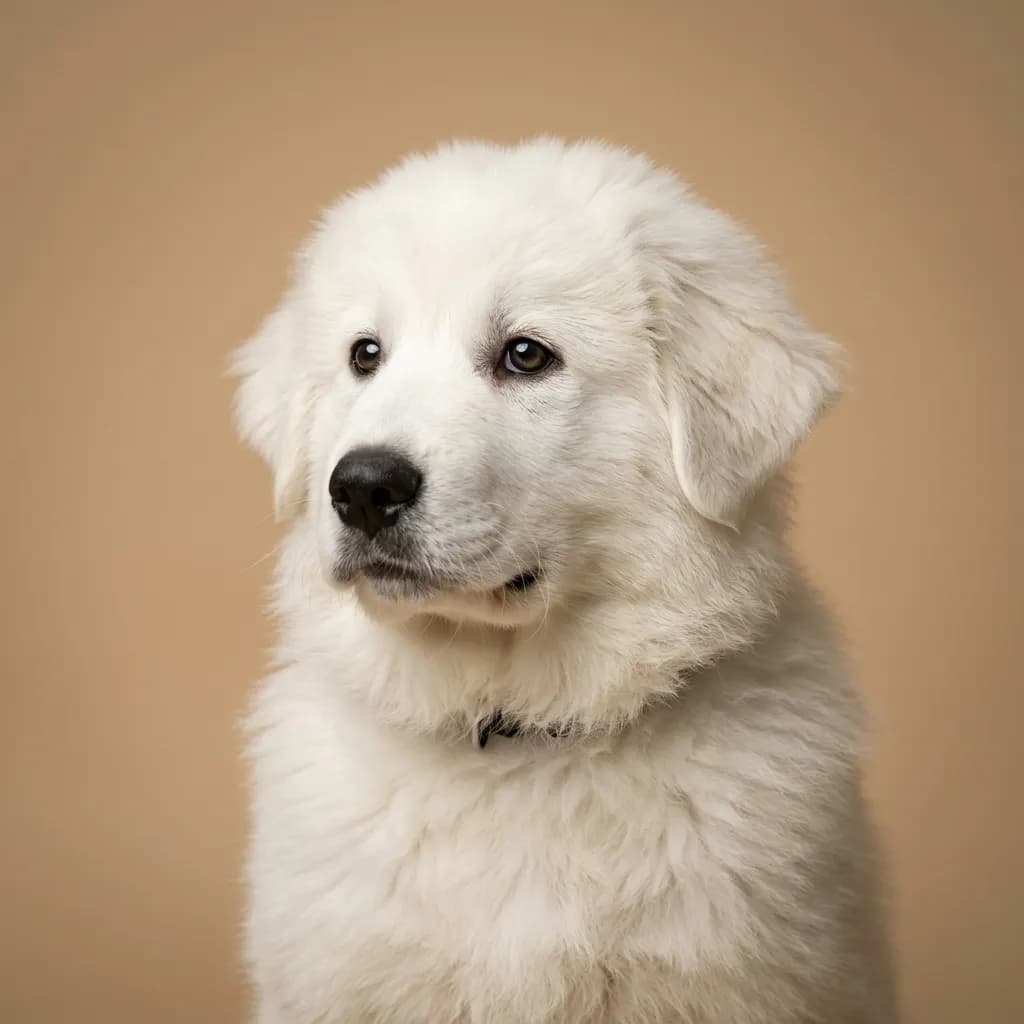
What Training a Great Pyrenees Is Actually Like
Training a Great Pyrenees is less about obedience drills and more about collaboration. These dogs are smart in a quiet, observant way. They were bred to work independently at night, making decisions without human input, so they don’t default to looking at you for direction. That independence shows up early. You can’t rely on eagerness to please like you can with a Border Collie or Golden Retriever. Their Coren intelligence tier of 5 means they learn new commands in 40 to 80 repetitions, and first-time obedience sits around 30%. Translation: consistency is non-negotiable. They respond best when they understand the purpose behind a task. "Why should I come when called?" their brain seems to ask. "The sheep are right here and I’m doing my job." Expect calm focus, not high energy. But also expect stubbornness if they don’t see the point.
Training Timeline
Start at 8 weeks with socialization—this is critical. The window closes at 12 weeks, so expose your pup to as many people, dogs, sounds, and surfaces as possible. By 5 months, begin basic commands with short, clear sessions. Around 8 months, adolescence kicks in, and so does the first major challenge: independence. You’ll notice they start testing boundaries. At 14 months (week 56), brace for the second fear period. A previously confident dog might spook at umbrellas or bicycles. Keep exposure low-pressure and positive. Training continues steadily through month 20, when they finally reach full maturity. Don’t expect reliable decision-making before then. What looks like defiance is often just an immature brain.
Breed-Specific Challenges
First, recall is a lifelong issue. Bred to patrol and protect, they’re hardwired to stay put, not come back. Off-leash freedom is risky, even for well-trained dogs. Second, they’re prone to selective hearing. If they don’t perceive a threat or task as urgent, they may simply ignore you. Third, early guarding instincts can misfire—growling at visitors or chasing bikes—so clear rules about what deserves attention must be set early. And fourth, their size means poor behavior is unforgiving. A 92-pound dog jumping on a toddler isn’t cute, it’s dangerous. Training isn’t optional; it’s a safety requirement.
What Works Best
Keep sessions short—10 to 15 minutes max—and structured around a clear purpose. These dogs thrive when they understand the "why." Instead of random sit/stay drills, tie commands to real tasks: "Stay" while you open the gate, "Come" to check in during a patrol. Use food rewards, but emphasize task completion as its own reward. They take pride in their work. Trainability scores at 3 out of 5, so progress is gradual. Expect to repeat commands 50 to 80 times before solid understanding. Increase difficulty slowly. Mental stimulation needs are moderate, but without purposeful work, they’ll invent their own jobs—like barking at shadows or herding the cat. Give them a job, and they’ll take it seriously.
Crate Training Your Great Pyrenees
A Great Pyrenees needs a big crate from day one. Get a 48-inch crate even for a puppy because they grow fast and reach an average of 92 pounds. Don’t bother with smaller crates you plan to upgrade later. Use a divider to section off the space so it’s not too large early on, but plan to remove it by 4 to 5 months when they’re taking up most of the room. These dogs are task-oriented and smart, so they respond well to structured training, but they’re also patient and calm by nature, which actually works in your favor during crate training. They’re not high-strung or frantic, so they’ll usually settle in the crate without a fight if introduced properly.
That said, they’re not going to rush into it just to please you. Make the crate purposeful. Toss in a frozen Kong stuffed with plain yogurt and a little peanut butter, or a marrow bone, and let them figure out it’s the go-to spot for good things. Keep sessions short and consistent—5 to 10 minutes at first, always ending on a calm note. Don’t force it. They’ll accept it faster if it feels like their idea.
Adult Great Pyrenees can handle 4 to 5 hours crated during the day once fully trained, but don’t push beyond that. Their energy level is moderate, but their separation tolerance is only average. They’re bred to work independently, yes, but they’re also deeply bonded guardians. Leaving them crated too long leads to restlessness or vocalizing.
Watch for chewing on crate pads or fabric. These dogs mouth things during teething, and a thick rubber mat is safer than a plush pad. Also, some will “dig” at the bedding like they’re making a den—normal, but keep nails trimmed to avoid damage. Stick to durable, washable materials and avoid anything fluffy they can shred. Crate training a Pyrenees isn’t about dominance. It’s about making a logical, comfortable space they choose to use.
Potty Training Your Great Pyrenees
Great Pyrenees are giant dogs, averaging around 92 pounds, and that size means they have a larger bladder capacity than smaller breeds. You might think that’s a shortcut to potty training, but don’t be fooled. Just because they can hold it doesn’t mean they will—especially when they’re young. Puppies still need frequent outdoor trips, every 2–3 hours during the day, and a late-night potty break until they’re about 6 months old. Their trainability sits at a 3 out of 5, and they’re in Coren’s Tier 5, which means they need 40 to 80 repetitions to learn a new command. They’re smart, yes, but they’re also patient and calm to the point of stubbornness. They’ll wait you out. They’re not eager-to-please types like a Golden Retriever. They’ll decide when they’re ready, and that mindset affects potty training more than people expect.
Because they’re independent thinkers, consistency is non-negotiable. You can’t cut corners. They’ll test boundaries, especially if they figure out they can relieve themselves behind the shed instead of going all the way outside. That outdoor space needs to be secure and clearly defined, and you need to supervise closely. They’re not easily distracted like scent hounds, but they are territorial, so they may mark or go in the same spot outside repeatedly. That’s fine, actually—use it to your advantage. Pick a consistent spot and stick to it.
The realistic timeline for a Great Pyrenees to be reliably house-trained? 6 to 8 months, sometimes longer. Some don’t fully get it until they’re a year old. Don’t rush it. Use high-value rewards—real meat, not kibble. Cheese works wonders. Short, calm praise is better than over-the-top excitement. They respond to quiet confidence more than frantic energy. Train like you’re negotiating with a wise old goat herder: steady, firm, and patient.
Leash Training Your Great Pyrenees
Leash training a Great Pyrenees isn’t about forcing compliance—it’s about working with a dog bred to make his own decisions for hours at a time in rugged terrain. These dogs were left alone to guard flocks in the Pyrenees, so they’re naturally independent and used to assessing threats without direction. That means they won’t follow commands just because you said so; they need a reason. Start early, ideally between 8 and 16 weeks, because once they hit 92 pounds of solid muscle, bad habits become unmanageable.
A front-clip harness is non-negotiable. A collar, even a prong one, is risky with a breed this strong and thick-necked—they can slip out or strain their trachea. The harness gives you gentle steering control without encouraging pulling, which they can do effortlessly due to their draft-dog build and endurance. But don’t expect a heeler. Their energy is moderate—3 out of 5—but they’re built for steady, all-day patrols, not bursts. That means they’ll amble, stop, observe, and sometimes ignore you if something feels off. They don’t have high prey drive like sighthounds, but they will freeze and fixate on movement—a deer, a distant dog—because their job was to monitor, not chase.
Common problems? Lagging behind, sudden stops, or polite refusal to move. This isn’t stubbornness; it’s their guardian instincts kicking in. They’re not trying to annoy you. They’re doing their job. Push too hard and you’ll damage trust.
Good leash behavior for a Pyr means loose-leash walking at a relaxed pace, with occasional pauses to scan the environment. He won’t heel tightly or sprint beside you. He’ll stay aware and responsive, walking beside you most of the time, checking in when cued. Reward calm judgment, not speed. Train task-oriented: “Let’s go” means move forward, “watch me” redirects focus. Make sense to him, and he’ll cooperate.
“I just wish someone would tell me what to do and when to do it.”
Not generic puppy tips. Not a video course you’ll never finish. Just one email a week telling you exactly what to work on with your Great Pyrenees, at the age they are right now. Nothing to sift through. Nothing to figure out. Just this week.
Get Started — It’s FreeTell us your breed and your puppy’s age. We’ll send you exactly what to work on this week.
Socializing Your Great Pyrenees
Great Pyrenees pups have a tight socialization window—weeks 3 to 12—and that period overlaps directly with their first fear stage at 8 to 11 weeks. That means you can’t just wing it. You’ve got to be deliberate. These pups are bred to be independent guardians, watching over flocks in remote mountain terrain. Their instincts tell them to assess threats, not greet them, so early, positive exposure to anything unfamiliar is critical. Miss that window, and you’re playing catch-up with a 92-pound dog who’s naturally suspicious by nature.
They need heavy, consistent exposure to people—especially strangers, kids, and delivery-style folks who show up unpredictably. It’s not enough to take them to a park once. You need repeated, calm interactions where they learn that new people aren’t a threat. They’re also naturally wary of fast movement and loud noises—think cars, bikes, even umbrellas—so introduce those gradually, always pairing them with something positive like treats or calm praise.
One of the biggest mistakes owners make is assuming their puppy’s calm demeanor means he’s “fine.” Great Pyrenees can seem unbothered while quietly forming negative associations. If you don’t expose them early, that calm turns into silent wariness. By 20 months—when they’re fully mature—you’re left with a giant, intelligent dog who questions every new thing and may act defensively without warning.
Skip early socialization, and you don’t just get a shy dog. You get a guardian who misreads friendliness as risk, which is dangerous at that size. Properly socialized, they’re steady, confident, and discerning—exactly what a guardian should be. But that balance comes from careful work between 8 and 12 weeks. You can’t rush it, and you can’t delay it. Every interaction in that window counts.