Training Your Greater Swiss Mountain Dog
Bred for jobs requiring strength, stamina, and decision-making. Responds to purposeful training with clear expectations. Needs to understand WHY.
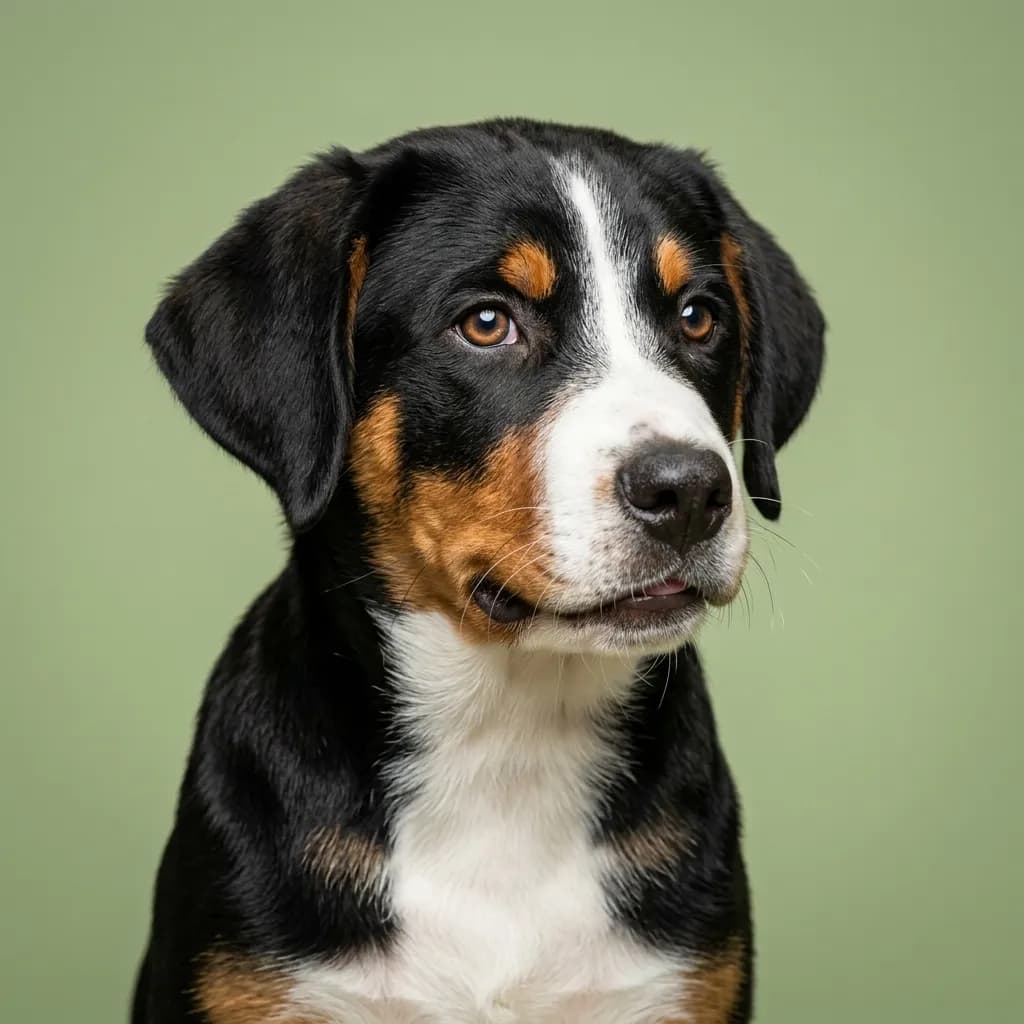
What Training a Greater Swiss Mountain Dog Is Actually Like
Training a Greater Swiss Mountain Dog feels like working with a thoughtful, strong-willed partner who wants to know why you’re asking for something before fully committing. They’re in the Above Average intelligence tier, picking up new commands in 15 to 25 repetitions, and they score a solid 4 out of 5 on the AKC trainability scale. But don’t mistake that for eagerness to please in the way you’d see in a Golden Retriever. These dogs are task-oriented by nature, bred to make decisions pulling carts and managing livestock in the Swiss Alps. That means they respond best when training has clear purpose and structure. They’re not robots; they’ll assess whether your request makes sense. Be consistent, be fair, and always explain the “why” behind the task. They’re faithful and family-focused, so relationship matters deeply. Train with respect, not dominance, and they’ll commit.
Training Timeline
Start early. The socialization window is tight—weeks 3 to 12 are non-negotiable for exposing your pup to new people, dogs, sounds, and surfaces. By 16 weeks, they should be comfortable with collars, leashes, and basic commands like “sit” and “stay,” even as they hit 70 pounds. Between 6 and 8 months, they enter adolescence early compared to most breeds, and their growth spurt means joints are vulnerable. Keep training sessions short and low-impact. The second fear period hits between 14 and 18 months—weeks 56 to 72—so avoid forcing confrontations. Revisit positive associations calmly. Continue refining obedience through 20 months, when mental maturity finally settles in. By then, if trained purposefully, they’ll excel in carting, obedience, or farm work.
Breed-Specific Challenges
First, their size. At 112 pounds on average, a poorly trained Greater Swiss becomes unmanageable fast. Leash manners need attention by 5 months—you can’t wait it out. Second, their independent thinking. They won’t blindly obey; if a command seems illogical, they’ll hesitate or ignore it. That’s not defiance—it’s breeding. You have to train with context. Third, their high mental stimulation needs. A bored Swiss is a destructive Swiss. They need jobs, not just tricks. Finally, their energy level is 4 out of 5—they’re not hyper, but they need daily physical and mental work. A sedentary owner won’t meet their needs.
What Works Best
Keep sessions short—10 to 15 minutes, 2 to 3 times a day. Their attention spans are decent but not endless. Use clear, structured progression: start simple, then layer in distractions and duration. They respond well to food rewards, but the real win is pairing that with task completion satisfaction. These dogs thrive when they feel useful. End each session on a success. Use carting, weight-pull, or nosework to tap into their heritage. Make training purposeful, not abstract. And always, always reward understanding, not just compliance.
Crate Training Your Greater Swiss Mountain Dog
A Greater Swiss Mountain Dog needs a 48-inch crate, no exceptions. Even as a puppy, they grow fast—reaching 80 pounds by five months—so a divider helps section off space early on, but monitor closely. They’ll outgrow the smaller side quicker than most breeds, and a cramped crate stresses them. These dogs are task-oriented and thrive on clear structure, so crate training fits their brain if you frame it as a job with rules. Use purposeful sessions: five to ten minutes, consistent cues like “den” or “place,” and immediate rewards for calm entry and settling.
Their 4/5 energy means they won’t nap on command after a backyard sprint, but their dependable temperament works in your favor. Swissies aren’t typically barkers or escape artists, but they do resist confinement if it feels arbitrary. Crate only when necessary—sleep, travel, short separation—and never as punishment. They’ll accept it if it’s predictable. That said, they’re mouthy as puppies and may chew crate pads or fabric covers. Use a durable orthopedic pad (they’re prone to joint stress) and rotate chew toys inside to redirect that urge.
Don’t expect more than 3–4 hours crated once adult, even though they’re calm indoors. Their family-oriented nature means they want to be near you. Puppies under six months shouldn’t be crated more than two hours at a stretch. They’ll signal discomfort with pacing or low whining—don’t dismiss it as stubbornness. These dogs bond hard and hate isolation. Crate train to build confidence, not compliance. A Swissy who trusts the crate does so because it’s quiet, consistent, and part of the household rhythm, not because he’s resigned to it. Use their trainability to layer in cues like “settle” and “wait” during crate time to keep it mentally engaging.
Potty Training Your Greater Swiss Mountain Dog
Greater Swiss Mountain Dogs are big dogs with big bladders, and that actually helps with potty training. At an average of 112 pounds, they can physically hold it longer than smaller breeds, but don’t bank on that too early. Puppies still need frequent outdoor trips—every 2 hours during the day, plus after meals, naps, and play. You’re looking at a realistic timeline of 5 to 7 months for reliable house training, sometimes longer if you hit a plateau. Their size means fewer indoor accidents as they grow, simply because they’re too big to miss a spot, but early consistency is key to avoid habits you can’t afford with a giant breed.
They’re ranked in Coren’s Above Average Working Dogs tier, meaning they learn new commands in 15 to 25 repetitions. That’s solid, and they’re generally eager to please, especially when working closely with their family. But don’t mistake their dependability for blind obedience. They have a quiet stubborn streak, and if your routine slips or your expectations are unclear, they’ll test boundaries. That means you need to be consistent, not harsh. They respond best to calm, confident direction.
One breed-specific challenge? Their size makes indoor accidents harder to clean and more impactful. A 3-month-old Swissy puppy can already leave a mess that’s hard to ignore. So crate training and scheduled outdoor access are non-negotiable. Also, they’re not easily distracted outdoors like scent hounds, but they’re not always in a hurry to finish once outside. Give them time and wait patiently, then reward the moment they go.
Use tangible rewards—small, high-value treats like tiny bits of chicken or cheese—paired with praise. They’re food-motivated but not hyper-driven, so keep it positive and immediate. Over time, phase in verbal praise as the primary reward, but don’t drop treats entirely until house training is solid. They thrive on routine and clear expectations, so stick to the schedule and they’ll follow through.
Leash Training Your Greater Swiss Mountain Dog
Leash training a Greater Swiss Mountain Dog means working with a 112-pound body built for pulling carts and herding cattle in the Alps. This isn’t a breed that politely strolls; they were bred to move heavy loads, so pulling is in their DNA. You need gear that matches that strength. A standard collar won’t cut it—go straight for a well-fitted front-clip harness. The pressure across the chest helps redirect their forward momentum without choking them, and it gives you more control when they decide to test the limits. Avoid back-clip harnesses unless you want to feel like you’re trailering a small car.
Their energy level sits at a solid 4 out of 5, and while they’re not high-prey-drive like a terrier, they are alert and attentive to movement. That means sudden lunges at bikes, squirrels, or other dogs can happen if not trained early. They’re not aggressive by nature, but their size means even a momentary lapse becomes a safety issue.
Common leash problems? Pulling, of course, but also lagging or stopping to plant their feet when overwhelmed. Don’t mistake their calm indoors for low exercise needs. They need structure on walks—tasks like “heel” or “focus” keep their working brain engaged. Use their dependability and trainability. These dogs want to please, but they also need clear leadership.
Realistic expectations matter. “Good” leash behavior here isn’t competition-level precision. It’s having a dog who walks within three feet of your side, responds to corrections, and doesn’t drag you down the street. They’ll never be light on the leash like a Greyhound, but with consistent, positive reinforcement and early training, they’ll be dependable companions on foot. Start young, stay consistent, and respect their power.
“I just wish someone would tell me what to do and when to do it.”
Not generic puppy tips. Not a video course you’ll never finish. Just one email a week telling you exactly what to work on with your Greater Swiss Mountain Dog, at the age they are right now. Nothing to sift through. Nothing to figure out. Just this week.
Get Started — It’s FreeTell us your breed and your puppy’s age. We’ll send you exactly what to work on this week.
Socializing Your Greater Swiss Mountain Dog
You’ve got a giant on your hands, and with Greater Swiss Mountain Dogs, early socialization isn’t optional—it’s urgent. Their window is tight, running from weeks 3 to 12, and that overlaps directly with their first fear period at 8 to 11 weeks. That means every new experience during those weeks has to be handled with care. A scary moment with a loud noise or an overenthusiastic stranger can stick. You can’t just throw them into crowds and hope for the best. Controlled, positive exposure is key.
Because they were bred to guard and draft in remote Swiss farms, they’re naturally cautious around strangers and unfamiliar situations. That dependability you love? It comes with a side of suspicion if you don’t counter it early. They need more exposure to adults, children, cyclists, skateboards, and anything that moves unpredictably. Their size means you can’t wait until they’re 6 months to start—by then, their opinions are already forming.
A common mistake is assuming their calm puppy demeanor means they’re fully adjusted. Swissies are steady, not bold. They won’t always rush to greet people, and if you don’t actively expose them to varied environments, they’ll default to wariness. Skipping proper socialization sets you up for a 112-pound adult who shuts down or stiffens around guests. That’s not just inconvenient, it’s unsafe given their size and strength.
If you do it right, by 20 months—when they’re finally mature—you’ll have a faithful, rock-solid companion who’s confident without being pushy. But blow those first 12 weeks, and you’re fighting genetics the rest of their life. You don’t need fancy classes. You need consistency: one new person, sound, or surface every single day, with treats and calm reassurance. Their temperament is shaped in those first months. Make them count.