Training Your Hanoverian Scenthound
Rare breeds with varied backgrounds. Approach based on breed's country of origin and original purpose.
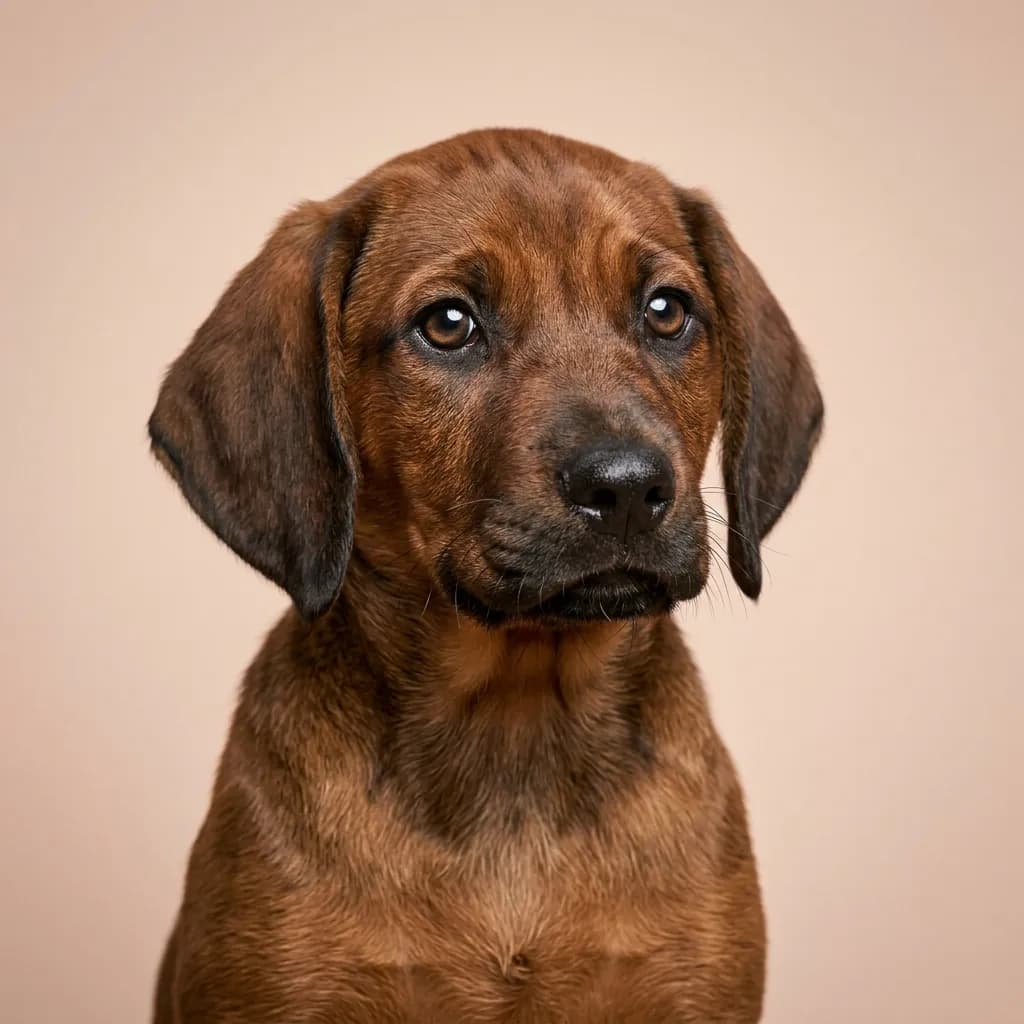
What Training a Hanoverian Scenthound Is Actually Like
Training a Hanoverian Scenthound feels like coaching a highly focused athlete who only listens when the game matters. These dogs are in the Above Average intelligence tier according to Coren, learning new commands in 15 to 25 repetitions, which sounds promising—until you realize they’ll weigh whether obeying is worth their effort. They’re loyal and calm, not aloof like some hounds, but independence is bred into them. Their job was to track wounded deer or boar over miles of German forest, making decisions on their own. That means they’re not eager to please in the way a Border Collie is. You’re not building obedience from enthusiasm; you’re earning cooperation through consistency and relevance. They respond best when training feels like a job, not a party. First-command obedience sits at 70%, which is solid for a scent hound, but only if you respect their need for mental engagement. Ignore it and you’ll have a strong, 89-pound dog making his own plans.
Training Timeline
Start at 8 weeks: socialization is critical. Use the 3–12 week window aggressively—expose them to surfaces, sounds, people, and other animals. By 16 weeks, begin basic commands like “sit” and “stay,” keeping sessions under 5 minutes. At 6 months, adolescence hits hard. They’ll test boundaries and their nose will start dominating their decisions. This is when tracking games should begin—redirect that instinct early. Weeks 44 to 56 bring the second fear period. Avoid forcing new experiences; instead, use positive reinforcement to build confidence. Between 6–18 months, expect inconsistency. They’re maturing slowly, hitting full emotional maturity at 14 months. Use this phase to layer in off-leash tracking in secure areas, reinforcing recall with high-value rewards. By 18 months, most settle into a calmer, more focused rhythm—if their nose has been part of the training from the start.
Breed-Specific Challenges
First, prey drive isn’t just strong—it’s the point. These dogs were built to follow a scent trail for hours, ignoring distractions. That means recall off-leash in unsecured areas is a lifelong challenge, not a phase. Second, their independence can look like stubbornness. They won’t obey a command that contradicts their nose’s input, even if they know it. Third, they’re sensitive to harsh corrections. Their loyalty means they want to work with you, but they shut down under pressure. Finally, without real scent work, they’ll invent their own jobs—like following neighborhood cat trails or chewing baseboards out of boredom. Mental stagnation leads to subtle destructive behaviors, not obvious chaos.
What Works Best
Use an adaptive mixed methodology, rooted in their German hunting heritage. Short sessions—5 to 10 minutes—work best, especially before age 12 months. Match their pacing: slow and methodical, not hyper or flashy. Reward with purpose, not just food. A successful track ending in finding a hidden object or person is often more motivating than a treat. Use high-value rewards like game meat or cheese during adolescence when distractions peak. Train in environments with low visual stimulation but rich scent variety—forest edges, fields, or even scent trails in your backyard. Pacing matters: repeat commands calmly, avoid repetition fatigue, and always end on a success. Their 4/5 energy and mental stimulation needs mean daily scent work isn’t optional—it’s maintenance. Skip it and you’re not just neglecting enrichment; you’re inviting problems.
Crate Training Your Hanoverian Scenthound
A Hanoverian Scenthound needs a big crate—think 48 inches minimum—because even as a puppy, they’re already long and leggy, and by 12 to 15 months they’ll hit their full 89-pound frame. Get one with a divider so you can adjust the space as they grow, but don’t skimp on letting them transition to the full size too early. These dogs are independent but loyal, so they won’t panic like some breeds if left alone, but they won’t just resign themselves to the crate without some persuasion either. The good news? They’re smart and responsive, with a trainability rating of 4 out of 5, so if you’re consistent, they’ll learn the routine fast.
Still, their energy level is high—4 out of 5—and they’re scent-driven, so the crate has to be more than a prison. Make it a den. Use it strategically: right after exercise, when they’re calm, not cranked up from sniffing every blade of grass on a walk. They’ll settle easier then. Don’t expect more than 3 to 4 hours crated once adult, even though they’re calm by nature. Their separation tolerance is decent, but they’re pack-minded. Leave them longer and they might start chewing the crate pad—not from anxiety exactly, but out of boredom. These dogs have strong jaws and a habit of mouthing things, so skip the plush bedding at first. Go for a tough rubber mat or chew-proof pad.
One quirk: they might dig at the back of the crate, mimicking digging at scent trails. A solid-backed crate or lining the back with a piece of plywood helps. And don’t crate them right after feeding—they’re deep-chested and prone to bloat. Wait at least an hour. Use the crate as a reward, not punishment. These hounds respond best when they think they’re outsmarting you, so make it feel like their idea.
Potty Training Your Hanoverian Scenthound
Hanoverian Scenthounds are large dogs, averaging around 89 pounds, which means they have decent bladder capacity early on. That said, don’t expect a puppy to hold it like an adult at eight weeks. Most will need to go out every 2 to 3 hours during the day, with overnight holds increasing gradually by age. Because of their size and growth rate, they may physically be able to go longer by 12 to 16 weeks, but consistency is still key. Plan for frequent yard trips, especially after meals, naps, and play.
These dogs are ranked in Coren’s third tier—above average in working/obedience intelligence—and typically learn new commands in 15 to 25 repetitions. They’re loyal and calm, but don’t mistake that for eagerness to please. They’re independent thinkers, a trait common in scent hounds, so they might ignore your cues if something more interesting catches their nose. This independence means potty training won’t be instant. They’re not defiant, just easily distracted. The moment they catch a squirrel trail or a patch of grass that smells suspiciously exciting, your training cue might as well be background noise.
A realistic timeline for reliable house-training is 4 to 6 months, sometimes longer. Accidents after the 5-month mark aren’t uncommon, especially during transitions or if routines change. Crate training helps, but don’t over-crate a growing large breed. Use a partitioned space to balance comfort and restriction.
Their biggest potty challenge? Distraction outdoors. They’re built to follow scents, not hurry up and return to the house. Let them eliminate first before giving off-leash time. Use a consistent cue like “go potty” and stick to it.
Rewards should be high-value and immediate. Small bits of cooked chicken or cheese work better than kibble. Praise matters, but food seals the deal with this breed. They’re not food-obsessed like some retrievers, but a tasty treat at the right moment builds strong association.
Leash Training Your Hanoverian Scenthound
Leash training a Hanoverian Scenthound isn’t about achieving perfect heel work—it’s about managing a powerful, focused nose with purpose. These dogs were built to follow a trail for miles across rough terrain, and that instinct doesn’t switch off on neighborhood walks. Their 89-pound frame and 4/5 energy mean they can easily pull an unprepared handler, especially if they catch a scent. A front-clip harness is non-negotiable here. It gives you control without risking neck injury, and with a dog this strong, rear-clip harnesses or collars alone just won’t cut it. Look for durable, adjustable models with sturdy stitching—this breed doesn’t yank gently.
Their independence and scent drive mean they’ll stop dead mid-stride to investigate a smell or veer sharply off-path when something interesting hits their nostrils. That’s not disobedience, that’s the job they were bred for. Expect it. The most common leash problems? Pulling hard when on a hot trail, ignoring recall mid-track, and sudden direction changes that can unbalance you. They’re not stubborn in the typical sense—they’re just prioritizing nose over noise.
Trainability is a solid 4/5, but their calm loyalty means they respond best to consistent, positive reinforcement with real-world rewards. Use high-value treats when they check in or redirect from a scent, and practice loose-leash walking in low-distraction areas first. Realistic expectations matter: “good” leash behavior for a Hanoverian is walking with minimal pulling most of the time, checking in periodically, and responding to cues even when excited—not marching at your side like a Schutzhund dog. Think collaboration, not compliance. They’ll never ignore a deer trail, but they can learn to stay connected to you even when their nose says otherwise.
“I just wish someone would tell me what to do and when to do it.”
Not generic puppy tips. Not a video course you’ll never finish. Just one email a week telling you exactly what to work on with your Hanoverian Scenthound, at the age they are right now. Nothing to sift through. Nothing to figure out. Just this week.
Get Started — It’s FreeTell us your breed and your puppy’s age. We’ll send you exactly what to work on this week.
Socializing Your Hanoverian Scenthound
You’ve got a narrow window with a Hanoverian Scenthound, and it’s packed with landmines. Their socialization prime time runs from weeks 3 to 12, and that overlaps almost perfectly with their first fear period at 8 to 11 weeks. That means anything scary during those weeks sticks. Hard. You can’t just wing it. Each new person, sound, or surface needs to be introduced slowly, calmly, and positively. Rushing them into a chaotic puppy class full of jumping dogs and loud voices? That’s a one-way ticket to lasting suspicion.
These hounds were bred to work independently, tracking wounded game for hours across dense German forests. That independence means they’re naturally wary of unfamiliar people and sudden movements. They don’t default to friendliness like a Lab. So you need more—way more—exposure to strangers, delivery people, kids in hats, people with umbrellas, anyone who looks or moves different. Not all at once. Spread it out, use treats, keep it low-pressure.
A common mistake is assuming their calm temperament means they’re “fine.” They might not react, but that doesn’t mean they’re processing things well. Withholding socialization because they seem unbothered is dangerous. Under-socialized Hanoverians don’t turn aggressive, usually. They turn hyper-vigilant. They’ll shut down around strangers, hesitate on walks, or fixate on tracking a scent to the point of ignoring you—because the world feels unpredictable and you didn’t teach them it was safe.
Do it right, and by 14 months—when they’re mature—you’ve got a steady, confident dog who can track with focus but still check in with you when a jogger passes. Skip it, and you’ve got a 89-pound hound who’s emotionally fragile, hard to manage in public, and too tense to do the very job he was built for.