Training Your Havanese
Bred as companions. Can be sensitive to correction. Responds to positive reinforcement and patience. Small bladders affect housetraining timeline.
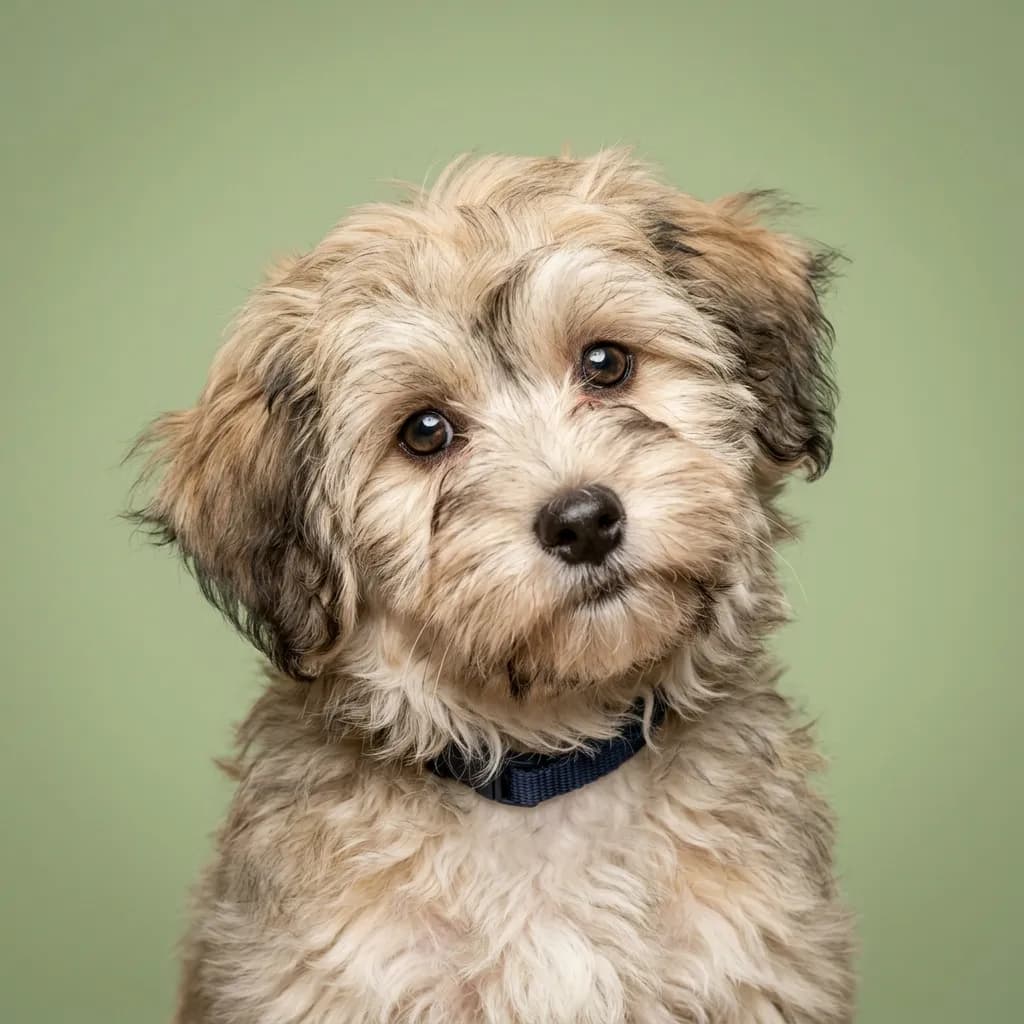
What Training a Havanese Is Actually Like
Training a Havanese is like working with a bright, eager kid who really wants to please but gets flustered if you raise your voice. They’re in the top third of dog breeds for trainability, picking up new commands in just 15 to 25 reps. First-time obedience on a new command is around 70%, which is solid for a toy breed. But here’s the catch: they’re sensitive. Harsh corrections or even a stern tone can shut them down or make them anxious. They thrive on praise, tiny treats, and consistency. Energy-wise, they’re moderate—3 out of 5—so they don’t need hours of training, but they do need regular mental engagement. Expect short sessions with big returns if you keep it upbeat.
Training Timeline
Start at 8 weeks with basic socialization—puppies need exposure to new people, sounds, and surfaces fast, since their prime window closes at 12 weeks. By 12 weeks, begin simple commands like “sit” and “stay” using 3- to 5-minute sessions. Around 6 months, they hit mental maturity, so most should grasp house rules and basic obedience by then. But don’t relax yet. Adolescence hits hard from 4 to 10 months, and you’ll see testing behaviors—ignore them at your peril. A second fear period kicks in around 24 to 28 weeks, so avoid forcing interactions or new environments during this time. Stick to positive reinforcement and revisit confidence-building exercises. By 10 months, most are steadier, and with consistent work, reliable off-leash recall is achievable by 12 months.
Breed-Specific Challenges
First, housetraining. Their tiny bladders mean they can’t hold it as long as larger breeds, and accidents are common past 16 weeks. You’ll need patience and a strict schedule—expect it to take 4 to 6 months, sometimes longer. Second, separation anxiety. Bred for constant companionship, they don’t do well alone for more than a few hours. Crate training helps, but you must build tolerance slowly. Third, their coat. It’s not a training issue per se, but daily grooming is non-negotiable, and if you skip it, matting leads to stress during handling—this affects training for vet visits or nail trims. Lastly, their outgoing nature can tip into over-excitement. Without impulse control work early on, they become yappy or jumpers.
What Works Best
Keep sessions short—3 to 5 minutes, two to three times a day. They respond best to gentle progression: break tasks into tiny steps and reward often. Use high-value, pea-sized treats paired with enthusiastic praise. A 4 out of 5 on AKC trainability means they learn fast, but only if the method matches their sensitivity. Avoid any aversive tools or yelling. End each session on a win. And don’t underestimate mental stimulation—puzzle toys, scent games, and trick training keep their smart little minds engaged without exhausting their moderate energy levels.
Crate Training Your Havanese
A 10-pound Havanese doesn’t need much space, but that doesn’t mean you should skimp on crate size. Go for a 24-inch crate even for a puppy, and use a divider. They grow fast enough that you’ll only need the divider for the first 3–4 months, but it’s crucial for housetraining—giving them too much room early on can lead to accidents in one corner while they sleep in another. Havanese are smart and sensitive, so they’ll pick up on your tone fast, but they don’t like being forced. That’s why the gentle progression method works best. Start with just 3–5 minute sessions where the crate is just a spot to eat a treat or chew a toy, door open. No pressure.
Their energy level is moderate—not a whirlwind like a Jack Russell, but not a couch potato either—so they don’t fight the crate as much as some breeds, but they won’t settle instantly either. They’re outgoing and funny, which means they’ll often perform for attention instead of going in willingly. Be consistent. Don’t let them turn it into a game. They’ll test you once they realize you’re amused.
Havanese can handle 3–4 hours crated during the day once fully trained, but puppies shouldn’t go more than 2 hours until they’re 6 months old. They bond deeply, so separation anxiety can creep in if you’re not careful. Crate train during the day while you’re home, not just at night.
One quirk: they love to chew. They’ll mouth crate bars or shred thin pads. Use a durable, chew-proof pad or just a folded fleece blanket. And they bark when bored. If they’re crying after 10 minutes, it’s not because they hate the crate—it’s because they’re used to being the center of attention. Ignore the noise, reward silence. Keep sessions short, upbeat, and full of praise. They’re eager to please, so it clicks fast when you get the tone right.
Potty Training Your Havanese
Havanese are smart and eager to please, which helps a lot when potty training, but their tiny size means you’ve got to be extra patient with their physical limits. At around 10 pounds, their bladders are small—really small—so they just can’t hold it as long as bigger dogs. Expect to take them out every 30 to 60 minutes during waking hours, especially after meals, naps, and play. That might sound intense, but it’s non-negotiable with a Havanese pup. Most will need at least 4 to 6 months before they’re consistently reliable indoors, sometimes longer if you’ve got a particularly stubborn one.
They’re ranked in Coren’s third tier for working intelligence, so they learn fast—usually picking up cues in 15 to 25 repetitions. But here’s the catch: they’re also funny and easily distracted. A squirrel, a squeaky toy, or even their own tail can derail focus mid-routine. That means consistency isn’t just helpful, it’s mandatory. Stick to a strict schedule and use a leash to guide them straight to their spot every time. No wandering, no play breaks until the job’s done.
One big challenge with small breeds like Havanese is they’ll sometimes sneak off to potty behind furniture or in bathroom corners. They’re clever and if they’ve had an accident once in a hidden spot, they may return. Keep an eye out and block off tempting areas. Crate training helps a lot—use a properly sized crate so they won’t want to soil their sleeping space.
When they do go in the right place, reward immediately. Havanese respond best to high-value treats and lots of cheerful praise. They thrive on connection, so make it a happy moment. A pea-sized piece of chicken or a tiny bit of freeze-dried liver works better than kibble. Keep sessions short, positive, and frequent. They’re not stubborn in the traditional sense, but they’ll test boundaries if the routine slips. Stay consistent, and you’ll get there.
Leash Training Your Havanese
A Havanese on a leash should be a happy little shadow, not a lunging tornado. At around 10 pounds, their necks are delicate, so skip the collar and go straight for a soft, well-fitted harness. A front-clip harness works wonders here—it gently redirects their attention when they start to pull, which they might do when that moderate 3/5 energy spikes during a squirrel sighting. They’re not high-drive like a terrier, but they’ve got enough curiosity to veer off when something catches their eye. Their prey drive isn’t off the charts, but it’s present enough that sudden movements—a fluttering leaf, a bird hopping—can trigger a mini-sprint. That’s where their intelligence shines. They’re quick to learn, scoring a solid 4/5 on trainability, so consistency pays off fast.
Common leash issues? Pulling when excited, stopping to sniff every patch of grass, and that classic toy breed behavior of wanting to be picked up instead of walking. This makes sense when you remember they were bred for Cuban aristocracy as lap companions, not distance walkers. They expect comfort and closeness, so they’ll look to you for cues. Use that. Keep sessions short and upbeat—five to ten minutes, multiple times a day. Reward loose-leash walking with praise and tiny treats. They respond better to gentle progression than correction. A frustrated Havanese shuts down or turns goofy, and you’ll lose momentum.
“Good” leash behavior for a Havanese isn’t perfect heel work. It’s walking beside you with a slack leash, checking in frequently, and moving past distractions without lunging. They’ll likely sniff more than a show-ring perfect pup, and that’s okay. Their outgoing, funny nature means walks should feel like play, not work. Match their rhythm, keep it positive, and you’ll build both manners and trust.
“I just wish someone would tell me what to do and when to do it.”
Not generic puppy tips. Not a video course you’ll never finish. Just one email a week telling you exactly what to work on with your Havanese, at the age they are right now. Nothing to sift through. Nothing to figure out. Just this week.
Get Started — It’s FreeTell us your breed and your puppy’s age. We’ll send you exactly what to work on this week.
Socializing Your Havanese
Havanese pups need serious socialization game planning because their prime learning window from weeks 3 to 12 hits right when their first fear period kicks in at 8 to 11 weeks. That overlap is critical. This is a toy breed bred for luxury living, not rough and tumble survival, so their sensitivity during those weeks can stick if mishandled. You can’t just assume their outgoing, funny personality will save them—they need guided exposure, not overwhelm.
These dogs are naturally drawn to people and thrive on companionship, but that doesn’t mean they’re bulletproof. They tend to get wary of loud noises, sudden movements, and unfamiliar surfaces like tile or metal grates. I’ve seen too many Havanese develop nervous habits because owners skipped the basics, like letting them experience different floor types or the sound of a vacuum at a safe distance. You’ve got to expose them early and positively to household sounds, children’s high-pitched voices, and larger dogs they might feel intimidated by despite their boldness.
A common mistake? Assuming their small size means they don’t need structured socialization. People carry them everywhere instead of letting them explore. Or worse, they’re overprotected because they’re “so tiny,” which teaches the dog the world is dangerous. Let them meet people, sniff new places, and navigate novel environments on their own paws—with support, not rescue.
If you skip real socialization, you don’t just get a shy dog. You get a 10-pound alarm system that barks at mail carriers, panics at vet visits, and clings to your leg around new people. Their intelligence means they remember bad experiences vividly. Do it right, and you’ve got a resilient, adaptable companion who’s as confident at a café as they are at home. Blow it, and you’re managing reactivity for life. Start early, go slow, keep it fun.