Training Your Icelandic Sheepdog
Thrives on structured tasks with clear goals. Responds to body language and subtle cues. Needs mental challenges to prevent herding behavior redirected at people/kids.
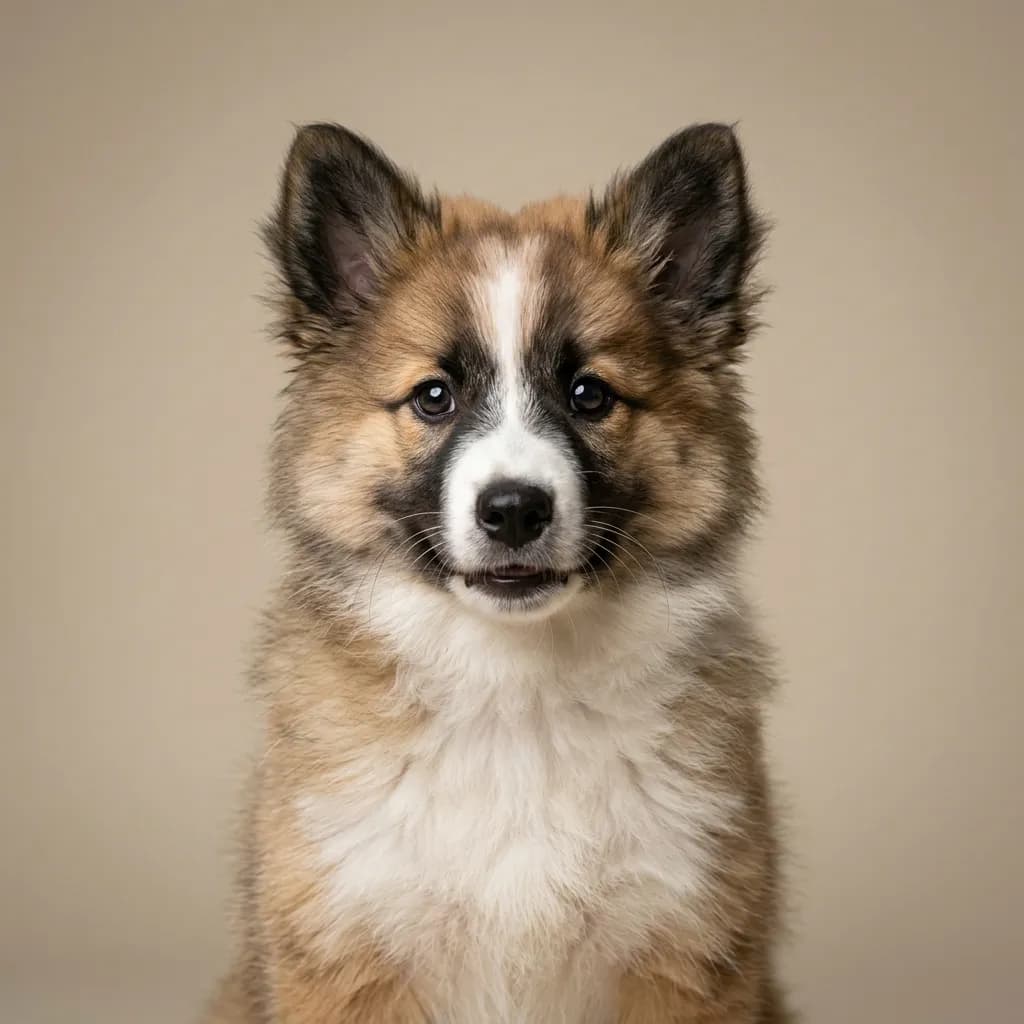
What Training a Icelandic Sheepdog Is Actually Like
Training an Icelandic Sheepdog is like working with a bright, eager kid who finishes every assignment early and then asks for extra credit. These dogs sit solidly in Coren’s Tier 2, meaning they pick up new commands in just 5 to 15 repetitions and obey on the first try about 85% of the time. That’s elite-level intelligence. But here’s the catch—they’re not just smart, they’re engaged. Bred to work independently in isolated Icelandic pastures, they’re wired to observe, problem solve, and take initiative. Without structure, that intelligence turns mischievous. They’ll herd the kids, bark at the mail carrier like it’s their job, or invent games involving your shoes. They thrive on clear rules and purposeful tasks. If you like variety and mental engagement, this breed is a dream. If you want a low-maintenance companion who’ll quietly follow cues, look elsewhere.
Training Timeline
Start training at 8 weeks. Their socialization window is critical and short—weeks 3 to 12—so flood them with positive experiences: different people, surfaces, sounds, and dogs. By 16 weeks, they should have basic sit, stay, and recall down. Around 32 to 40 weeks, brace for the second fear period. Keep training consistent but low-pressure. Avoid forcing interactions; use treats and distance to build confidence. Adolescence hits hard from months 5 to 14. You’ll see regression in obedience, increased barking, and testing of boundaries. This is when most owners get frustrated. Stick with it. Their mental maturity hits around 9 months, but full emotional steadiness comes closer to 18 months. Keep training sessions frequent and fun through this phase to prevent habit-building in bad behaviors.
Breed-Specific Challenges
First, barking. Icelandic Sheepdogs were bred to alert and gather, so they bark a lot. Without training, they’ll vocalize at squirrels, doorbells, and passing clouds. It’s not aggression—it’s instinct—but it can overwhelm noise-sensitive households. Second, herding behavior. They’ll nip at heels, especially around kids, if not channeled. Redirect this early into structured games like fetch or treibball. Third, mental under-stimulation. With a 5/5 need for mental work, they’ll create their own jobs if you don’t. That means digging, chewing, or obsessive circling. Finally, independence. They’re cooperative but not blindly obedient. They’ll assess whether a command makes sense before following it. That’s not defiance—it’s intelligence. You have to earn their buy-in.
What Works Best
Keep sessions short—10 to 15 minutes, 3 to 4 times a day. These dogs burn out fast if bored. Use structured, task-oriented work: puzzle toys, scent games, agility drills. They respond to precision and consistency, not repetition for its own sake. Reward heavily with play and enthusiastic verbal praise; they bond through interaction, not just food. Toss a ball for a solid recall, not just hand them a treat. Introduce new challenges every few weeks to maintain engagement. A bored Icelandic Sheepdog is a problem-solving machine working against you. Train with purpose, keep it dynamic, and you’ll have a remarkably responsive partner who’s always ready for the next task.
Crate Training Your Icelandic Sheepdog
A medium-sized dog, the Icelandic Sheepdog averages around 28 pounds, so a 36-inch crate is ideal for an adult. If you’re starting with a puppy, use a crate with a divider—this breed grows steadily but not explosively, so plan to adjust the divider every 6 to 8 weeks until they hit full size around 10 to 12 months. A crate that’s too big too soon will encourage them to potty in one corner and sleep in another, which defeats the whole purpose.
These dogs are eager to please and highly trainable, scoring a solid 5/5 in trainability, so crate training usually goes smoothly if you keep it structured and positive. Their playful, inquisitive nature means they’ll investigate the crate like it’s a puzzle to solve—use that to your advantage. Toss treats inside, let them explore, and reward every voluntary entry. But don’t expect them to settle instantly. Their energy level is high—4 out of 5—so cramming crate time right after mealtime or without exercise is a recipe for whining and pawing. Always tire them out first with a short play or training session.
An adult Icelandic Sheepdog can handle 4 to 5 hours crated during the day, but puppies should only be left 2 to 3 hours max. They’re social dogs and don’t like isolation, so prolonged crating leads to barking or restlessness. Crate them at night and during busy hours, but don’t rely on it all day if you work full time.
One quirk: their herding instinct can manifest as chewing on crate pads or fabric. Use a durable rubber mat instead of plush bedding. Some will also “dig” at the crate floor out of boredom—keep sessions short and mentally engaging before crating. Rotate puzzle toys stuffed with kibble to keep them occupied. And always end crate time with a task, like “sit” or “wait”—it reinforces cooperation and plays into their precision-oriented learning style.
Potty Training Your Icelandic Sheepdog
Icelandic Sheepdogs are smart, eager to please, and usually pick up potty training faster than most breeds. With a 5/5 trainability rating and placement in Coren’s Tier 2 for working intelligence, they learn what’s expected in just 5 to 15 repetitions. Their medium size—averaging around 28 pounds—means they have a decent bladder capacity for their frame, which helps. Puppies still need frequent outdoor trips every 1 to 2 hours during the day, but you’ll see progress quickly, often within the first two weeks.
Most Icelandic Sheepdogs are reliably house-trained by 4 to 5 months, assuming consistency. They’re not stubborn in the way some herding breeds can be; instead, they’re inquisitive and responsive, so they’ll follow your lead if you’re clear and patient. That said, their playfulness can be a distraction. A squirrel in the yard or a butterfly passing by might pull their focus mid-potty trip. Keep outdoor sessions calm and focused, and stick to a routine so they know it’s business first, play later.
One challenge you might face is indoor accidents during high-energy moments. These dogs bond closely and can get so excited when you come home that they pee from overstimulation. To prevent this, keep greetings low-key and take them straight outside on a leash. Once they’ve gone, then you can celebrate.
When it comes to rewards, they respond best to enthusiasm and treats in combination. Use small, soft treats and follow with praise or a quick game of tug—something that matches their lively spirit. A routine of eat, play, sleep, potty works well with their natural rhythm. Stick to it, and you’ll have a reliably house-trained dog in under 16 weeks, often sooner.
Leash Training Your Icelandic Sheepdog
A well-fitted front-clip harness is your best bet with an Icelandic Sheepdog. At 28 pounds on average, they’re strong for their size, especially given their herding background, and a collar alone won’t give you enough control when they spot something interesting. Their 4/5 energy means they’re always ready to move, and that playful, inquisitive nature means distractions are everywhere. A front-clip harness discourages pulling by redirecting their momentum, which is crucial because these dogs were bred to work independently, circling and managing livestock. That translates to a tendency to weave ahead, dart side to side, and pivot quickly—kind of like a herding version of “leash zigzag.” It’s not defiance, it’s instinct. They’re scanning, planning, and engaging with their environment like they were built to do.
Their prey drive isn’t as high as a terrier’s, but it’s present. Small animals, fluttering birds, even a plastic bag in the wind can trigger a sudden burst of speed. That’s why consistency in training matters. The good news? They’re 5/5 in trainability. They want to work with you, not against you. Use cooperative precision—clear cues, positive reinforcement, and short, engaging sessions. Practice loose-leash walking in low-distraction areas first, then gradually increase difficulty.
Realistic expectations matter. “Good” leash behavior for an Icelandic Sheepdog isn’t robotic heel work. It’s being able to walk within a few feet without constant pulling, responding promptly to changes in direction, and checking in frequently. They’ll still pause to sniff or tilt their head at a new sound—that’s their inquisitive side. Trying to suppress that will backfire. Instead, shape their natural attentiveness into focus. Let them engage, but on your terms. With consistency, they’ll learn to balance their curiosity with cooperation, which is exactly what they were bred to do.
“I just wish someone would tell me what to do and when to do it.”
Not generic puppy tips. Not a video course you’ll never finish. Just one email a week telling you exactly what to work on with your Icelandic Sheepdog, at the age they are right now. Nothing to sift through. Nothing to figure out. Just this week.
Get Started — It’s FreeTell us your breed and your puppy’s age. We’ll send you exactly what to work on this week.
Socializing Your Icelandic Sheepdog
The Icelandic Sheepdog’s socialization window opens at three weeks and closes around twelve, which means that critical period overlaps heavily with their first fear period from eight to eleven weeks. That’s not ideal timing. During those fear-sensitive weeks, a bad experience can stick. These dogs are naturally inquisitive and friendly, but they’re also alert and can be quick to notice something unfamiliar—like a loud noise or a sudden movement—and that’s when their herding instincts might make them freeze or retreat instead of charge in. You can’t afford to be careless during that window.
Because they were bred to work around livestock and farm activity in remote parts of Iceland, they need early, positive exposure to a wide range of stimuli beyond just people and dogs. They need to hear machinery, see bicycles, walk on different surfaces, and get used to children’s unpredictable motions. Kids are a must. Their herding background means they may try to “manage” fast-moving children, so pairing early, controlled interactions with praise for calm behavior is key.
These dogs tend to be wary of strangers and sudden changes in environment. Left unaddressed, that wariness can turn into avoidance or excessive barking. Don’t assume their friendliness means they’ll figure it out on their own. Socialization has to be consistent, not sporadic.
A common mistake is thinking they’re “fine” because they’re playful at home. An Icelandic Sheepdog who isn’t properly socialized by twelve weeks often matures into a dog that’s overly reactive to novelty, even at nine months when they reach emotional maturity. You’ll see hesitation, barking at stimuli, or herding behaviors directed at family members. Early gaps in exposure don’t just fade with age. They shape the adult dog’s confidence. Do it right, and you’ve got a resilient, adaptable companion. Skip it, and you’re managing reactivity for years.