Training Your Irish Wolfhound
Independent thinkers bred to work ahead of handlers. Scent hounds follow their nose; sight hounds follow movement. Requires patience and high-value rewards.
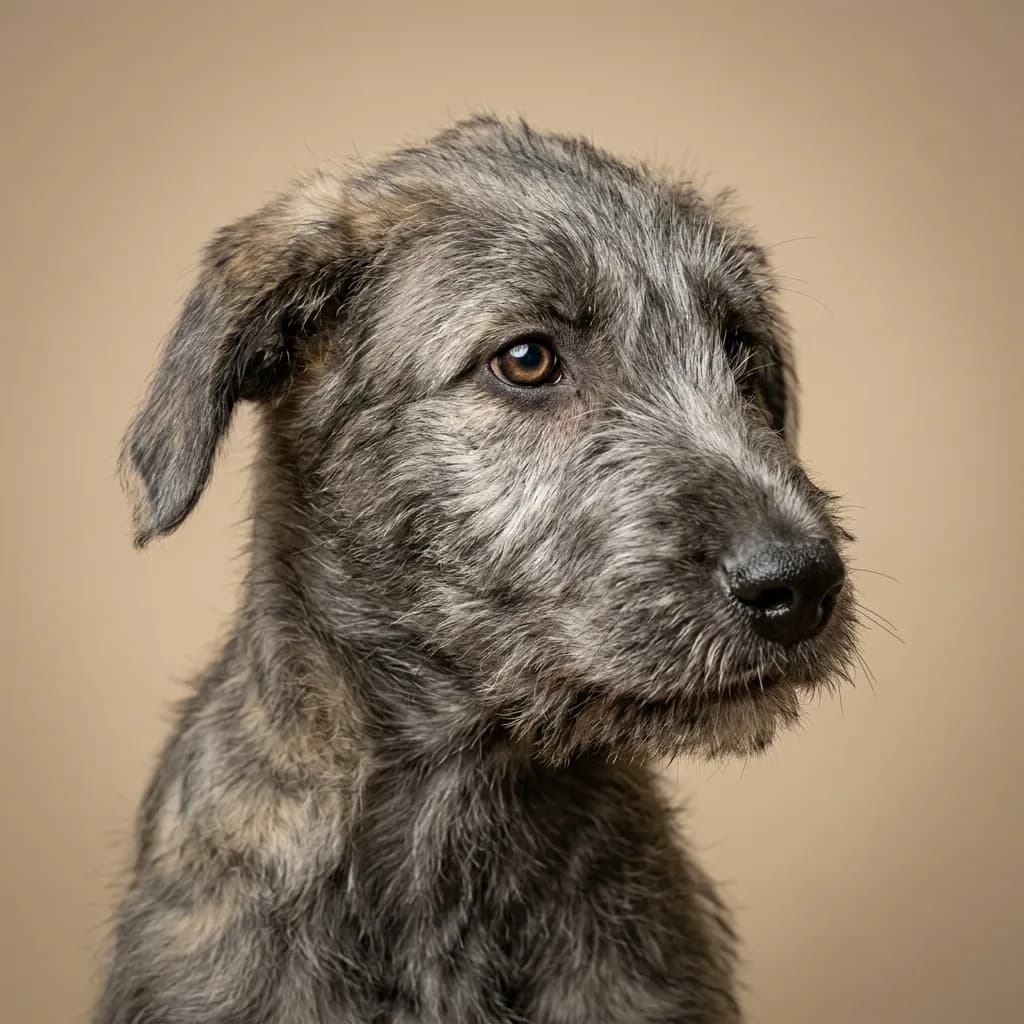
What Training a Irish Wolfhound Is Actually Like
Training an Irish Wolfhound isn’t about dominance or repetition drills. It’s about patience, timing, and respecting their quiet dignity. These dogs are in the Hound Group for a reason—they were bred to think independently while tracking large game across open terrain. That means they’re not wired to hang on your every word like a Border Collie. With a Coren trainability tier of 4, they need 25 to 40 repetitions to learn a new command, and even then, first-command obedience hovers around 50%. Don’t take it personally. They’re not stubborn out of defiance. They’re assessing whether your request makes sense in the moment. Their energy is moderate—3 out of 5—but their mental stimulation needs are deceptively high. You can’t just toss a ball; they need engagement that speaks to their heritage. Think scent games, not just sit/stay drills. They respond best to calm consistency, not force.
Training Timeline
Start at 8 weeks: this is your golden window for socialization. By 12 weeks, they should meet at least 100 different people, experience various surfaces, sounds, and household items. Fear periods hit hard during weeks 56 to 72—so around 14 months old, they may regress on previously learned behaviors. That’s normal. Back off pressure, revisit basics gently. Adolescence lasts from 8 to 24 months, which is a long stretch for a giant breed. By 20 months, they’re mentally mature. Before that? Expect inconsistency. Crate training should be solid by 5 months, leash walking by 7 (though they’ll still lunge at squirrels), and recall by 10 months—but only if practiced with high-value rewards. Off-leash freedom comes late, if ever. And recall? Don’t trust it near traffic until they’re fully mature.
Breed-Specific Challenges
First, their size. At 112 pounds on average, a puppy pulling on leash isn’t just annoying—it’s dangerous. You need a front-clip harness and consistent loose-leash training starting at 10 weeks. Second, their prey drive. Bred to hunt wolves, they’ll fixate on movement. Squirrels, cats, even fluttering leaves can trigger a chase. This isn’t defiance. It’s biology. Third, their independence. They won’t earn obedience titles easily because they weigh options. "Should I come when called?" is a real internal debate. Fourth, their lifespan. At 6 to 8 years, they age fast. You’re not just training a dog—you’re supporting a giant breed through rapid physical decline later on. That affects motivation and consistency.
What Works Best
Keep sessions under 5 minutes. These dogs burn out fast. Use extremely high-value treats—real meat, not kibble. Roast chicken, freeze-dried liver, tripe—nothing less will compete with their nose. Scent-based games like hide-and-seek with treats or toys tap into their instincts and build focus. Train off-leash in fully fenced areas only, and never assume recall is solid before 24 months. Use calm praise paired with food; they’re dignified, not exuberant. And remember: they mature at 20 months. Until then, expect lapses. Train patiently, reward generously, and respect their quiet intelligence.
Crate Training Your Irish Wolfhound
You’re going to need a 48-inch crate minimum for an Irish Wolfhound, no question. Even as a puppy, they grow fast—reaching over half their adult weight by just 6 months—and a divider won’t really save you much. They’re too long and leggy; a divider cuts off the space they need to stretch out comfortably, which defeats the purpose. Go big from the start. These dogs are dignified and calm by nature, not hyper or anxious, so they’re more likely to accept the crate as a den than fight it. But don’t mistake calm for instant buy-in. They’re patient, not eager-pleasers, and trainability is only moderate. You’ve got to earn their cooperation.
Use scent games to draw them in. Tuck treats under a towel in the crate or hide a favorite toy with a bit of balm on it (they love strong scents). Short sessions, two minutes at first, with high-value rewards—think frozen tripe or cheese—keep them engaged without overwhelming them. Their energy level is moderate, but they’re stoic and observant. They won’t whine or bark much, but if they’re uncomfortable, they’ll just stand there, staring at you. That’s your cue to back up and rebuild.
Adult Irish Wolfhounds can handle 4 to 5 hours crated if exercised first, but don’t push it. They’re not prone to separation panic, but confinement stress shows up subtly—chewing the crate pad into fluff, pawing at the door, or dragging the whole thing across the floor if it’s not anchored. Secure it, and use a chew-proof mat instead of plush bedding. Puppies under 6 months shouldn’t be crated more than 3 hours at a stretch.
They’re not mouthy like terriers, but they do investigate with their jaws. If the crate has bars, they might gnaw the plastic edges. Go with a durable plastic airline crate or a heavy-duty wire one with metal corners. Make it their sanctuary, not a prison, and they’ll use it willingly for life.
Potty Training Your Irish Wolfhound
Potty training an Irish Wolfhound is a marathon, not a sprint, and their size alone changes the game. At an average of 112 pounds, they’ve got the bladder capacity of a small horse, which sounds like a plus—less frequent trips, right? Not exactly. Yes, they can hold it longer, but that also means accidents are big and cleanup is no joke. You’re looking at a realistic timeline of 6 to 9 months for full reliability, sometimes longer. Don’t expect overnight success, even if your pup seems housebroken for a week or two. Consistency is non-negotiable.
These dogs are dignified and calm, not hyperactive, but don’t mistake their quiet nature for quick learning. With a trainability rating of 3 out of 5 and landing in Coren’s “Average” tier, Irish Wolfhounds need 25 to 40 repetitions to grasp a command or routine. They’re not stubborn in a defiant way—they’re just thoughtful and independent. They won’t rush to please you like a Border Collie. That means your routine has to be rock solid: same door, same spot outside, same cue words every single time.
One challenge you won’t see coming? Their sheer scale. They grow fast and their paws are clumsy. You might think they’re signaling to go out, but at 6 months they’re still figuring out their own body. Missing the potty pad by inches isn’t defiance—it’s coordination. Keep outdoor trips frequent, especially after eating, drinking, or waking. Crate training helps, but size matters here too—an adult Wolfhound needs a huge space, so plan ahead.
Rewards? Keep them meaningful but not excessive. These gentle giants respond best to calm praise and small, high-value treats. No need for over-the-top excitement. A quiet “good job” with a piece of chicken works better than a squeaky toy frenzy. They’re not driven by chaos. They’re driven by quiet trust. Build that, and the potty training will follow.
Leash Training Your Irish Wolfhound
Leash training an Irish Wolfhound isn’t about control through force—it’s about guiding a 112-pound dog with the heart of a warrior and the curiosity of a scholar. These dogs were bred to hunt wolves and elk across open fields in ancient Ireland, so their instinct is to cover ground, investigate movement, and follow scent trails. That means they’ll stop abruptly to sniff, lunge at sudden motion, and pull when excited—especially if they catch a whiff of something interesting. Their energy is moderate, around a 3 out of 5, but their sheer size means even a polite amble can drag you sideways if they decide to investigate.
A front-clip harness is non-negotiable. These dogs have long necks and delicate tracheas, and a standard collar risks injury if they yank. A well-fitted harness distributes pressure and gives you gentle steering control without compromising their dignity. Look for one built for giant breeds—reinforced stitching, wide straps, and adjustable chest plates. You’re not trying to dominate them; you’re partnering with a noble athlete.
Their trainability is average, but they respond best to calm, consistent guidance. Harsh corrections backfire. Use the scent_patience method: let them investigate after a cue like “go sniff,” then redirect with a soft “let’s go.” This honors their hound nature while teaching focus.
Common leash problems? Stopping mid-walk to become a statue when they catch a scent, or surging forward at squirrels with that ancient prey drive kicking in. You won’t get a heeler, but good leash behavior for a Wolfhound is loose-leash walking with occasional pauses for approved sniffing, and reliable check-ins every 10–15 feet. They’ll never be as biddable as a Border Collie, but with patience, they’ll walk beside you like the calm, dignified giant they are—just ready to bolt if a rabbit darts across the field. And you’ll forgive them every time.
“I just wish someone would tell me what to do and when to do it.”
Not generic puppy tips. Not a video course you’ll never finish. Just one email a week telling you exactly what to work on with your Irish Wolfhound, at the age they are right now. Nothing to sift through. Nothing to figure out. Just this week.
Get Started — It’s FreeTell us your breed and your puppy’s age. We’ll send you exactly what to work on this week.
Socializing Your Irish Wolfhound
Irish Wolfhounds need serious socialization between weeks 3 and 12, and that window hits right when they’re entering their first fear period at 8 to 11 weeks. That overlap is critical. You can’t wait. These pups are bred to take down wolves, so their natural wariness of strangers and sudden movements isn’t just personality—it’s hardwired. If you don’t expose them early to a wide range of people, sounds, and environments, that wariness turns into something much harder to manage by 6 months, when their size starts catching up to their instincts.
You need to flood them with positive experiences involving men with deep voices, tall hats, backpacks, umbrellas, skateboards, and kids yelling and running. Not because they’re aggressive, but because they’re observant and sensitive. A dog this big reacting fearfully at 140 pounds is dangerous. They’re not naturally suspicious like a guardian breed, but their hound background means they notice things and size up situations. Let them approach on their own terms, but don’t force it—especially during that fear period. One bad experience between 9 and 11 weeks can set back progress for months.
Common mistakes? People think because they’re calm as adults, the puppy doesn’t need much. Or worse, they overprotect them during the fear window, missing the chance to build confidence. Another mistake is assuming their gentle nature means they’ll adapt to anything. They won’t. An under-socialized Irish Wolfhound doesn’t become aggressive, but they become shut down or overly cautious, which undermines their natural dignity and calm.
Skip early socialization and by 20 months—when they’re finally mature—you’ll have a giant dog hesitant at the vet, leery of new people, and slow to warm. Do it right, and you’ve got a peaceful giant who moves through the world like he owns it, unbothered and steady. That’s the point.