Training Your Kai Ken
Rare breeds with varied backgrounds. Approach based on breed's country of origin and original purpose.
What Training a Kai Ken Is Actually Like
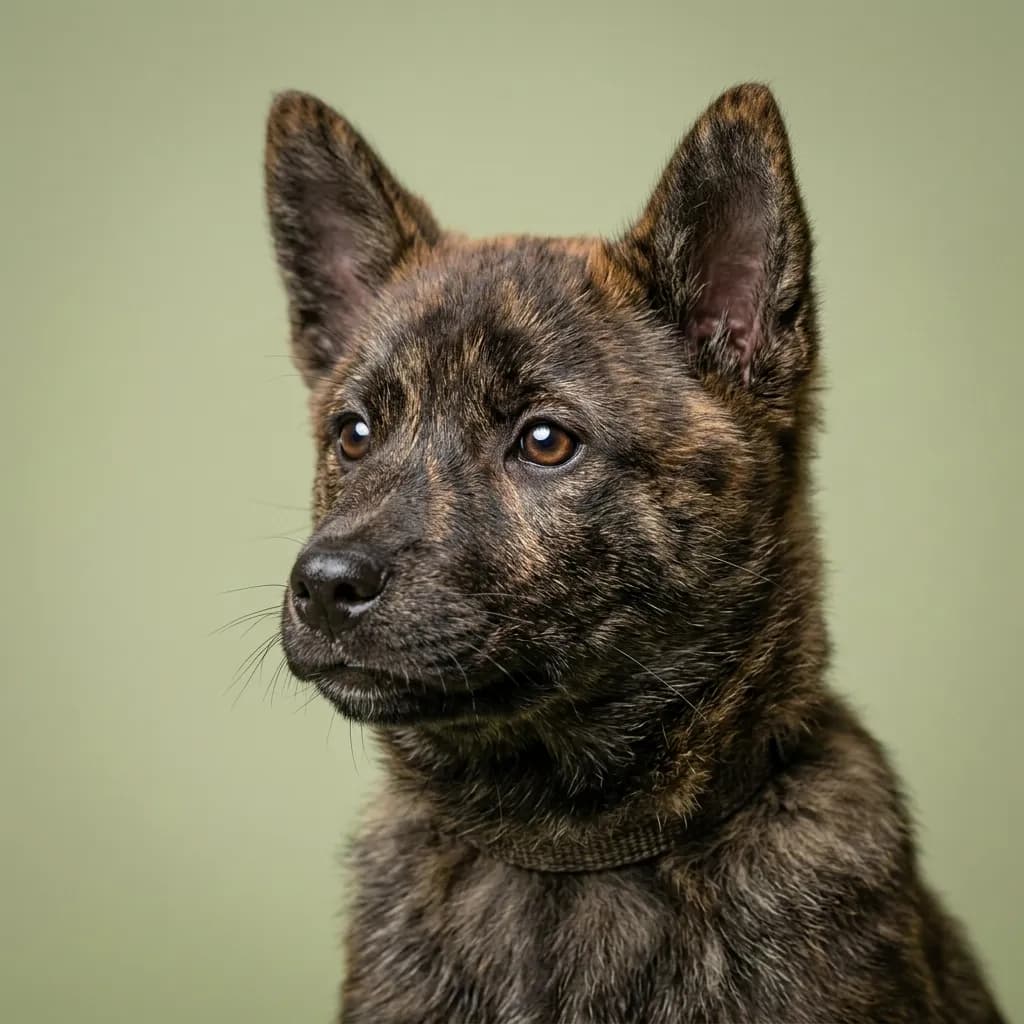
Training a Kai Ken feels like working with a sharp, independent athlete who respects competence. They’re not stubborn in the way some terriers are, but they’re far from eager-to-please like a Border Collie. Bred to work independently in rugged Japanese terrain, they’re observant, quick to learn, and highly responsive to consistent leadership. Their Coren tier 3 intelligence means they’ll pick up new commands in 15 to 25 repetitions, and they achieve first-command obedience about 70% of the time. But here’s the catch: they need a reason to follow you. Praise alone won’t cut it. They respond best to clear structure, varied challenges, and a handler who doesn’t waver. If you’re indecisive or inconsistent, they’ll tune you out. They’re not for first-timers, not because they’re aggressive or untrainable, but because they demand confidence and precision.
Training Timeline
Start at 8 weeks: socialize like your life depends on it. The window closes at 12 weeks, and missing it will cost you later. Expose them to different people, surfaces, sounds, and environments daily. By 16 weeks, begin basic obedience—sit, stay, leash walking—with short, energetic sessions. At 32 weeks (8 months), watch for the second fear period. They may spook at things they previously ignored. Go slow, avoid forcing, and rebuild confidence with positive exposure. Adolescence hits hard from months 5 to 14. Energy peaks around 7 months, and their mountain-bred independence kicks in. This is when training consistency pays off. Maturity lands around 9 months, but full emotional steadiness takes until 18 months. Stick with it.
Breed-Specific Challenges
First, prey drive. Bred to hunt deer and boar, they’ll lock onto squirrels, cats, or birds in a heartbeat. Off-leash freedom is risky, even in secure areas. Second, aloofness with strangers. They’re loyal to their people but reserved with newcomers. This isn’t aggression—it’s caution—but it means early socialization is non-negotiable. Third, noise sensitivity. Sudden sounds like fireworks or backfiring cars can trigger lasting fear, especially during the second fear period. And fourth, independence. They’re not disobedient; they’re assessing. If your command doesn’t make sense to them in the moment, they’ll hesitate. This isn’t defiance. It’s thinking.
What Works Best
Use an adaptive mixed methodology—blend positive reinforcement with structured boundaries. Sessions should be 5 to 10 minutes, 2 to 3 times daily. They thrive on variety, so rotate skills and locations. Food rewards work well early on, but shift to play and praise by 6 months—especially tug, since it taps into their hunting drive. Keep pacing brisk; they lose interest in slow drills. Their 4/5 mental stimulation need means they crave problem-solving. Add puzzle toys, scent games, and off-leash tracking in controlled areas. Train in cold, open spaces when possible—they’re built for it. Be firm, fair, and endlessly consistent. They don’t need a drill sergeant. They need a capable partner.
Crate Training Your Kai Ken
A Kai Ken needs a 36-inch crate as an adult; if you’re starting with a puppy, get one with a divider so you can block off the extra space. These dogs are smart and clean by nature, so they won’t want to soil their sleeping area, but a crate that’s too big early on lets them potty in one corner and sleep in another, which ruins the whole point. The divider helps you scale the space as your pup grows from 10 pounds to their full 30.
Kai Kens are agile and alert, which means they notice everything and can be suspicious of new things—like a crate—especially as puppies. Don’t rush it. They’re not typically barkers without cause, but if they feel trapped or anxious, they’ll let you know. Introduce the crate with treats and meals inside, never force entry. They respond well to consistency and positive reinforcement, so keep sessions short and upbeat. Because they’re keen and loyal, they’ll pick up on your tone fast—stay calm and confident.
Their 4/5 energy level means they need movement, so crating for more than 3-4 hours at a time as an adult isn’t fair unless they’ve had serious exercise first. Puppies under six months shouldn’t be crated more than 2 hours at a stretch. These dogs bond closely, so if you crate them while gone all day, they may develop stress behaviors like chewing the crate pad or scratching at the door. Use a durable, chew-resistant pad—or skip it entirely and go with an easy-to-clean mat.
One quirk: Kai Kens like to mouth things during teething, and that includes crate bars. If you see chewing, don’t scold—just redirect. A frozen Kong stuffed with kibble and peanut butter can make the crate a positive space fast. And because they’re agile, make sure the crate is secured so they can’t tip it if they jump in enthusiastically.
Potty Training Your Kai Ken
Potty training a Kai Ken is generally a smoother process than with many other breeds, thanks to their above-average trainability and keen intelligence. Ranked in Coren’s third tier, they typically pick up new commands in 15 to 25 repetitions, and house-training follows a similar curve. Their medium size—averaging around 30 pounds—means they develop bladder control faster than tiny breeds but don’t have the same staying power as larger dogs. Expect a Kai Ken puppy to hold it for about one hour per month of age, so a 3-month-old can manage roughly three hours. That means you’ll need consistent outings every few hours, especially after meals, naps, and play sessions.
Their temperament works in your favor. Loyal and eager to please, Kai Kens form close bonds and pay attention to their owner’s cues. They’re not as stubborn as some independent Nordic or terrier types, but they’re not pushovers either. Consistency is key—give clear signals and stick to a routine, or they’ll test boundaries. They respond poorly to inconsistency, so if you let them slip indoors one day, expect regression.
Most Kai Kens are reliably house-trained by 5 to 7 months, assuming daily effort and no major setbacks. One breed-specific challenge? Their agility and curiosity. They’ll dash off to investigate scents in the yard, which can distract them from actually going potty. Keep outdoor sessions focused: use a leash, pick a dedicated spot, and wait until they eliminate before allowing free play.
When it comes to rewards, high-value treats work best—small bits of chicken or cheese—paired with enthusiastic praise. They’re motivated by both food and your approval, so don’t skimp on the verbal encouragement. Over time, shift toward intermittent reinforcement to maintain the behavior long-term. With steady guidance, your Kai Ken will be consistently clean indoors well before their first birthday.
Leash Training Your Kai Ken
Leash training a Kai Ken is manageable but demands respect for what this breed was built to do. They were bred to hunt deer and wild boar in rugged Japanese mountain terrain, which means they’re agile, determined, and naturally inclined to push forward when something catches their interest. That kind of drive doesn’t disappear on suburban sidewalks. Expect exploratory pulling, especially early on, not out of defiance but because their instincts tell them to investigate, chase, and cover ground.
A front-clip harness works better than a collar for most Kai Ken. They’re medium-sized at around 30 pounds but strong and surprisingly wiry. A collar can encourage pulling and risks tracheal strain, especially when they lock onto a squirrel or bird. The front-clip harness gives you more control without compromising their breathing or neck safety. Pair it with a 4-6 foot standard leash—no retractables. They’re too quick and focused for that kind of freedom.
Their 4/5 energy level means short, frequent training sessions beat long ones. They’re keen and trainable, but mental fatigue hits fast if you push too hard. Use positive reinforcement with high-value treats; their loyalty means they want to please, but their prey drive can override focus in stimulating environments.
Common leash issues include sudden lunging, stiffening when they catch a scent, and selective hearing near wildlife. These aren’t behavioral flaws—they’re remnants of mountain hunting. “Good” leash behavior for a Kai Ken isn’t perfect heel work. It’s responsive walking with minimal pulling, returning focus when called, and stopping lunges with consistent cues. They’ll never ignore a rabbit darting across the trail, but they can learn to check in with you first. Train in low-distraction areas first, then scale up. Real progress means they’re safe, responsive, and still able to be the alert, driven dog they were born to be.
“I just wish someone would tell me what to do and when to do it.”
Not generic puppy tips. Not a video course you’ll never finish. Just one email a week telling you exactly what to work on with your Kai Ken, at the age they are right now. Nothing to sift through. Nothing to figure out. Just this week.
Get Started — It’s FreeTell us your breed and your puppy’s age. We’ll send you exactly what to work on this week.
Socializing Your Kai Ken
Socializing a Kai Ken isn't optional. It's the difference between a confident, adaptable companion and a dog that tenses up at every new person, sound, or sidewalk crack. Their socialization window is tight—weeks 3 to 12—and it directly overlaps with their first fear period from weeks 8 to 11. That means the very time they're most impressionable is also when they're most vulnerable to lasting negative associations. You can't wait until they're "older and calmer" because by 9 months they’re emotionally mature and set in their ways. What they experience—or don’t experience—before 12 weeks locks in.
Kai Kens were bred to hunt wild boar and deer solo in rugged Japanese mountains. That history left them with a natural wariness of strangers and novel stimuli. They don’t default to friendliness. So you need to over-expose them to things they’ll find suspicious: men with hats, people wearing backpacks, skateboards, sudden movements, loud city noises. Don’t just walk them down the same street. Take them to gas stations, parking lots, outdoor cafes. Let them see the world, but on their terms—no forcing. If you drag them into scary situations, you’ll confirm their fears.
The biggest mistake people make is thinking "quiet good behavior" means the puppy is fine. A Kai Ken who shuts down instead of investigating is not calm. They’re overwhelmed. Socialization isn’t about flooding them with stimuli. It’s about pairing neutral or scary things with food, distance, and confidence-building.
Skip proper socialization and you’ll end up with a 30-pound medium dog who barks at delivery people, tenses on walks, and doesn’t trust guests. Their loyalty and keen awareness become hypervigilance. But do it right, and you get a focused, agile partner who’s tuned in to you and unshaken by the world around them.