Training Your Kishu Ken
Rare breeds with varied backgrounds. Approach based on breed's country of origin and original purpose.
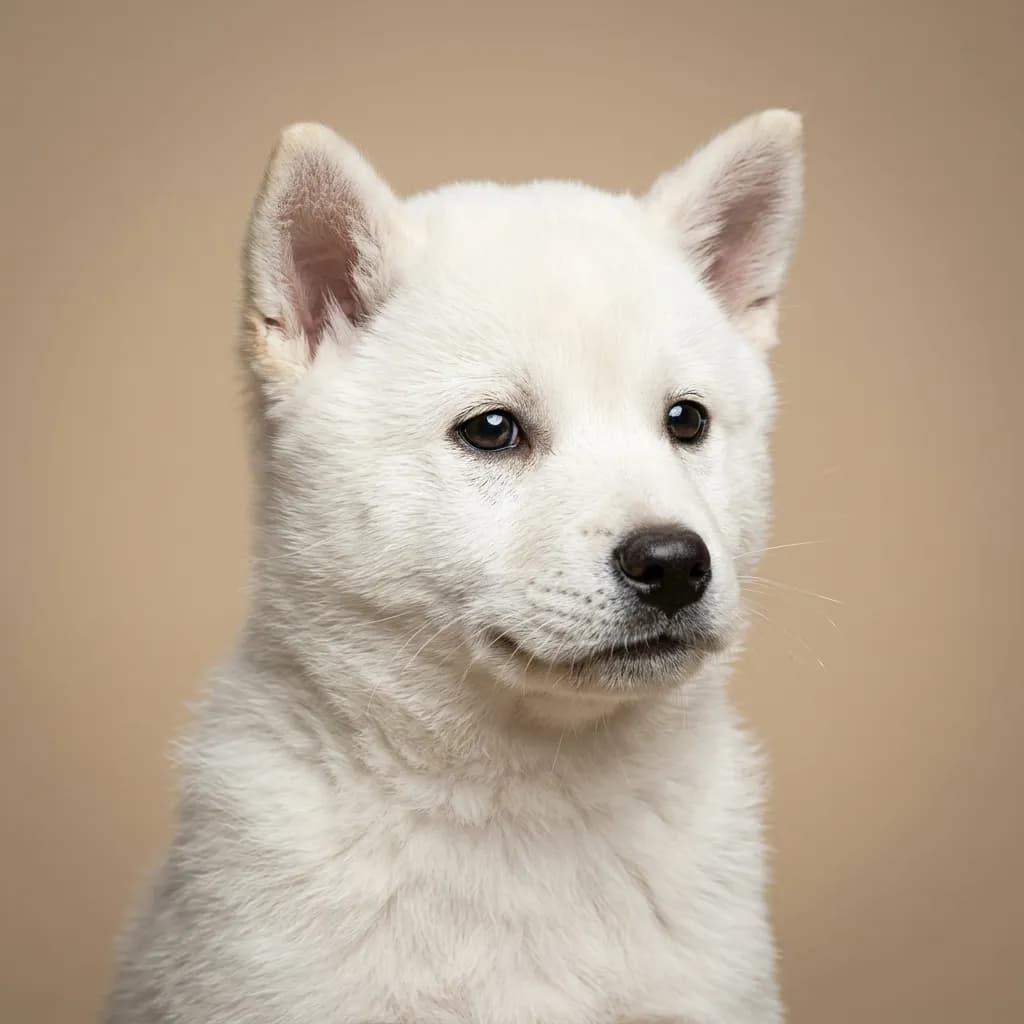
What Training a Kishu Ken Is Actually Like
Training a Kishu Ken isn’t about dominance or force, but about earning trust through consistency. They’re not stubborn in the typical sense—they’re thoughtful. Ranked Tier 4 by Stanley Coren, they learn new commands in 25 to 40 repetitions and respond to the first command about 50% of the time. That’s average, but don’t mistake that for dullness. These dogs are mentally sharp, bred to track and take down game in rugged terrain, and they need mental challenges to stay engaged. They’re not eager-to-please like a Border Collie, but they respect calm, confident leadership. Their temperament—faithful, noble, docile—means they bond deeply with their people, but that loyalty comes with wariness toward strangers and a strong prey drive. If you’re looking for a dog that learns fast and obeys instantly, this isn’t your breed. If you want a thoughtful, loyal partner who rises to challenges when properly motivated, you’re on the right track.
Training Timeline
Start at 8 weeks with basic handling, name recognition, and crate training. The socialization window is narrow—weeks 3 to 12—so prioritize safe exposure to people, surfaces, sounds, and other dogs. By 16 weeks, begin leash manners and sit/stay with short sessions. Around 32 to 40 weeks, watch for the second fear period: regressions in confidence, shyness, or avoidance are common. Don’t push; reinforce known skills gently and avoid forced interactions. Adolescence hits hard from months 5 to 14, where independence spikes and prey drive intensifies. Use this phase to build focus with off-leash recall in secure areas. Maturity arrives around 9 months, but mental development continues through 18 months. By then, consistent training should result in a reliable, attentive dog—provided you’ve respected their pace.
Breed-Specific Challenges
First, prey drive is intense. Bred to hunt deer and wild boar, Kishu Kens will chase small animals without hesitation. Secure fencing and lifelong recall training are non-negotiable. Second, their wariness of strangers can tip into aloofness or suspicion without early, consistent socialization. They’re not aggressive by default, but they’re discerning. Third, they’re independent thinkers. They’ll assess whether a command makes sense before complying, especially if they’re not motivated. That’s not defiance—it’s problem-solving. Finally, they’re sensitive to tone and inconsistency. Harsh corrections destroy trust, but wishy-washy rules confuse them. You need clarity, not force.
What Works Best
Use an adaptive mixed approach: blend positive reinforcement with structured routine, drawing from their Japanese hunting heritage. Keep sessions short—5 to 10 minutes, 2 to 3 times daily—especially during adolescence. They respond best to variable rewards: mix high-value treats (like freeze-dried liver) with praise and play, but don’t over-rely on food. Their 4/5 mental stimulation need means puzzle toys, scent games, and tracking drills keep them engaged. Train during calm moments, not after high arousal. Pacing is critical: allow extra time for new commands, repeat often, and proof gradually in distracting environments. Above all, lead with patience and respect. This breed thrives on partnership, not pressure.
Crate Training Your Kishu Ken
A fully grown Kishu Ken averages around 45 pounds, so aim for a 36-inch crate. If you’re starting with a puppy, use a divider—Kishu Ken puppies grow steadily but not explosively, so a properly sized section keeps them from having too much space early on, which can encourage potty accidents. That said, don’t undersize it; they’re medium dogs with a sturdy build and need room to stand and turn comfortably by six months.
Crate acceptance usually goes smoothly thanks to their docile and faithful temperament. Kishu Kens aren’t high-strung like some primitive breeds, but they’re not eager-to-please like Labs either. Trainability sits at a moderate 3/5, so consistency matters more than charm. They won’t fight the crate aggressively, but they might hesitate if it feels like confinement rather than sanctuary. Start slow, feed meals inside, and avoid using the crate as punishment—this breed holds quiet grudges.
Their energy level is moderate, around 3/5, and they do best with a routine. A healthy adult Kishu Ken can handle 4 to 5 hours crated during the day if exercised beforehand. Don’t push beyond that regularly; they’re loyal companions and don’t do well with long isolation. They’re not prone to constant barking in the crate, but some will let you know they’re displeased with soft whines or muttering—especially if they feel ignored.
One quirk: some Kishu Kens chew at crate pads or fabric liners, especially as puppies. Go for durable, chew-resistant bedding—or skip the plush pad entirely. They’re not diggers like Huskies, but they might paw at the mat to rearrange it. Stick to metal crates; they’re more secure and easier to clean. And keep the crate in a quiet corner of the living area, not a basement or garage. These dogs bond deeply and need to feel part of the household, even when confined.
Potty Training Your Kishu Ken
Kishu Kens are medium-sized dogs at around 45 pounds on average, which gives them a decent bladder capacity for their age. Puppies can usually hold it for about one hour per month of age, so a 3-month-old might make it 3 hours. That means you’ll need to be consistent with outdoor trips every few hours during the day, especially after meals, naps, and play. Because they’re not tiny, they won’t outgrow accidents as quickly as larger breeds, but they also don’t have the ultra-small bladder issues of toy dogs. Expect the bulk of house training to take 4 to 6 months, with full reliability possibly stretching to 8 months for some individuals.
Trainability is a 3 out of 5 for this breed, and they fall into Coren’s “Average” tier, needing 25 to 40 repetitions to learn a new command. That means they’re not the fastest learners and can be independent-minded. They’re faithful and noble by nature, but “docile” doesn’t mean eager-to-please in the way a Labrador might be. They’ll cooperate if they respect you, but they won’t jump through hoops just to make you happy. This independence can slow potty training if you’re not consistent.
One challenge is their quiet focus—they won’t bark or fuss much to go out. You’ll have to watch for subtle signs like sniffing or circling and stick to a rigid schedule. They’re not easily distracted outside like scent hounds, which helps, but they also won’t rush the process. They’ll do their business when ready, not because you’re urging them.
Rewards work best when they’re calm and timely. Use soft praise and small, high-value treats like bits of chicken right after they finish outside. Avoid over-the-top excitement; Kishus respond better to quiet confidence. Build trust through routine, and they’ll eventually make it a habit—on their terms, but reliably.
Leash Training Your Kishu Ken
A Kishu Ken won’t pull like a husky or lunge like a hound, but don’t mistake their calm demeanor for automatic leash manners. These dogs were bred to move silently through mountainous terrain in Japan, tracking deer and wild boar with focus and independence. That means they’re not looking to please you at every turn; they’re watching for movement in the trees, judging distances, assessing wind direction. On leash, this translates to sudden stops, stiffening when they catch a scent, and occasional refusal to respond when something spikes their interest.
For equipment, skip the front-clip harness unless you’re dealing with a particularly strong individual. Most Kishus are around 45 pounds with a balanced build, and a well-fitted back-clip harness or a martingale collar usually works better. They don’t need the steering control that front-clip harnesses offer, and some find them uncomfortable or restrictive, which can increase resistance. A standard 6-foot leash gives you control without encouraging power walking.
Prey drive is moderate to high, so expect sniffing, freezing, or intense staring when a squirrel moves. They won’t typically bolt without recall, but don’t count on an immediate response in off-leash areas. Their trainability is average, 3 out of 5, so consistency is key. They respond best to calm, confident leadership—not force, but clear boundaries.
Common leash issues include lagging behind, sudden turns off-path, and mild pulling when excited. “Good” leash behavior for a Kishu isn’t perfect heel work. It’s steady walking with minimal tugging, occasional check-ins, and returning focus after distractions. Think partnership, not obedience. Train in low-distraction areas first, use praise more than treats, and respect their nature as quiet, observant hunters. They’ll never be leashed lapdogs, but they can learn to walk with dignity and focus by your side.
“I just wish someone would tell me what to do and when to do it.”
Not generic puppy tips. Not a video course you’ll never finish. Just one email a week telling you exactly what to work on with your Kishu Ken, at the age they are right now. Nothing to sift through. Nothing to figure out. Just this week.
Get Started — It’s FreeTell us your breed and your puppy’s age. We’ll send you exactly what to work on this week.
Socializing Your Kishu Ken
You’ve got a Kishu Ken, which means you’re working with a dog that’s wired for independence and caution—traits that made them excellent hunters in the rugged Kishu mountains. Their socialization window from weeks 3 to 12 overlaps directly with their first fear period at 8 to 11 weeks, and that’s critical. During this stretch, a single negative experience can stick like glue. You can’t afford to wing it. You need controlled, positive exposure—every day—to everything they’ll encounter as adults.
Kishu Kens are naturally suspicious of strangers and unfamiliar situations. That’s not aggression, it’s bred-in wariness. So they need more exposure to people—especially men, children, and people wearing hats or carrying bags—than your average family dog. They weren’t bred to be social butterflies. They were bred to make their own decisions in dense forest terrain, which means they default to caution. If you don’t flood their early weeks with diverse, calm human interactions, they’ll default to distance as adults.
A common mistake is thinking “if I just keep him at home, he’ll be fine.” No. Kishus who aren’t socialized become standoffish at best, reactive at worst. They’re not like some breeds that mellow out naturally. Without early, consistent exposure, their adult temperament hardens into aloofness that’s nearly impossible to undo. You’ll end up with a 45-pound nobleman who tolerates you but growls at your cousin.
Expose them to traffic noise, bicycles, other dogs at a distance, and different surfaces before they’re 12 weeks old. Keep it positive, never forceful. And for the love of all that’s good, do not skip puppy class. Not the loud, chaotic kind—find a low-key, reward-based one. Because if you miss this window, you’re not just raising a shy dog. You’re raising a dog whose natural instincts are never balanced by trust, and that’s a Kishu you can’t take anywhere.