Training Your Norwegian Elkhound
Independent thinkers bred to work ahead of handlers. Scent hounds follow their nose; sight hounds follow movement. Requires patience and high-value rewards.
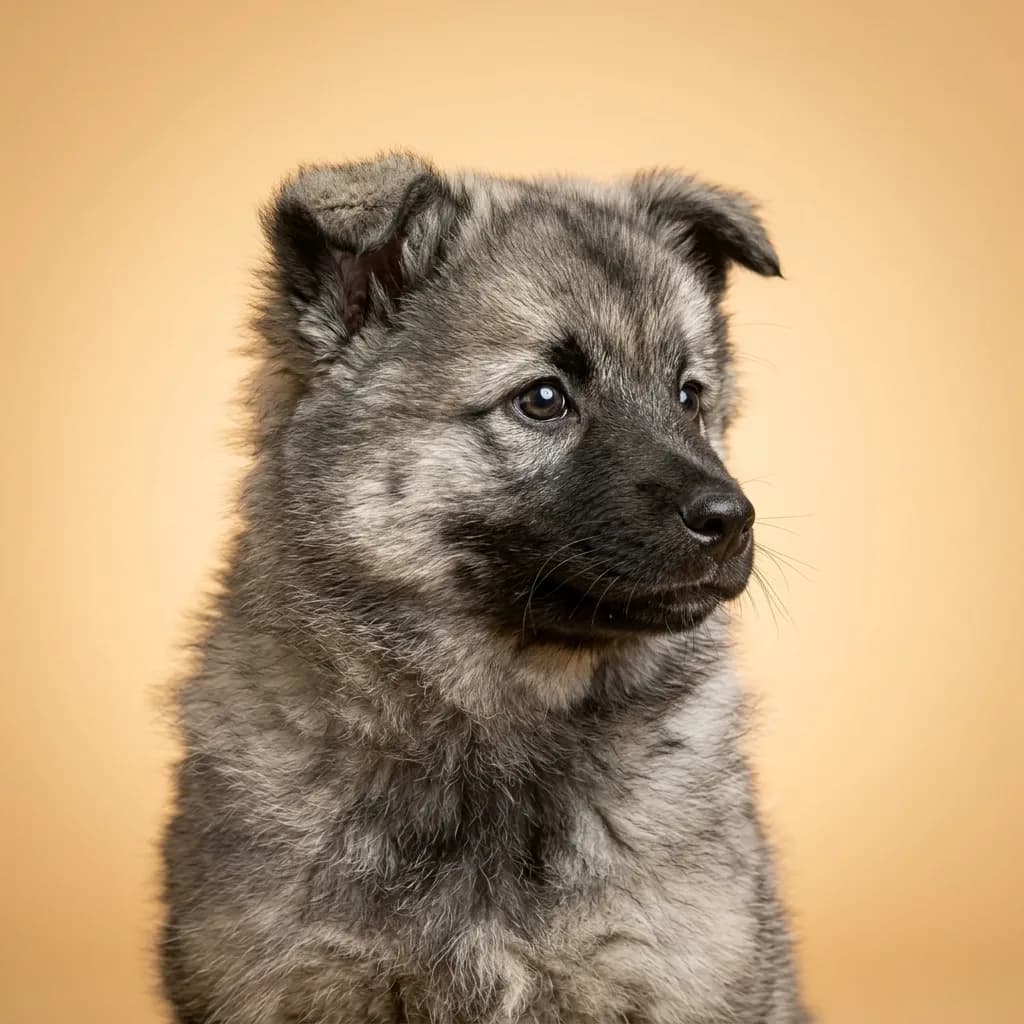
What Training a Norwegian Elkhound Is Actually Like
Training a Norwegian Elkhound feels like guiding a clever, opinionated teenager who happens to love cold weather and knows how to track a moose better than you can find your keys. They’re in Coren’s Tier 3 for intelligence, meaning they learn new commands in 15 to 25 repetitions and obey first commands about 70% of the time. That’s solid but not off-the-charts. What sets them apart is their independence. Bred to work solo in the Scandinavian wilderness, they’re wired to assess situations before complying. Don’t mistake this for stubbornness—it’s caution by design. They’re friendly and confident, not aloof, but they won’t jump just because you say so. You’ll need consistency, high-value rewards, and a sense of humor. They thrive on mental stimulation, scoring a 4 out of 5 across energy and trainability, so a bored Elkhound is a destructive one. Expect barking. A lot of it. They’re watchdogs first, diplomats never.
Training Timeline
Start training at 8 weeks. Their socialization window runs until 12 weeks, so flood them with positive exposure—people, dogs, noises, surfaces. Enroll in a puppy class by 10 weeks. By 5 months, focus on recall and name recognition; they’re curious and easily distracted. At 6 months, adolescence hits and lasts until 18 months. This is when independence spikes. Be patient. Around 11 to 13 months, you’ll hit their second fear period (weeks 44–56), so avoid forced introductions or corrections. Use treats and distance to rebuild confidence. Keep training sessions light and positive during this stretch. They reach full maturity around 14 months, but don’t expect full reliability until 18. Continue reinforcing basic obedience through this time.
Breed-Specific Challenges
First, the nose rules. As scent hounds, they’ll follow a trail and tune you out. Off-leash freedom before 18 months is risky. Second, their bark. They alert to everything—squirrels, mail carriers, falling snow—and they’re loud. You’ll need to teach a “quiet” command early and reinforce it consistently. Third, their double coat sheds heavily twice a year. While not a training issue per se, the grooming routine must be part of their training. Desensitize them to brushing by 4 months or you’ll be wrestling a 52-pound dog later. Finally, their independence means they’ll sometimes decide not to respond. They’re not defiant, just assessing. This isn’t a breed that thrives on repetitive drilling.
What Works Best
Short sessions—5 to 10 minutes, 2 to 3 times a day—work better than long drills. Their attention span is decent but not endless. Use extremely high-value treats: real meat, cheese, freeze-dried liver. Kibble won’t cut it. Incorporate scent games like hide-and-seek with treats or toys to tap into their natural drive. This satisfies their mental stimulation needs and builds focus. Use a marker word like “yes” or a clicker for precision. Avoid punishment-based methods; they’re confident but sensitive to harsh tones. End each session on a success. And always train off-leash in enclosed areas only—recall must be rock-solid before any freedom. Use a long line during adolescence to build reliability.
Crate Training Your Norwegian Elkhound
A Norwegian Elkhound needs a crate that’s big enough to stand up, turn around, and lie down comfortably, which usually means a 36-inch crate for an adult that averages 52 pounds. If you’re starting with a puppy, use a divider—this keeps the space from feeling too cavernous and helps prevent potty accidents, since they won’t want to soil their immediate sleeping area. But don’t leave them crated too long; even though they’re dependable and confident, their 4/5 energy level means they need movement and mental engagement. Puppies should be limited to one hour per month of age, max. Adult Elkhounds can handle up to six hours during the day if exercised well, but they’re not the type to sit still without consequences.
Elkhounds are friendly and smart with a 4/5 trainability rating, so they usually pick up crate training fast—especially when you use high-value treats like freeze-dried liver or cheese. Short sessions work best. Make the crate inviting with scent games: stuff a snuffle mat or scatter kibble in the bedding so they associate it with hunting and reward. These dogs are scent-motivated, so leveraging that patience-based methodology pays off.
One quirk: Elkhounds can be chewers, especially as puppies. They might mouth the crate bars or shred pad covers. Use a durable, chew-proof pad and avoid plush materials. If they bark when crated, it’s usually not separation anxiety—it’s more likely boredom or protest. They’re confident dogs, not velcro dogs, so they handle alone time better than most. Still, never use the crate as punishment. Keep it positive, keep sessions brief at first, and always pair it with physical and mental exhaustion—like a brisk walk or a scent game—before crating. That way, they’re more likely to settle fast.
Potty Training Your Norwegian Elkhound
Norwegian Elkhounds are large dogs, averaging around 52 pounds, which means they have a decent bladder capacity from a young age. That helps a bit with potty training because they can physically hold it longer than tiny breeds. Puppies still need frequent outdoor trips—every 1 to 2 hours when awake—but you can expect gradual improvement by 12 weeks. Most Elkhounds are reliably house-trained by 5 to 7 months, though occasional slip-ups can happen until they’re fully mature at around 18 months.
These dogs are ranked in Coren’s "Above Average" working dogs tier, which means they learn new commands in 15 to 25 repetitions. They’re smart and generally eager to please, but don’t mistake that for obedience on demand. Elkhounds are confident and dependable, yes, but they also have an independent streak that can slow things down if you’re not consistent. They’ll assess the situation before following a cue, so patience and structure are key.
One breed-specific challenge is their natural wariness of wet or unfamiliar terrain. If it’s raining or the grass is damp, some Elkhounds might hesitate to go outside, which can lead to accidents indoors if you’re not vigilant. Get them used to different weather conditions early, and stick to a fixed outdoor spot so they associate it with potty time.
Rewards work best when they’re timely and meaningful. These dogs respond well to praise paired with small, high-value treats—think real meat bits, not kibble. Because they’re friendly and bond closely with their people, verbal encouragement matters just as much as food. A cheerful "good job" right after they go will reinforce the behavior faster. Just don’t delay the reward. With their trainability, consistency, and your steady routine, house training an Elkhound is manageable and usually successful well before adulthood.
Leash Training Your Norwegian Elkhound
Norwegian Elkhounds are strong, independent thinkers bred to trail elk and moose through rugged Scandinavian terrain, and that history shows up every time you clip on the leash. At around 52 pounds with a 4 out of 5 energy rating, they’re not the biggest dogs but they’ve got the stamina and determination of a mountain climber. A front-clip harness is your best bet—it gives you more control without straining their neck, especially since they’ll often stop mid-stride to lock onto a scent or bolt after movement in the brush. Their prey drive isn’t as sharp as a sighthound’s, but it’s there; a squirrel darting across the path can reset their brain in seconds.
Because they were bred to work at a distance from their handler, they don’t default to checking in like a Border Collie might. That independence means loose-leash walking takes more repetition. They’re smart and trainable—ranked 4/5—but they’ll test you. Common issues include pulling forward when excited, sudden pivots toward wildlife, and that stubborn, nose-to-ground freeze when a scent trail hits. This is where the scent_patience method works best: let them sniff on cue during designated times, but keep walks structured so they learn to walk beside you the rest of the time.
Don’t expect perfect heel work unless you’re training for competition. For an Elkhound, “good” leash behavior means walking within 3–4 feet of you most of the time, responding reliably to recall after a distraction, and not lunging. Use short, consistent cues and reward impulse control heavily. Keep training sessions varied and brisk—boredom triggers pulling. Their confidence and dependability are assets, but they need a handler who’s equally steady, not reactive. Start early, stay patient, and respect their instincts without letting them run the show.
“I just wish someone would tell me what to do and when to do it.”
Not generic puppy tips. Not a video course you’ll never finish. Just one email a week telling you exactly what to work on with your Norwegian Elkhound, at the age they are right now. Nothing to sift through. Nothing to figure out. Just this week.
Get Started — It’s FreeTell us your breed and your puppy’s age. We’ll send you exactly what to work on this week.
Socializing Your Norwegian Elkhound
The socialization window for a Norwegian Elkhound runs from weeks 3 to 12, and that timeline is critical because it directly overlaps with their first fear period, which hits between weeks 8 and 11. That means the pup you bring home at 8 weeks is entering a phase where new experiences can either build confidence or create lasting hesitations. You can’t wait and hope they’ll “grow out of it.” Every interaction in those first few months matters, especially since Elkhounds were bred to work independently in harsh Nordic terrain, assessing threats and making decisions on their own.
These dogs are naturally alert and can be reserved with strangers, not because they’re aggressive but because their job was to stand their ground against large game like elk. That independence means they need more exposure to unfamiliar people, sudden movements, and loud outdoor noises—think leaf blowers, snowmobiles, or hikers with backpacks. They’re not typically dog-reactive, but their strong prey drive means early, controlled exposure to smaller animals is wise if they’ll live with cats or small pets.
Common mistakes include under-socializing to urban environments or overprotecting them during the fear period. If you pull them away every time something scares them, you’re teaching them fear is the right response. Instead, keep interactions positive and brief. Let them observe from a distance and reward calm behavior.
Skip proper socialization and you won’t get a vicious dog, but you will get one that’s overly cautious or stubborn in new situations. An under-socialized Elkhound might shut down at the vet, bark excessively at delivery people, or resist handling. Their dependable temperament depends on early, consistent exposure. Do it right and you’ve got a confident companion who’s unflappable in the woods or on city streets. Get it wrong and that independence turns into inflexibility.