Training Your Otterhound
Independent thinkers bred to work ahead of handlers. Scent hounds follow their nose; sight hounds follow movement. Requires patience and high-value rewards.
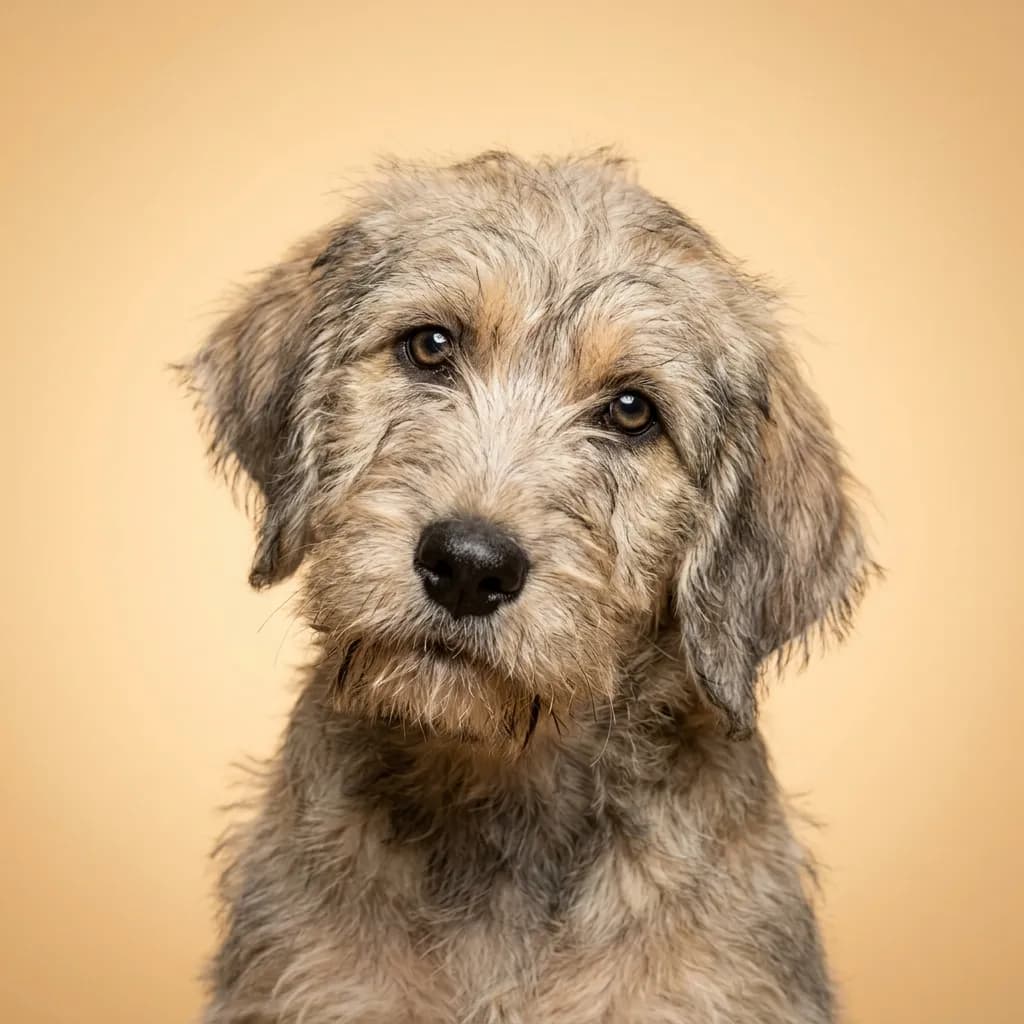
What Training a Otterhound Is Actually Like
Training an Otterhound feels like guiding a very enthusiastic, slightly soggy teenager who’s brilliant at solving problems—as long as those problems involve sniffing out a squirrel from a quarter-mile away. They're in the Average tier for intelligence per Coren’s scale, meaning they’ll pick up a new command in 25 to 40 repetitions, and they’ll only obey the first command about half the time. That’s not defiance—it’s independence. These dogs were bred to work independently along riverbanks, following a scent trail without direct input from their handler. So yes, they’re smart, but they’re also wired to prioritize nose over noise. They’re amiable and boisterous, not stubborn in the traditional sense, but they do require patience. Expect laughter, setbacks, and slow progress that suddenly, around age two, turns into competence. They’re not high-energy like a Border Collie, but they need consistent mental stimulation and scent-based outlets to stay engaged.
Training Timeline
Start training the moment you bring your puppy home at 8 weeks. The socialization window closes at 12 weeks, so prioritize positive exposure to people, surfaces, sounds, and other dogs during this period. Between weeks 3 and 12, use high-value treats like freeze-dried liver to create positive associations. Around 6 months (week 24), begin basic obedience, but keep sessions short—5 minutes max. The second fear period hits between weeks 56 and 72 (around 14–18 months), so avoid forcing new experiences. Reintroduce anything scary gently, using treats and distance. Adolescence stretches from 8 to 24 months, and this is where consistency matters most. Commands learned at 6 months might vanish at 10 months—this is normal. Continue reinforcing basics, and expect real reliability only after 20 months, when mental maturity kicks in. Full trainability won’t settle until age two.
Breed-Specific Challenges
First, recall is unreliable. Their drive to follow a scent overrides even the best training. Never trust an off-leash Otterhound in an unsecured area. Second, their independence makes them slow to respond to verbal cues. You’re not dealing with a people-pleaser; you’re working with a dog who evaluates whether your command is worth interrupting his current sniffing project. Third, they’re giant dogs with a boisterous streak—puppies can knock over toddlers or coffee tables without meaning to. Impulse control training is non-negotiable. Finally, they have a strong hound odor and drool heavily, so if you’re training indoors, plan for clean-up. Scent games are a must, but they’ll also track mud and water everywhere. You’re not just training behavior—you’re managing a large, wet, smelly force of nature.
What Works Best
Short sessions—3 to 5 minutes, two to three times a day—are ideal. Their attention span is limited, but they respond well to variety. Use extremely high-value treats; kibble won’t cut it. Think cheese, hot dogs, or commercial treats with strong aroma. Incorporate scent games early: hide treats in grass, use snuffle mats, or set up simple tracking drills. This taps into their natural drives and builds focus. Positive reinforcement is the only realistic method—punishment or compulsion backfires with independent hounds. Train in low-distraction environments first, then gradually increase difficulty. Always end on a success. And remember, progress is measured in months, not weeks. Patience isn’t just a virtue with Otterhounds, it’s the entire training philosophy.
Crate Training Your Otterhound
Otterhounds are giant dogs, averaging around 98 pounds, so you’re not squeezing a puppy into a small crate and calling it good. Start with a large enough crate—think 48 inches minimum—and use a divider if you have a puppy. But don’t plan on keeping them crated long just because they’re not hyper. Their energy is moderate, 3 out of 5, but their boisterous nature means they’ll test boundaries if bored. The divider helps during early training, but know they’ll outgrow it fast. By six months, you’ll likely need the full space.
These dogs are amiable and even-tempered, which helps with crate acceptance, but they’re not automatic chill dogs. They won’t fight the crate like a high-strung breed might, but they won’t settle immediately either. You’ve got to earn the downtime. Use their strong scent drive. Toss a treat under the crate or use a treat-dispensing puzzle toy inside to lure them in. Short sessions work best—five to ten minutes at first—paired with extremely high-value treats like freeze-dried liver or sardines.
Otterhounds have a 4 out of 5 on trainability, so they catch on fast if you’re consistent. But they’re mouthy. Expect some chewing on crate pads or fabric liners. Stick to chew-proof rubber mats and avoid anything they can shred. They’re not big barkers, but if left too long—more than 3 to 4 hours as an adult—they’ll start nosing around, digging at the floor, or whining. Crate time should match their separation tolerance, which is decent but not endless.
Use scent games as enrichment while they’re crated. Hide a treat near the door so they stay engaged without getting worked up. And never use the crate as punishment. With their amiable temperament, they’ll forgive you, but you’ll lose their trust in the process. Make it a den, not a jail.
Potty Training Your Otterhound
Otterhounds are big dogs, averaging around 98 pounds, and that size means they have a decent bladder capacity even as puppies. You won’t be dealing with the constant outdoor trips needed for tiny breeds, but don’t mistake that for faster training. Their sheer mass means slower physical development, and bladder control doesn’t fully kick in until they’re about 6 to 8 months old. Expect the full house-training process to take 5 to 7 months, sometimes longer. Patience isn’t optional here.
They’re ranked in Coren’s “Average” tier for working intelligence, needing 25 to 40 repetitions to learn a command, but they’re not untrainable. Otterhounds are amiable and even-tempered, which helps, but they’re also boisterous and independent-minded. They’ll want to please you—just not necessarily the first time you ask. Consistency is critical. If you skip a step or let them linger indoors too long, they’ll take that as permission to go inside. Their trainability score of 4/5 reflects willingness, not speed. You’ll need daily routine, scheduled feeding times, and frequent outdoor trips after meals, naps, and play.
One real challenge? Their nose. As scent hounds, they can get distracted the second they hit the yard. They’re not ignoring you on purpose—they’ve just caught wind of something far more interesting than peeing on command. Keep potty trips focused. Use a leash in the yard, stick to one spot, and keep the session brief and businesslike.
Rewards work best when they’re immediate and high-value. Think small pieces of chicken or cheese, not kibble. Praise matters, but food seals the deal. And because they’re big, you don’t need to worry about overfeeding—tiny treats won’t add weight. Just keep them coming consistently at first, then fade them as habits solidify. This breed responds to warmth and clarity, not force. Be patient, be predictable, and they’ll get there.
Leash Training Your Otterhound
Otterhounds are big, 98-pound dogs with a mind of their own, and you can’t expect perfect heel work like you’d get from a Border Collie. They were bred to follow otter trails along muddy riverbanks in England, so their first instinct on a walk is to put their nose to the ground and follow a scent. That’s not stubbornness, it’s their job. Their energy level is moderate—3 out of 5—so they’re not constantly pulling you down the street, but they will stop dead when something interesting smells up ahead. That’s the hound brain at work.
For equipment, skip the standard collar. These dogs are strong and their necks are thick, so a front-clip harness is your best bet. It gives you more control when they lock onto a scent and pivot toward it. Look for one built for large breeds, something durable like the Balance harness. You’re not trying to choke them into submission, just gently redirect their focus.
Common leash problems? Stopping to sniff, ignoring recall mid-sniff, and occasional pulling when they catch a whiff of something exciting—raccoons, ducks, maybe your neighbor’s barbecue. That prey drive is still there, even if they’re mostly amiable and boisterous at home.
Trainability is decent—4 out of 5—but patience is key. They’re not hyper obedient, but they’ll work with you if it makes sense to them. Use positive reinforcement and short sessions. Let them sniff on cue, just not the whole walk. Realistic expectations? Good leash behavior for an Otterhound means walking beside you most of the time, checking in, and responding to your cues even when a scent trail tempts them. They’ll never be off-leash in an open area, and that’s fine. A loose leash and a dog who remembers your name after a good sniff session? That’s winning.
“I just wish someone would tell me what to do and when to do it.”
Not generic puppy tips. Not a video course you’ll never finish. Just one email a week telling you exactly what to work on with your Otterhound, at the age they are right now. Nothing to sift through. Nothing to figure out. Just this week.
Get Started — It’s FreeTell us your breed and your puppy’s age. We’ll send you exactly what to work on this week.
Socializing Your Otterhound
Otterhounds are big, boisterous dogs with a lot of personality, and their socialization window—weeks 3 to 12—overlaps directly with their first fear period at weeks 8 to 11. That means the pup you bring home at 8 weeks is already entering a phase where new things can make a lasting impression, good or bad. You can’t wait to start socializing them, but you also have to be smart about it. During those weeks, you need controlled, positive exposures—not overwhelming situations. A scary experience at 10 weeks can stick with them well into adulthood.
Because they were bred to work independently along rugged riverbanks, Otterhounds have a natural wariness of unfamiliar sights and sounds, especially sudden movements near water or loud mechanical noises like lawn mowers or trucks. They also tend to be suspicious of strangers, not because they’re aggressive, but because they’re thoughtful and observant. You need to expose them early and often to a wide variety of people, including men with deep voices or hats, children who move unpredictably, and other dogs, especially smaller ones—they’re big at 98 pounds on average and can knock a small dog over without meaning to.
Common mistakes include assuming their amiable nature means they don’t need structured socialization, or waiting until they’re fully vaccinated to start. That delay misses the critical window. You also can’t just rely on your backyard or the same few dog parks. Otterhounds need novelty—different surfaces, traffic sounds, urban environments, even mild water exposure, since their heritage ties them to rivers.
Skip proper socialization and you’ll likely end up with a 20-month-old giant who freezes or barks at anything new, even if he’s otherwise sweet. Their even-tempered nature helps, but it won’t override poor early experiences. A well-socialized Otterhound is a confident, adaptable companion. One that isn’t? He’ll be a loving but anxious giant who’s hard to manage in everyday life.