Training Your Pharaoh Hound
Independent thinkers bred to work ahead of handlers. Scent hounds follow their nose; sight hounds follow movement. Requires patience and high-value rewards.
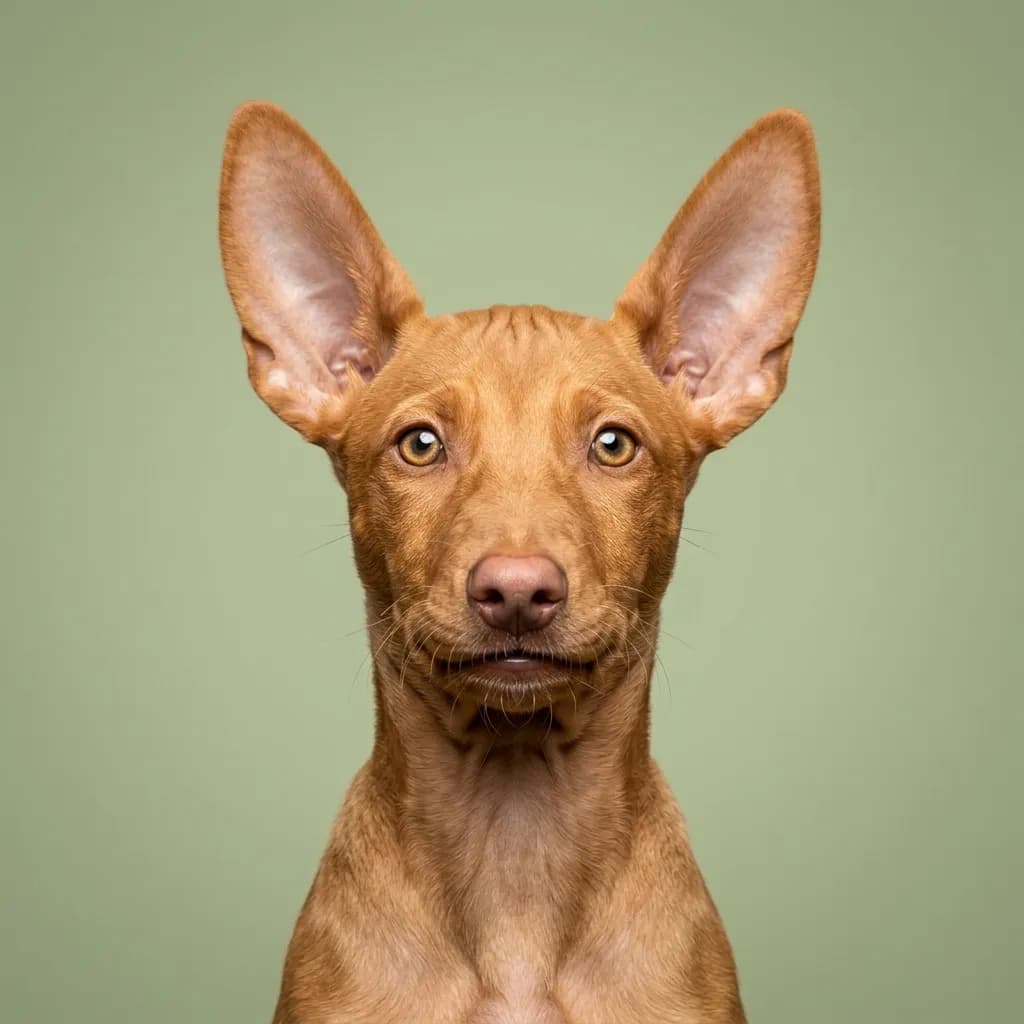
What Training a Pharaoh Hound Is Actually Like
Training a Pharaoh Hound is like working with a very bright, highly athletic teenager who’s easily distracted by the world. They’re smart—ranked in Coren’s Above Average tier—so they learn new commands in 15 to 25 repetitions, and they’ll obey the first command about 70% of the time. That sounds solid until you realize their focus is conditional. Bred to hunt rabbits in the rocky Maltese terrain, they’re independent thinkers who were never meant to stay glued to a handler. They’ll follow a scent or movement long after you’ve called their name. This isn’t defiance; it’s instinct. They’re friendly and eager to please in the right context, but they need high-value motivation and a training approach that respects their sighthound heritage. Expect progress to be fast in puppyhood, stall during adolescence, then pick back up around 9 months when mental maturity starts to click in.
Training Timeline
Start at 8 weeks with socialization—this window closes at 12 weeks, so expose them to varied people, surfaces, sounds, and other dogs. Use high-value treats like freeze-dried liver to create positive associations. By 16 weeks, they should have basic recall, sit, and stay on a leash in low-distraction areas. The second fear period hits around weeks 32 to 40—don’t force new experiences. Keep training gentle and confidence-building. Adolescence runs from 5 to 14 months, and during this stretch, expect selective hearing and a spike in chasing behaviors. Shorten sessions, double down on rewards, and avoid off-leash situations in unsecured areas. Around 9 months, their trainability improves noticeably. This is when you can start shaping advanced skills and introduce scent games or lure coursing to meet their mental stimulation needs.
Breed-Specific Challenges
First, recall reliability is a real issue. Even well-trained Pharaoh Hounds may not come when called if they catch a scent or see movement. They’re not stubborn; their prey drive is just that strong. Second, they’re not naturally attuned to handler cues like herding breeds. You can’t just glance at them and expect understanding—they need consistent, repetitive training to build that connection. Third, they’re sensitive to correction. Harsh tones or physical corrections shut them down fast. Positive reinforcement is non-negotiable. Fourth, they’re escape artists. They’ll jump, dig, or squeeze through gaps if bored or stimulated, especially during adolescence. Secure fencing is essential.
What Works Best
Keep sessions short—5 to 10 minutes max—and train multiple times a day. Their energy and mental stimulation needs are high, so burn both through structured play and training. Use extremely high-value food rewards; kibble won’t cut it. Think meat-based treats or small pieces of cooked chicken. Incorporate scent games early, like hiding treats under cups or in grass, to engage their natural instincts in a controlled way. Leash training should start early and include distraction-proofing in gradually more stimulating environments. Off-leash freedom should only happen in fully enclosed spaces. Their trainability score of 4 out of 5 means they can learn, but you’ve got to make it worth their while and work with their independence, not against it.
Crate Training Your Pharaoh Hound
A Pharaoh Hound needs a 36-inch crate as an adult, but if you’re starting with a puppy, go with a 42-inch crate and use a divider. These dogs hit around 45 to 50 pounds but have long legs and deep chests, so they need the extra length. The divider helps prevent them from soiling their sleeping area while they’re small, but plan to adjust it every few weeks as they grow—they’re fast developers between 3 and 9 months.
Pharaoh Hounds are smart and noble, not stubborn, but they’re not instantly accepting of confinement. Their 4/5 energy means they won’t settle right after play; you’ve got to tire them first with a sniff-based game, like hiding treats in the yard. Crating them mid-day without a wind-down leads to pacing and soft barking. They don’t protest loudly like some breeds, but they’ll whine with purpose if they’re not mentally drained.
Don’t crate them longer than 4 hours at a time past 6 months. Their separation tolerance is moderate—they’re friendly and want to be near people, not shut away. Leave them too long and they’ll start chewing the crate pad or digging at the fabric liner. Yes, they do this. It’s not anxiety-driven so much as boredom-driven, and it’s common.
Use short sessions—5 to 7 minutes max at first—with high-value treats like freeze-dried liver or cheese. Pair crate entry with a scent game: let them sniff out a treat inside the crate, then close the door while they’re engaged. Build duration slowly. Never use the crate as timeout—it clashes with their noble temperament. They’ll cooperate if it feels like a game, not a punishment. And skip plastic crates; they’ll chew through the edges. Go metal, with a fabric cover to make it den-like. Add a worn t-shirt with your scent early on—this breed bonds quietly but deeply, and that small comfort speeds things up.
Potty Training Your Pharaoh Hound
Pharaoh Hounds are smart, independent dogs who learn fast—usually in 15 to 25 repetitions—but don’t mistake their intelligence for instant obedience. At around 50 pounds, they have a decent bladder capacity for a medium breed, which helps, but their noble, aloof streak means they won’t rush just because you want them to. Potty training a Pharaoh Hound is doable in 8 to 12 weeks with consistency, but don’t expect perfection before the 10-week mark. Their size means fewer accidents due to tiny bladders, unlike smaller breeds, but they’re still puppies and need frequent outdoor trips—every 2 to 3 hours during the day, plus after meals and naps.
Their trainability score of 4/5 reflects their above-average learning ability, but they’re not eager-to-please like a Labrador. They’ll cooperate if they see the point. That means your timing, routine, and rewards have to make sense to them. If they’re distracted or the weather’s off, they might dawdle outside, so keep potty trips focused and brief. Don’t let them wander the yard sniffing for 20 minutes—this breed thrives on structure.
One challenge is their strong prey drive and scent interest. Take them out on a short leash to a designated spot every time so they don’t get sidetracked by a lizard or bird mid-training. Indoors, they’re less likely to sneak off to quiet corners to pee (a problem in some small or anxious breeds), but if you’re inconsistent with timing, they’ll take the opportunity.
Rewards work best when they’re immediate and high-value—small pieces of chicken or cheese, not just praise. A quick treat the second they finish outside reinforces the behavior fast. Once they get it, they’ll lock it in. Just don’t get lazy with the routine after a few accident-free days. Pharaoh Hounds are smart enough to exploit gaps.
Leash Training Your Pharaoh Hound
Leash training a Pharaoh Hound means working with a dog who was built to sprint across rocky Maltese hillsides chasing rabbits, not stroll politely past coffee shops. They’re medium-sized at around 50 pounds, strong through the chest, and wired for speed, so your gear matters. Skip the flat collar—go straight to a well-fitted front-clip harness like the Balance or 2 Hounds. It gives you more control without risking tracheal damage when they lunge after a squirrel, which they absolutely will. These dogs are sighthounds with scent hound tendencies, so their brain splits focus between what they see and what they smell. That means sudden stops to investigate a trail or explosive bursts of speed when something catches their eye.
Their trainability is solid—4 out of 5—but their independence means they’ll test you. They’re not stubborn like a bulldog; they’re calculating. If the breeze carries a rabbit’s scent, they’ll look at you like, “You really expecting me to ignore that?” Common leash issues include pulling when excited, lagging when sniffing, and selective hearing mid-chase. You won’t get perfect heel work like a Border Collie, and that’s fine. Realistic success with a Pharaoh Hound is loose-leash walking punctuated by brief, controlled sniff breaks and recall responses 80% of the time with positive reinforcement. They’re smart and eager to please in their noble, aloof way, but they need engagement. Use high-value treats and turn walks into scent games. Let them investigate sometimes—that’s their job. Train early and keep it fun. They respond best to calm consistency, not force. A tired Pharaoh is a polite Pharaoh, so burn off that 4/5 energy with off-leash sprints in secure areas first, then expect better focus on leash.
“I just wish someone would tell me what to do and when to do it.”
Not generic puppy tips. Not a video course you’ll never finish. Just one email a week telling you exactly what to work on with your Pharaoh Hound, at the age they are right now. Nothing to sift through. Nothing to figure out. Just this week.
Get Started — It’s FreeTell us your breed and your puppy’s age. We’ll send you exactly what to work on this week.
Socializing Your Pharaoh Hound
Pharaoh Hounds are bright, sensitive dogs whose socialization window—weeks 3 to 12—overlaps critically with their first fear period, which hits between weeks 8 and 11. That means the pup you bring home at 8 weeks is entering the most impressionable phase of his life, where negative experiences can stick. You’ve got a narrow window to flood them with positive, calm exposure, not overwhelming them. These aren’t reactive dogs by nature, but they’re observant and can shut down if pushed too hard during that fear phase.
Because they were bred to hunt rabbits in open, rugged terrain in Malta, Pharaoh Hounds are wired to be independent and alert to movement. That means they need extra exposure to sudden noises, fast motions, and unfamiliar environments—like kids running, bikes zipping by, or squirrels darting. Without it, they’ll default to suspicion or chase instinct. They’re not naturally aggressive, but they can become aloof or single-minded if not taught early that novelty isn’t a threat.
They tend to be wary of strangers and new situations, not out of hostility but caution. That noble demeanor? It’s real. But it can tip into standoffishness without consistent, gentle socialization. Let them observe first, then reward curiosity. Don’t force greetings.
A common mistake is assuming their calm indoor behavior means they’re “fine.” Just because your Pharaoh Hound lounges at home doesn’t mean he’s confident outside. People skip structured socialization because the breed is generally friendly, but that friendliness is fragile without early work. Another error is using high-pressure exposure during the fear period—flooding them with people or noise can backfire fast.
Skip proper socialization and you’ll end up with a dog who’s either overly cautious or, worse, one who ignores you the moment something moves. Their intelligence and independence mean they’ll make their own decisions if not taught otherwise. A well-socialized Pharaoh Hound is a joy—engaged, adaptable, and warmly confident. Do it wrong, and you’ve got a 50-pound nobleman who won’t come when called because he’s too busy being suspicious of the mail truck.